THE ADVENTURE COLLECTIVE® · Independent discovery and booking for outdoor travel

Spend a day between Quito’s highland cloud forest and its colonial heart: feed hummingbirds at close range, stand at the equator experiments, and climb La Basílica’s towers for sweeping views of the Old Town. This private, guided route packs natural and cultural highlights into one memorable day.
Spend a day between Quito’s highland cloud forest and its colonial heart: feed hummingbirds at close range, stand at the equator experiments, and climb La Basílica’s towers for sweeping views of the Old Town. This private, guided route packs natural and cultural highlights into one memorable day.
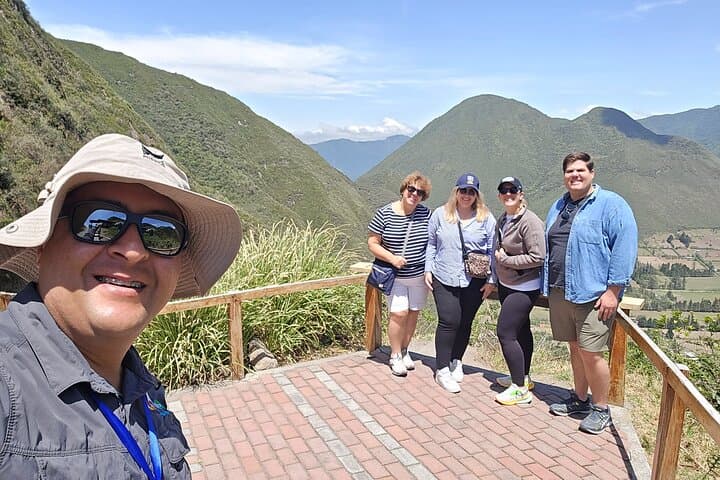
A mist-softened morning lifts off Quito’s high terraces as a small private van threads northwest toward Pululahua’s volcanic rim. The crater opens like a green bowl below, its steep sides hosting farms, bromeliads and orchids; later, in a cloud forest preserve, hummingbirds dart so close they become a blur of metallic wings around hand-held feeders. By afternoon the tour drops back to the city: the equator exhibits at Intiñan prove the line’s quirky physics, then Gothic spires of La Basílica slice the skyline over Plaza Grande.
Verified experiences and guided adventures in the surrounding area.
Operated by Ecuador a Color tour operator · Quito, Pichincha
A mist-softened morning lifts off Quito’s high terraces as a small private van threads northwest toward Pululahua’s volcanic rim. The crater opens like a green bowl below, its steep sides hosting farms, bromeliads and orchids; later, in a cloud forest preserve, hummingbirds dart so close they become a blur of metallic wings around hand-held feeders. By afternoon the tour drops back to the city: the equator exhibits at Intiñan prove the line’s quirky physics, then Gothic spires of La Basílica slice the skyline over Plaza Grande.
Geology and history show in quick succession: Pichincha’s volcanic activity carved the surrounding basins, and Pululahua is one of the world’s few inhabited calderas. Quito’s Old Town preserves colonial-era plazas, stone churches, and baroque carved altars—centuries of Spanish and indigenous encounters are visible in architecture and street life. The Intiñan site and nearby Mitad del Mundo explore the cultural significance of the equator for indigenous and modern Ecuadorians.
Practical guidance: the day is long—expect about nine hours with multiple short walks and some steps to viewpoints. Pack layers for rapid temperature changes, a waterproof shell for cloud forest mist, and binoculars or a telephoto lens for birds. Bring small cash for lunch and museum entry where noted; the tour provides certified local guide service and air-conditioned transport. Accessibility is generally good for those with limited mobility, but some viewpoints have uneven surfaces. Start early to maximize light for photography and bird activity.
easy.
9 hours.
Suitable for most fitness levels; involves short walks, steps at viewpoints and standing for birdwatching.
Most private tours include pickup from central Quito locations; confirm your pickup point when booking and allow time for traffic.
Yes—at designated feeder stations guides will instruct you; maintain calm movements and follow staff directions for safe interactions.
Parts of the historic center and some museum areas are accessible, but tower climbs and certain viewpoints have stairs—check with the operator for detailed access needs.
Quito sits near 2,850 m (9,350 ft); light shortness of breath is possible for some—dress in layers and stay hydrated.
Quito’s historic center dates to Spanish colonial foundations layered atop indigenous settlements; La Basílica’s towers were completed in the 20th century and offer the city’s best Old Town panorama.
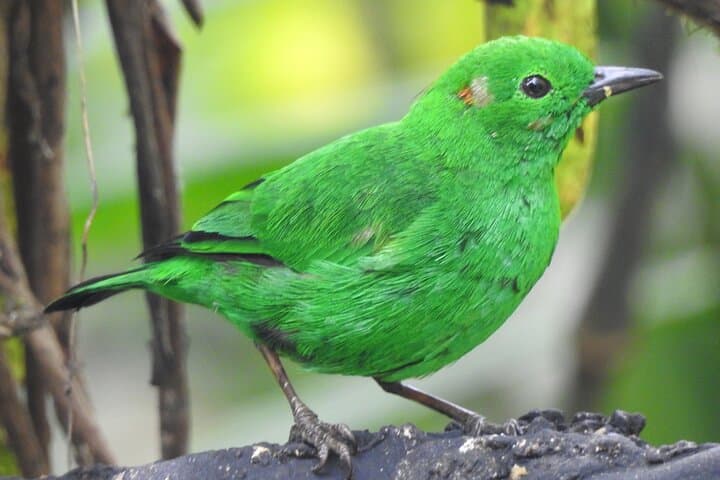
Cloud-forest habitats are sensitive to disturbance—stay on marked paths, avoid feeding wildlife outside managed feeders, and support local reserves through entrance fees.
Ecuador a Color tour operator operates guided outdoor trips and adventures with an emphasis on safety, stewardship, and memorable experiences.
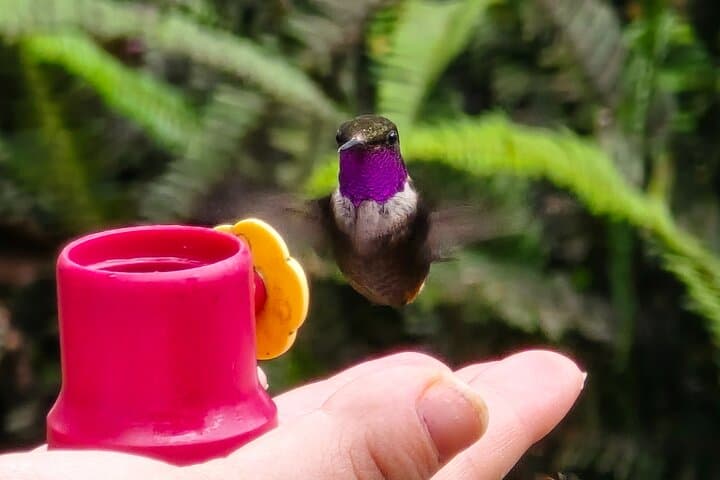
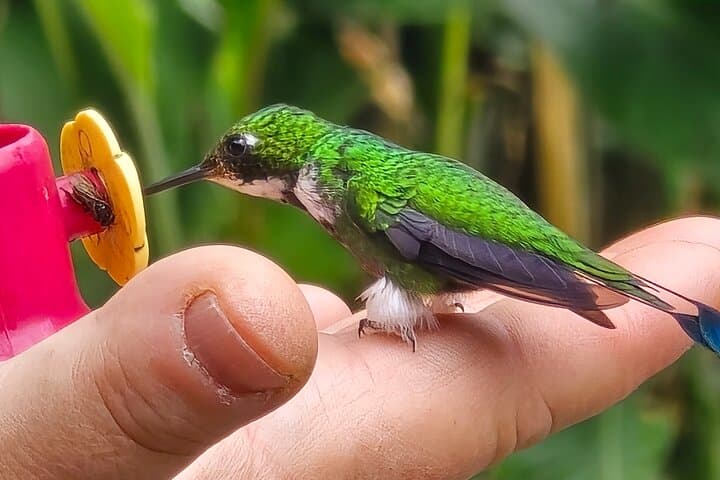
A mist-softened morning lifts off Quito’s high terraces as a small private van threads northwest toward Pululahua’s volcanic rim. The crater opens like a green bowl below, its steep sides hosting farms, bromeliads and orchids; later, in a cloud forest preserve, hummingbirds dart so close they become a blur of metallic wings around hand-held feeders. By afternoon the tour drops back to the city: the equator exhibits at Intiñan prove the line’s quirky physics, then Gothic spires of La Basílica slice the skyline over Plaza Grande.
A mist-softened morning lifts off Quito’s high terraces as a small private van threads northwest toward Pululahua’s volcanic rim. The crater opens like a green bowl below, its steep sides hosting farms, bromeliads and orchids; later, in a cloud forest preserve, hummingbirds dart so close they become a blur of metallic wings around hand-held feeders. By afternoon the tour drops back to the city: the equator exhibits at Intiñan prove the line’s quirky physics, then Gothic spires of La Basílica slice the skyline over Plaza Grande.
Geology and history show in quick succession: Pichincha’s volcanic activity carved the surrounding basins, and Pululahua is one of the world’s few inhabited calderas. Quito’s Old Town preserves colonial-era plazas, stone churches, and baroque carved altars—centuries of Spanish and indigenous encounters are visible in architecture and street life. The Intiñan site and nearby Mitad del Mundo explore the cultural significance of the equator for indigenous and modern Ecuadorians.
Practical guidance: the day is long—expect about nine hours with multiple short walks and some steps to viewpoints. Pack layers for rapid temperature changes, a waterproof shell for cloud forest mist, and binoculars or a telephoto lens for birds. Bring small cash for lunch and museum entry where noted; the tour provides certified local guide service and air-conditioned transport. Accessibility is generally good for those with limited mobility, but some viewpoints have uneven surfaces. Start early to maximize light for photography and bird activity.