THE ADVENTURE COLLECTIVE® · Independent discovery and booking for outdoor travel

Ride the TelefériQo to Cruz Loma for sweeping highland views, then walk Quito’s UNESCO-listed old town with a private guide. Expect quick elevation gain, variable mountain weather, and immersive colonial history.
Ride the TelefériQo to Cruz Loma for sweeping highland views, then walk Quito’s UNESCO-listed old town with a private guide. Expect quick elevation gain, variable mountain weather, and immersive colonial history.
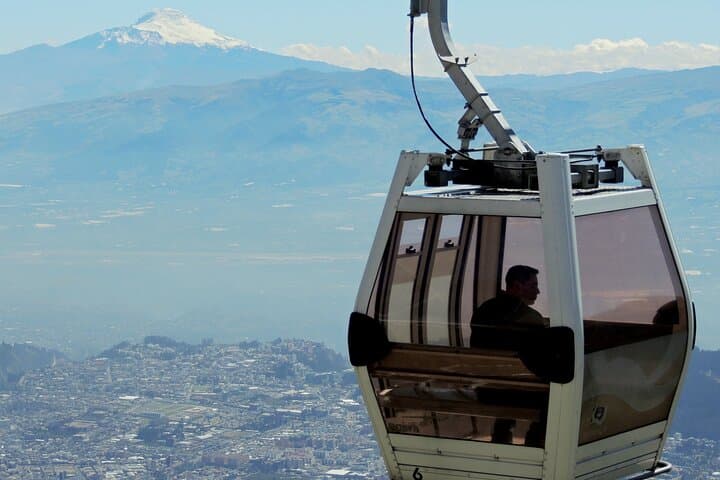
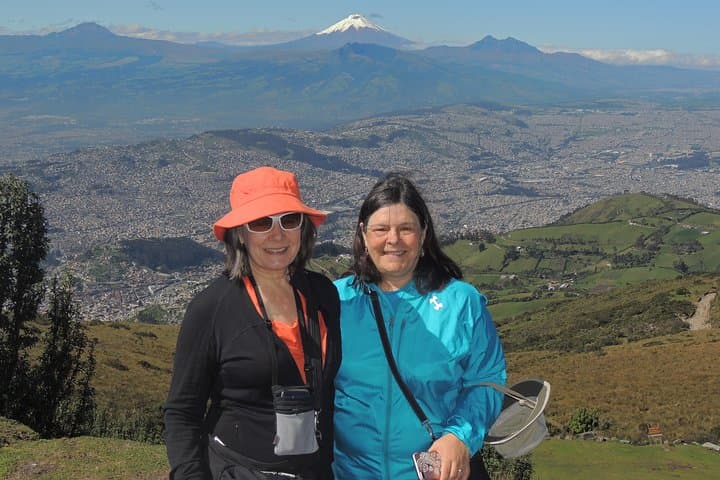
You step from the cable car into thin air—Cruz Loma's wind pulling at your jacket as Quito sprawls below like a living map.
Verified experiences and guided adventures in the surrounding area.
Operated by Ecuador Best Tours · Quito, Pichincha
You step from the cable car into thin air—Cruz Loma's wind pulling at your jacket as Quito sprawls below like a living map.
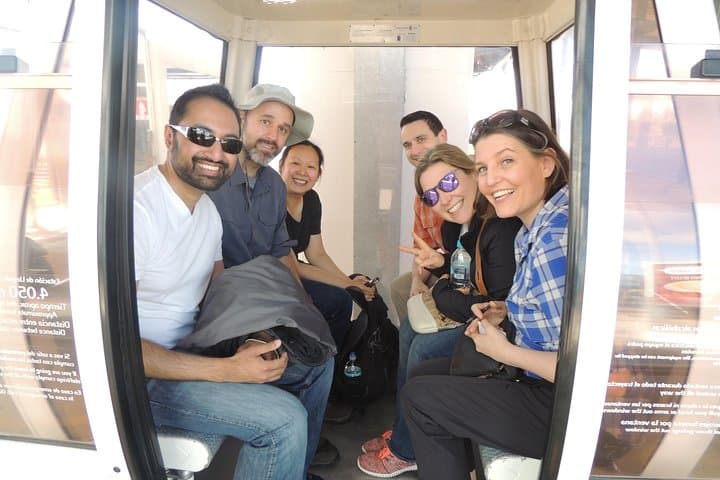
The TelefériQo rises fast from about 3,045 m to 4,100 m, delivering panoramic windows onto the city and, on clear days, the white crowns of Cotopaxi, Antisana and Cayambe daring you to look farther. The ascent feels like a short flight into highland weather; sunlight one minute, brisk mountain air the next.
Geology here is active: Pichincha is part of the Western Cordillera, forged by the Andes’ uplift and volcanic activity. Quito itself is layered history—an indigenous settlement transformed under Spanish colonial rule into a compact urban center that UNESCO protected in 1978. Walking the old town moves you through narrow streets, independence plazas, baroque churches and the crafts of La Ronda.
Practically, expect a mix of easy cable-car access and walking on cobbled streets. Altitude is the main variable—breathing is shallower at 4,100 m and even a short uphill feels firmer. Guides typically include hotel pickup and flexible pacing, so bring a hat, sunscreen and warm layers for the sudden wind at the summit.
Plan for a 5–6 hour window to include transit, summit time and a relaxed walking tour. Photography opportunities are frequent; if clouds close in the view changes fast, so be ready. This outing suits travelers who want a quick vertical lift for highland views followed by an accessible cultural stroll through one of South America’s best-preserved colonial cores.
moderate.
5–6 hours.
Light-to-moderate fitness; walking on cobbles and brief uphill sections plus coping with high altitude.
The TelefériQo climbs from about 3,045 m to the Cruz Loma viewpoint at roughly 4,100 m above sea level.
Yes; the tour listing notes wheelchair accessibility and availability of infant seats, but check specifics with the operator for individual needs.
On clear days you can see Quito below and the snow-capped peaks Cotopaxi, Antisana and Cayambe; visibility depends on weather and cloud cover.
Expect a moderate walking tour on mostly flat but cobbled streets with short visits to plazas and churches; it’s paced for private groups and can be adjusted for comfort.
Quito’s historic center was declared a UNESCO World Cultural Heritage Site in 1978 for its remarkable colonial architecture and urban layout.
Trails and viewpoints are sensitive to litter and erosion—pack out waste and stay on designated paths to protect fragile highland vegetation.
Ecuador Best Tours operates guided outdoor trips and adventures with an emphasis on safety, stewardship, and memorable experiences.
You step from the cable car into thin air—Cruz Loma's wind pulling at your jacket as Quito sprawls below like a living map.
You step from the cable car into thin air—Cruz Loma's wind pulling at your jacket as Quito sprawls below like a living map.
The TelefériQo rises fast from about 3,045 m to 4,100 m, delivering panoramic windows onto the city and, on clear days, the white crowns of Cotopaxi, Antisana and Cayambe daring you to look farther. The ascent feels like a short flight into highland weather; sunlight one minute, brisk mountain air the next.
Geology here is active: Pichincha is part of the Western Cordillera, forged by the Andes’ uplift and volcanic activity. Quito itself is layered history—an indigenous settlement transformed under Spanish colonial rule into a compact urban center that UNESCO protected in 1978. Walking the old town moves you through narrow streets, independence plazas, baroque churches and the crafts of La Ronda.
Practically, expect a mix of easy cable-car access and walking on cobbled streets. Altitude is the main variable—breathing is shallower at 4,100 m and even a short uphill feels firmer. Guides typically include hotel pickup and flexible pacing, so bring a hat, sunscreen and warm layers for the sudden wind at the summit.
Plan for a 5–6 hour window to include transit, summit time and a relaxed walking tour. Photography opportunities are frequent; if clouds close in the view changes fast, so be ready. This outing suits travelers who want a quick vertical lift for highland views followed by an accessible cultural stroll through one of South America’s best-preserved colonial cores.