THE ADVENTURE COLLECTIVE® · Independent discovery and booking for outdoor travel

Spend a relaxed day inland exploring Goa’s cultural core: marble temples, a Portuguese-era mansion, Ancestral Goa’s life‑size dioramas, and a fragrant spice plantation with lunch. This guided tour pairs cultural context with hands-on spice tasting and easy walking.
Spend a relaxed day inland exploring Goa’s cultural core: marble temples, a Portuguese-era mansion, Ancestral Goa’s life‑size dioramas, and a fragrant spice plantation with lunch. This guided tour pairs cultural context with hands-on spice tasting and easy walking.
You step off an air-conditioned coach into a village where laterite walls catch the light and coconut palms lean over a slow stream. The guide’s voice threads history through the morning — Portuguese tiles, maratha-era temple rebuilds, and everyday household rituals — while the scent of cloves and black pepper tempts you toward the plantation.
Verified experiences and guided adventures in the surrounding area.
Operated by Goa Kayaking · Ponda, Goa
You step off an air-conditioned coach into a village where laterite walls catch the light and coconut palms lean over a slow stream. The guide’s voice threads history through the morning — Portuguese tiles, maratha-era temple rebuilds, and everyday household rituals — while the scent of cloves and black pepper tempts you toward the plantation.
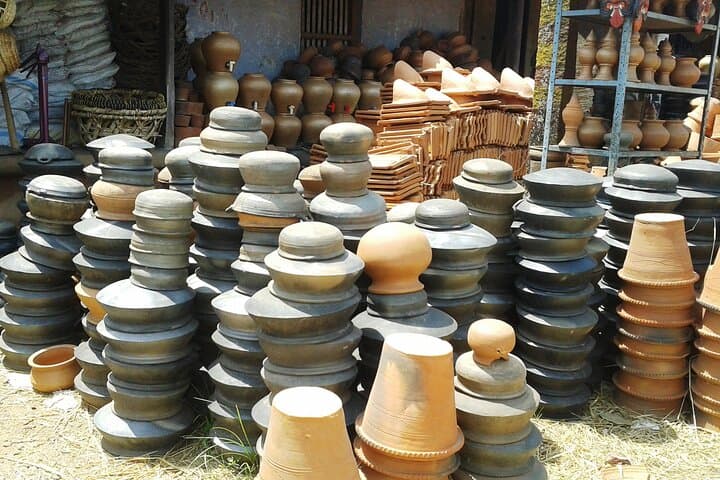
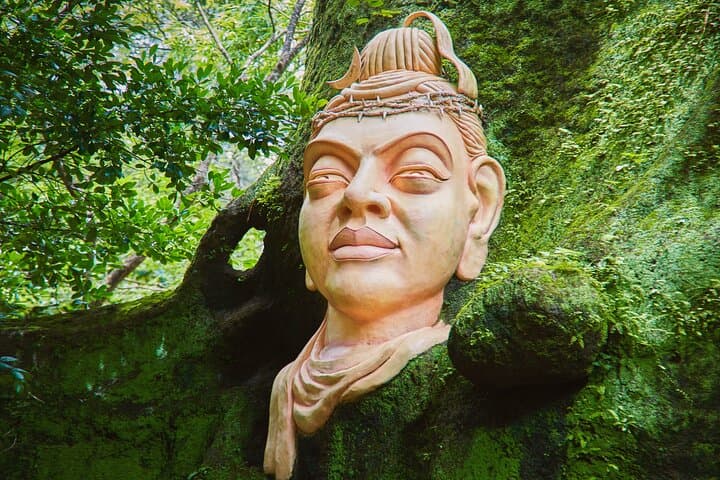
The day moves at a steady, relaxed pace: a white-marble Radha‑Krishna shrine, a preserved Portuguese-era mansion that reads like an old photograph, and the staged village scenes of Ancestral Goa where life-size tableaux recreate weddings, pottery work, and market cries. At the spice estate, a local host shows how cardamom, cinnamon, and kokum grow — you taste raw spices and learn their role in Goan cuisine. Lunch arrives simple and home-style: Goan curry notes balanced by tart kokum, eaten in the shade beside the stream.
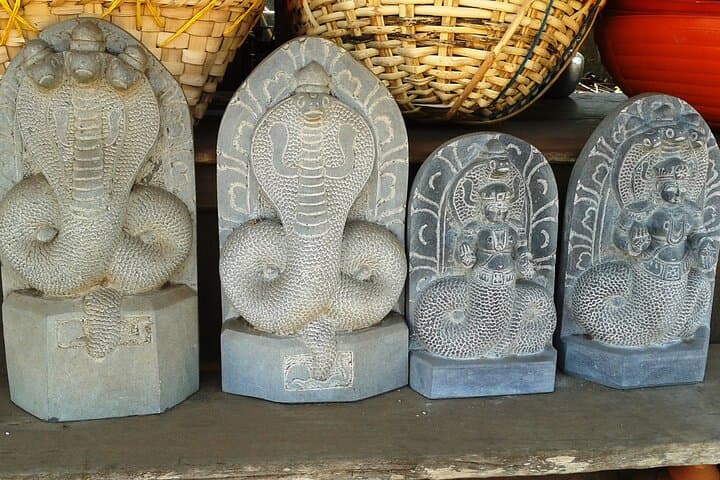
Culturally, the tour highlights Goa’s layered past: colonial architecture, temples rebuilt under Maratha patronage, and living Hindu traditions that still require modest dress and barefoot entry. Geologically, the laterite stone ubiquitous here explains the reddish architecture and easy carving.
Practical notes: expect multiple short walks, remove footwear at temples, and carry sun protection and a refillable bottle. The tour is low-impact but be mindful of waste at the plantation and observe temple decorum. For travelers who want a compact, informative introduction to inland Goa, this full-day outing packs history, food, and nature into one accessible circuit.
easy.
6–7 hours.
Suitable for most fitness levels; involves short walks and standing up to 2 hours total.
The meeting point is listed near Airport Road/Chicalim or at designated coach pickup locations; the tour returns to the same drop‑off point.
Admissions for listed sites such as Ancestral Goa and the spice plantation are included when specified; follow the guide’s directions for any optional purchases.
Lunch is an Indo‑Goan meal that typically includes vegetarian options; notify the operator at booking about dietary restrictions or allergies.
Yes — the tour is relaxed with short walks and coach transfers; note the barefoot requirement and some steps at temples.
Goa’s inland architecture shows Portuguese aesthetics adapted to local laterite stone; several temples were rebuilt under Maratha patronage after earlier destructions.
Spice estates here practice small‑scale cultivation; visitors are encouraged to avoid single‑use plastics, stay on paths, and support local producers by buying sustainably sourced spices.
Goa Kayaking operates guided outdoor trips and adventures with an emphasis on safety, stewardship, and memorable experiences.
You step off an air-conditioned coach into a village where laterite walls catch the light and coconut palms lean over a slow stream. The guide’s voice threads history through the morning — Portuguese tiles, maratha-era temple rebuilds, and everyday household rituals — while the scent of cloves and black pepper tempts you toward the plantation.
You step off an air-conditioned coach into a village where laterite walls catch the light and coconut palms lean over a slow stream. The guide’s voice threads history through the morning — Portuguese tiles, maratha-era temple rebuilds, and everyday household rituals — while the scent of cloves and black pepper tempts you toward the plantation.
The day moves at a steady, relaxed pace: a white-marble Radha‑Krishna shrine, a preserved Portuguese-era mansion that reads like an old photograph, and the staged village scenes of Ancestral Goa where life-size tableaux recreate weddings, pottery work, and market cries. At the spice estate, a local host shows how cardamom, cinnamon, and kokum grow — you taste raw spices and learn their role in Goan cuisine. Lunch arrives simple and home-style: Goan curry notes balanced by tart kokum, eaten in the shade beside the stream.
Culturally, the tour highlights Goa’s layered past: colonial architecture, temples rebuilt under Maratha patronage, and living Hindu traditions that still require modest dress and barefoot entry. Geologically, the laterite stone ubiquitous here explains the reddish architecture and easy carving.
Practical notes: expect multiple short walks, remove footwear at temples, and carry sun protection and a refillable bottle. The tour is low-impact but be mindful of waste at the plantation and observe temple decorum. For travelers who want a compact, informative introduction to inland Goa, this full-day outing packs history, food, and nature into one accessible circuit.