THE ADVENTURE COLLECTIVE® · Independent discovery and booking for outdoor travel

Spend four immersive hours at Quinta de Louredo learning traditional Portuguese cooking, touring the family farm, and sharing a home-cooked lunch. Expect hands-on harvesting, tastings of estate olive oil and wine, and a three-course meal centered on regional flavors.
Spend four immersive hours at Quinta de Louredo learning traditional Portuguese cooking, touring the family farm, and sharing a home-cooked lunch. Expect hands-on harvesting, tastings of estate olive oil and wine, and a three-course meal centered on regional flavors.
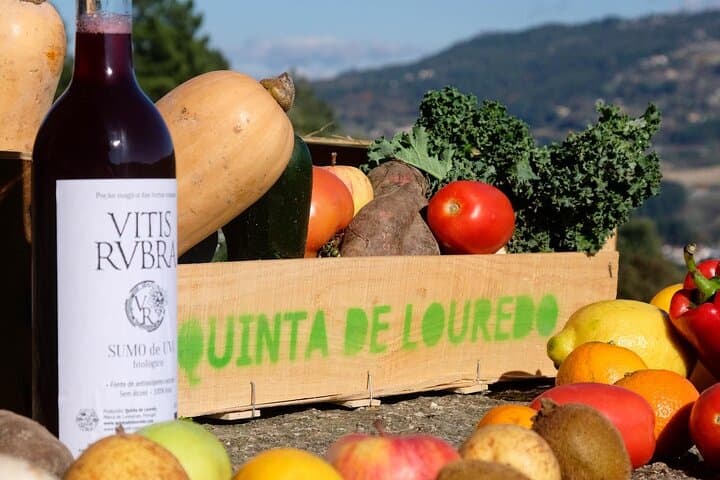
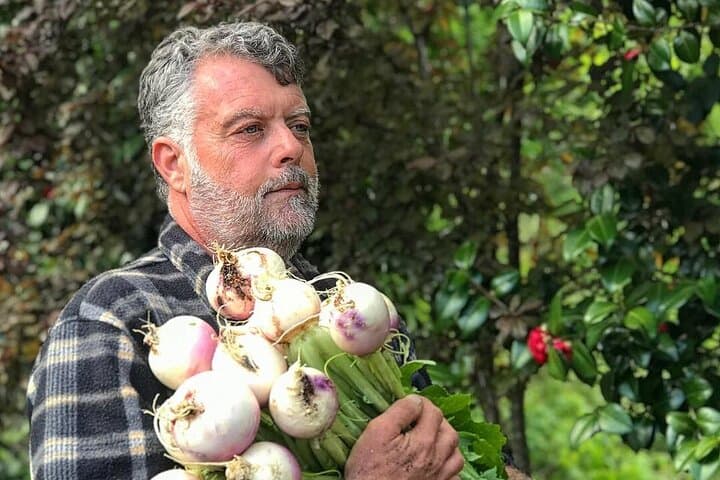
You arrive on a sun-warmed lane, vines climbing steep schist terraces that seem to lean toward the Douro River. The air here carries the sharp green scent of olive leaves and the soft yeast of rising bread; chickens punctuate the quiet with expectant clucks. At Quinta de Louredo, Fabio and his family invite you into the rhythm of the farm—picking tomatoes, tasting a buttery estate olive oil, then moving inside to a kitchen alive with the hiss of olive oil and the steady rhythm of shared tasks.
Verified experiences and guided adventures in the surrounding area.
Operated by Quinta de Louredo · Peso da Régua, Vila Real District
You arrive on a sun-warmed lane, vines climbing steep schist terraces that seem to lean toward the Douro River. The air here carries the sharp green scent of olive leaves and the soft yeast of rising bread; chickens punctuate the quiet with expectant clucks. At Quinta de Louredo, Fabio and his family invite you into the rhythm of the farm—picking tomatoes, tasting a buttery estate olive oil, then moving inside to a kitchen alive with the hiss of olive oil and the steady rhythm of shared tasks.
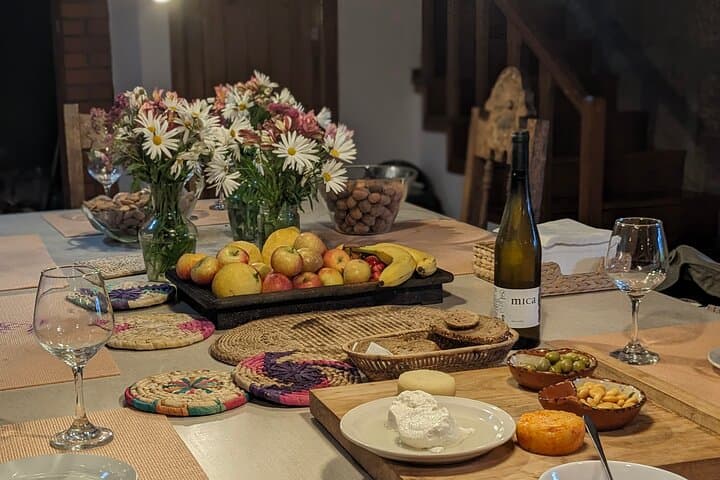
The Douro’s geology—layered schist carved by the river—has shaped local viticulture for centuries and given this valley its dramatic slopes and microclimates. Wine culture and family agriculture are inseparable here: terraced vineyards and small quintas tell stories of generational labor and regional recipes passed down through hearth-side tables. The cooking class centers on classic Portuguese dishes: a bright tomato soup, bacalhau prepared in a traditional way, and a creamy dessert, paired with the farm’s green wine and breads.
Practically, expect four hours that alternate between short walks around the property and hands-on time in a generously sized kitchen. The experience is family-friendly—children help pick herbs and meet the animals. Wear closed-toe shoes for uneven paths, bring a light layer for river breezes, and flag dietary restrictions when booking. The pace is unhurried but structured: tasting, harvesting, cooking, then a communal meal where strangers often leave as tablemates. It’s an accessible, sensory way to understand Douro foodways while learning skills you can take home.
easy.
4 hours.
Suitable for most fitness levels; requires short walks on uneven terrain and standing during cooking
The full activity lasts about four hours and includes a farm tour, hands-on cooking, tastings, and a shared lunch.
Yes—children are welcome and can participate in harvesting and simple cooking tasks; there are animals and outdoor space for them to explore.
Hosts request you note any dietary needs when booking; they typically adapt menus for common requirements.
Most travelers drive or take regional trains toward Peso da Régua or Pinhão, then follow local directions to the quinta; some listings note nearby public transport options.
The Douro has produced wine for millennia; small family quintas like Louredo maintained traditional viticulture and foodways through generational knowledge tied to the river’s transport routes.
Many small producers here practice low-intervention farming to protect terraced soils and water quality; visitors are encouraged to minimize waste and respect cultivated areas.
Quinta de Louredo operates guided outdoor trips and adventures with an emphasis on safety, stewardship, and memorable experiences.

You arrive on a sun-warmed lane, vines climbing steep schist terraces that seem to lean toward the Douro River. The air here carries the sharp green scent of olive leaves and the soft yeast of rising bread; chickens punctuate the quiet with expectant clucks. At Quinta de Louredo, Fabio and his family invite you into the rhythm of the farm—picking tomatoes, tasting a buttery estate olive oil, then moving inside to a kitchen alive with the hiss of olive oil and the steady rhythm of shared tasks.
You arrive on a sun-warmed lane, vines climbing steep schist terraces that seem to lean toward the Douro River. The air here carries the sharp green scent of olive leaves and the soft yeast of rising bread; chickens punctuate the quiet with expectant clucks. At Quinta de Louredo, Fabio and his family invite you into the rhythm of the farm—picking tomatoes, tasting a buttery estate olive oil, then moving inside to a kitchen alive with the hiss of olive oil and the steady rhythm of shared tasks.
The Douro’s geology—layered schist carved by the river—has shaped local viticulture for centuries and given this valley its dramatic slopes and microclimates. Wine culture and family agriculture are inseparable here: terraced vineyards and small quintas tell stories of generational labor and regional recipes passed down through hearth-side tables. The cooking class centers on classic Portuguese dishes: a bright tomato soup, bacalhau prepared in a traditional way, and a creamy dessert, paired with the farm’s green wine and breads.
Practically, expect four hours that alternate between short walks around the property and hands-on time in a generously sized kitchen. The experience is family-friendly—children help pick herbs and meet the animals. Wear closed-toe shoes for uneven paths, bring a light layer for river breezes, and flag dietary restrictions when booking. The pace is unhurried but structured: tasting, harvesting, cooking, then a communal meal where strangers often leave as tablemates. It’s an accessible, sensory way to understand Douro foodways while learning skills you can take home.