THE ADVENTURE COLLECTIVE® · Independent discovery and booking for outdoor travel

A private 3-day loop that pairs Cotopaxi’s volcanic highlands with the dramatic crater of Quilotoa and Toachi Canyon. Expect high-altitude trails, rustic village stays and sweeping Andean views—prepare for rocky terrain and fast-changing weather.
A private 3-day loop that pairs Cotopaxi’s volcanic highlands with the dramatic crater of Quilotoa and Toachi Canyon. Expect high-altitude trails, rustic village stays and sweeping Andean views—prepare for rocky terrain and fast-changing weather.
The trail opens with wind and dust high above the Andean rim: you leave Quito and climb through a ladder of volcanic landscapes until Cotopaxi’s cone shadows the road. On day one the air thins and páramo grass bends like low waves, and at Limpiopungo you’ll feel the lake’s cool silence daring you to slow down.
Verified experiences and guided adventures in the surrounding area.
Operated by Ecu-Trans, Tourist Transportation · Quilotoa, Cotopaxi
The trail opens with wind and dust high above the Andean rim: you leave Quito and climb through a ladder of volcanic landscapes until Cotopaxi’s cone shadows the road. On day one the air thins and páramo grass bends like low waves, and at Limpiopungo you’ll feel the lake’s cool silence daring you to slow down.
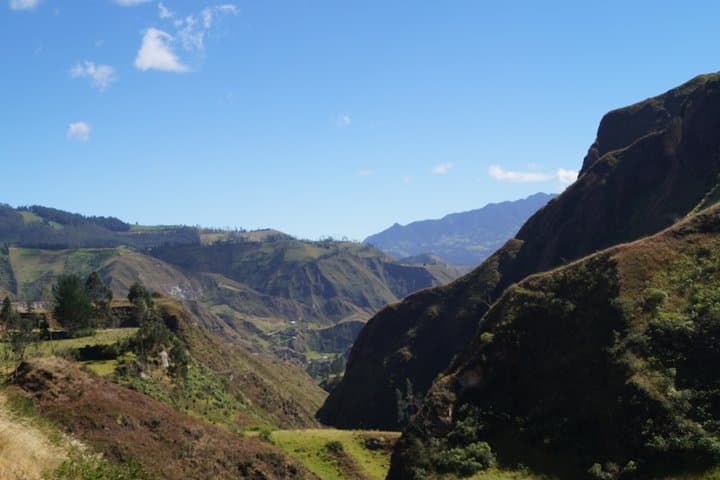
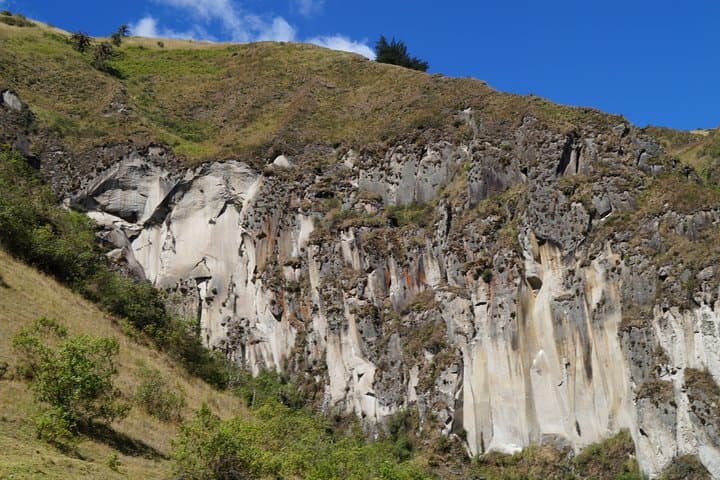
This three-day circuit links volcanic geology, rural highland culture and steep canyon country. Quilotoa’s crater lake sits in a collapsed caldera formed by a violent eruption centuries ago; Toachi Canyon cuts deeper, shaped by relentless water and tectonic lift. The route threads farming villages—Isinlivi, Chugchilan, Zumbahua—where Quechua traditions persist: stone walls, terraced fields and market stalls selling woven textiles and local cheese.
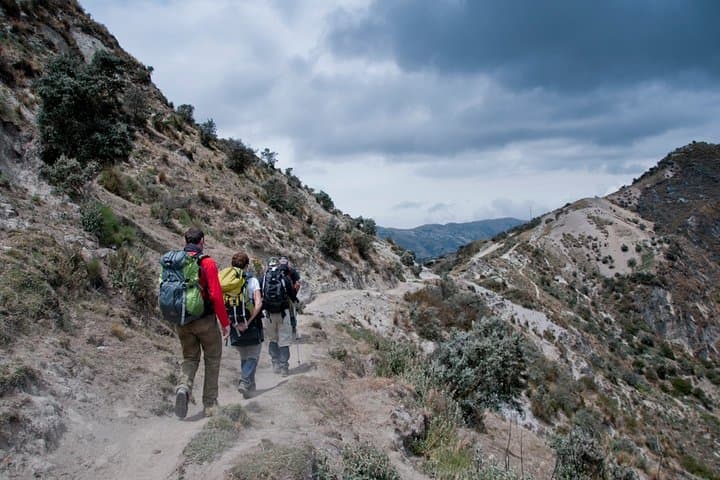
Expect steep descents into crater rims, sections of loose scree, and sustained altitude—some trailheads sit above 4,000 m (13,000 ft). Nights are simple lodges or hostels in village centers; meals are corn- and potato-forward with hot soups to restore warmth.
Practical guidance: pace your ascent, hydrate early and often, and plan an extra day in Quito to acclimatize if you’re coming from low elevation. Wear stiff-soled boots for rocky descents, and carry a rain shell—weather in the high Andes flips fast. Morning light gives the best views of Quilotoa’s changing blues; afternoons bring winds and cloud.
This private itinerary balances hard miles with cultural stops, offering an accessible but demanding mountain trek for hikers ready to trade crowds for highland solitude.
challenging.
3 days.
Good cardiovascular fitness with prior day-hiking experience; comfortable with sustained uphill and downhill hikes at high altitude
The terrain includes steep ascents and descents with sections above 4,000 m; even fit hikers find the altitude taxing—plan for shorter daily distances and frequent rests.
Yes—this private tour typically includes simple village lodges or hostels for the two overnights, plus meals as listed in the itinerary.
Hikers with some day-hike experience can do it, but beginners should prepare for altitude and carry appropriate gear; prior acclimatization is strongly recommended.
Expect highland birdlife such as Andean gulls and hummingbirds; condors are occasional but possible sightings in the wider canyon and volcanic areas.
Quilotoa’s lake occupies a collapsed caldera created by a major eruption; the villages along the loop retain strong Quechua agricultural traditions and communal land use.
Trails pass fragile páramo ecosystems—stick to paths, pack out waste, and favor local guides to support community-based tourism.
Ecu-Trans, Tourist Transportation operates guided outdoor trips and adventures with an emphasis on safety, stewardship, and memorable experiences.
The trail opens with wind and dust high above the Andean rim: you leave Quito and climb through a ladder of volcanic landscapes until Cotopaxi’s cone shadows the road. On day one the air thins and páramo grass bends like low waves, and at Limpiopungo you’ll feel the lake’s cool silence daring you to slow down.
The trail opens with wind and dust high above the Andean rim: you leave Quito and climb through a ladder of volcanic landscapes until Cotopaxi’s cone shadows the road. On day one the air thins and páramo grass bends like low waves, and at Limpiopungo you’ll feel the lake’s cool silence daring you to slow down.
This three-day circuit links volcanic geology, rural highland culture and steep canyon country. Quilotoa’s crater lake sits in a collapsed caldera formed by a violent eruption centuries ago; Toachi Canyon cuts deeper, shaped by relentless water and tectonic lift. The route threads farming villages—Isinlivi, Chugchilan, Zumbahua—where Quechua traditions persist: stone walls, terraced fields and market stalls selling woven textiles and local cheese.
Expect steep descents into crater rims, sections of loose scree, and sustained altitude—some trailheads sit above 4,000 m (13,000 ft). Nights are simple lodges or hostels in village centers; meals are corn- and potato-forward with hot soups to restore warmth.
Practical guidance: pace your ascent, hydrate early and often, and plan an extra day in Quito to acclimatize if you’re coming from low elevation. Wear stiff-soled boots for rocky descents, and carry a rain shell—weather in the high Andes flips fast. Morning light gives the best views of Quilotoa’s changing blues; afternoons bring winds and cloud.
This private itinerary balances hard miles with cultural stops, offering an accessible but demanding mountain trek for hikers ready to trade crowds for highland solitude.