THE ADVENTURE COLLECTIVE® · Independent discovery and booking for outdoor travel

From the crater rim to mountain villages, the Quilotoa Loop compresses Andean geology and highland culture into two days. Expect turquoise lake views, variable weather, and authentic village hospitality on this moderate multi-day hike.
From the crater rim to mountain villages, the Quilotoa Loop compresses Andean geology and highland culture into two days. Expect turquoise lake views, variable weather, and authentic village hospitality on this moderate multi-day hike.
A wind-scoured saddle of high puna opens as you crest the final hill: a ring of steep crater walls drops away to a turquoise lake that seems to hold the sky. The rim trail threads past scrub, stone fences and grazing llamas; weather can flip from bright sun to cold wind in a single stretch, and the crater’s lip dares you to keep walking for the view.
Verified experiences and guided adventures in the surrounding area.
Operated by Ecuador Tour Guide · Quilotoa, Cotopaxi
A wind-scoured saddle of high puna opens as you crest the final hill: a ring of steep crater walls drops away to a turquoise lake that seems to hold the sky. The rim trail threads past scrub, stone fences and grazing llamas; weather can flip from bright sun to cold wind in a single stretch, and the crater’s lip dares you to keep walking for the view.
The Quilotoa Loop follows ancient footpaths that once linked highland communities across the Ecuadorian Andes. The lake itself fills a caldera formed by a massive eruption roughly 800 years ago; its mineral-rich waters produce the intense blue-green color that draws hikers. Along the trail, small indigenous villages—Zumbahua, Huayama and Chugchilan—offer a glimpse of subsistence farming, traditional wool textiles and simple hostel hospitality.
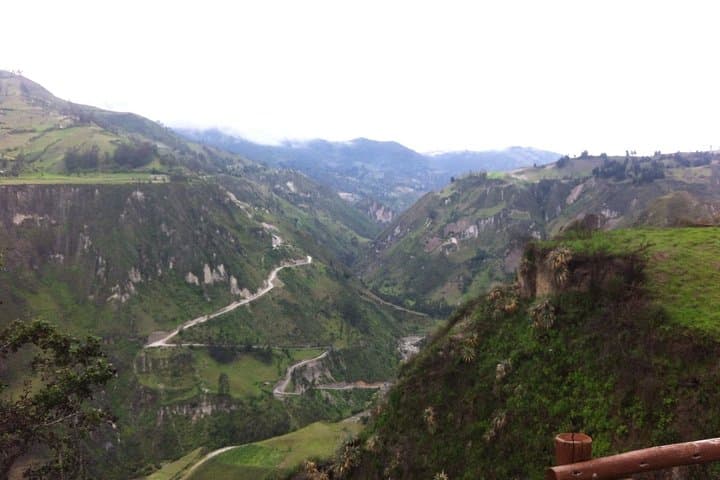
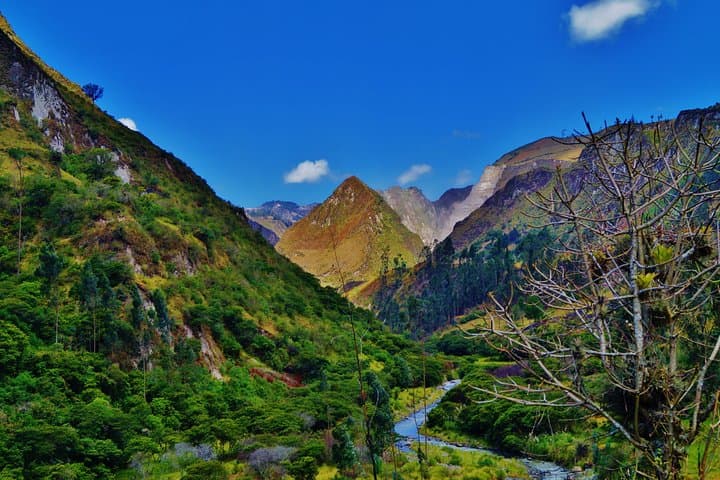
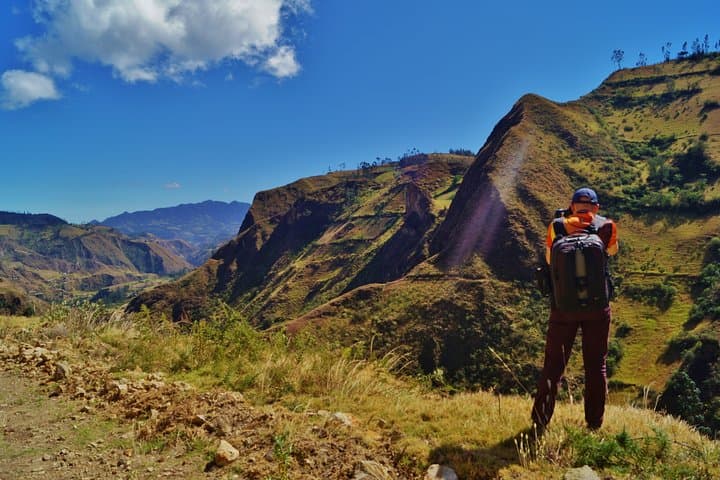
Expect a mix of rocky singletrack, dirt roads and short steep descents. Typical routes include a rim circuit (6–10 km depending on chosen path) and a longer day descent across plateaus to Chugchilan (4–6 hours, 600–900 m cumulative elevation change). The terrain rewards steady footing with wide vistas of the Avenue of Volcanoes.
Practical notes: start early to avoid afternoon wind, carry water and layers, and budget for basic overnight accommodation in a local hostel. Guides handle private transport from Quito and route logistics, but the hike’s variable weather and loose scree demand careful footwear and a measured pace. For travelers who want cultural context and compact alpine scenery, the Quilotoa Loop delivers a short, vivid Andean trek.
moderate.
2 days (8–10 hours of hiking total).
Moderate fitness needed: comfortable with sustained climbs, descents and several hours on uneven terrain.
The itinerary is moderate: expect several hours of hiking each day with varied steepness and loose terrain; a basic level of fitness and good footwear are recommended.
This tour typically uses a basic local hostel in the Quilotoa area with shared facilities, not camping; confirm with the operator for lodging standards.
Yes—the trip commonly departs Quito via the Avenue of the Volcanoes with private transport included in the tour price.
High-altitude weather is changeable: strong sun, brisk winds and occasional rain are all possible the same day—layering is essential.
The Quilotoa caldera formed after a violent eruption in the last millennium; surrounding footpaths have long connected indigenous highland communities who still maintain traditional farming and weaving practices.
Visitors should stay on established trails, pack out waste and support local hostels and artisans to keep tourism benefits in the valley while protecting fragile alpine grasslands.
Ecuador Tour Guide operates guided outdoor trips and adventures with an emphasis on safety, stewardship, and memorable experiences.
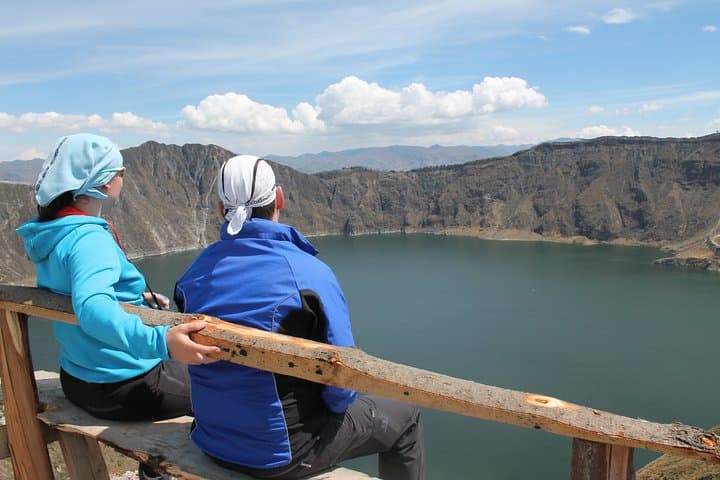
A wind-scoured saddle of high puna opens as you crest the final hill: a ring of steep crater walls drops away to a turquoise lake that seems to hold the sky. The rim trail threads past scrub, stone fences and grazing llamas; weather can flip from bright sun to cold wind in a single stretch, and the crater’s lip dares you to keep walking for the view.
A wind-scoured saddle of high puna opens as you crest the final hill: a ring of steep crater walls drops away to a turquoise lake that seems to hold the sky. The rim trail threads past scrub, stone fences and grazing llamas; weather can flip from bright sun to cold wind in a single stretch, and the crater’s lip dares you to keep walking for the view.
The Quilotoa Loop follows ancient footpaths that once linked highland communities across the Ecuadorian Andes. The lake itself fills a caldera formed by a massive eruption roughly 800 years ago; its mineral-rich waters produce the intense blue-green color that draws hikers. Along the trail, small indigenous villages—Zumbahua, Huayama and Chugchilan—offer a glimpse of subsistence farming, traditional wool textiles and simple hostel hospitality.
Expect a mix of rocky singletrack, dirt roads and short steep descents. Typical routes include a rim circuit (6–10 km depending on chosen path) and a longer day descent across plateaus to Chugchilan (4–6 hours, 600–900 m cumulative elevation change). The terrain rewards steady footing with wide vistas of the Avenue of Volcanoes.
Practical notes: start early to avoid afternoon wind, carry water and layers, and budget for basic overnight accommodation in a local hostel. Guides handle private transport from Quito and route logistics, but the hike’s variable weather and loose scree demand careful footwear and a measured pace. For travelers who want cultural context and compact alpine scenery, the Quilotoa Loop delivers a short, vivid Andean trek.