THE ADVENTURE COLLECTIVE® · Independent discovery and booking for outdoor travel

Stand at a highland rim and peer into a turquoise volcanic lake, then hike the steep trail to the crater shore and visit Tigua artists for a genuine cultural exchange. This full-day trip from Quito combines geology, challenging ascent, and local arts.
Stand at a highland rim and peer into a turquoise volcanic lake, then hike the steep trail to the crater shore and visit Tigua artists for a genuine cultural exchange. This full-day trip from Quito combines geology, challenging ascent, and local arts.
A cold highland wind meets the first light as the minivan pulls off the Pan-American and a shallow road climbs toward the crater rim. The Quilotoa viewpoint opens suddenly: a raw crescent of cliffs and a glassy turquoise lake sitting in the throat of a collapsed volcano. Visitors stand at over 3,900 meters and watch clouds form and spill across the caldera like an obliging audience.
Verified experiences and guided adventures in the surrounding area.
Operated by LimaTours · Zumbahua, Cotopaxi
A cold highland wind meets the first light as the minivan pulls off the Pan-American and a shallow road climbs toward the crater rim. The Quilotoa viewpoint opens suddenly: a raw crescent of cliffs and a glassy turquoise lake sitting in the throat of a collapsed volcano. Visitors stand at over 3,900 meters and watch clouds form and spill across the caldera like an obliging audience.
Quilotoa is a volcanic caldera created when the volcano’s summit collapsed after a major eruption; the lake’s color comes from dissolved minerals and light. The surrounding highlands are populated by Quechua-speaking communities who maintain textile and painting traditions—Tigua artists are known for their naïf-style scenes rendered on sheepskin and boards. Local markets along the route still sell handwoven ponchos, fresh cheese, and roasted corn.
The hike from the rim to the lake is steep and direct: expect roughly 1.5 km each way with about 400 meters of elevation change. Trails alternate between hard-packed volcanic soil and loose scree; the ascent is the demanding part. Mules are available for the climb up, run by local families. Photographers and soft-adventure travelers will find dramatic compositional opportunities from the lookout and the crater shore.
Practical notes: acclimatize in Quito before you go, start early to avoid afternoon clouds, carry water and sun protection, and bring small cash for community fees, souvenirs, or mule services. The day combines strenuous hiking, vivid geology, and a close cultural exchange with Tigua artists—an efficient, unforgettable Andean outing.
moderate.
8 hours.
Moderately fit: able to manage a steady 400m ascent at high altitude and uneven terrain.
The rim sits at roughly 3,900–3,914 meters (about 12,800–12,850 ft), so altitude effects are common.
Expect about 1.5 km each way with a roughly 400 m elevation change; the descent is quicker than the ascent.
Yes—local mule operators offer rides up for a fee; availability varies and cash is required.
Young children can do the trip but infants must sit on laps and high altitude plus the steep ascent make it better suited to older kids and teens.
The caldera formed after a major volcanic collapse; the area has long been inhabited by Quechua communities who kept pre-Columbian agrarian traditions and textile arts.
The Quilotoa region is managed with local community fees that support trail maintenance and cultural programs; stay on marked trails and pack out waste to protect fragile puna ecosystems.
LimaTours operates guided outdoor trips and adventures with an emphasis on safety, stewardship, and memorable experiences.
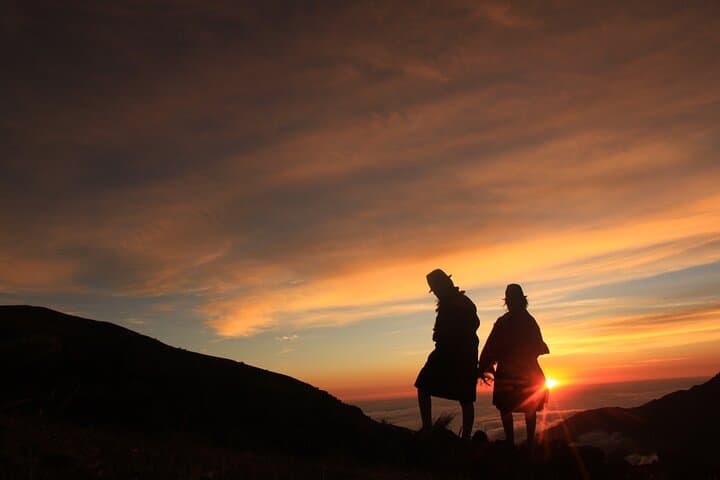
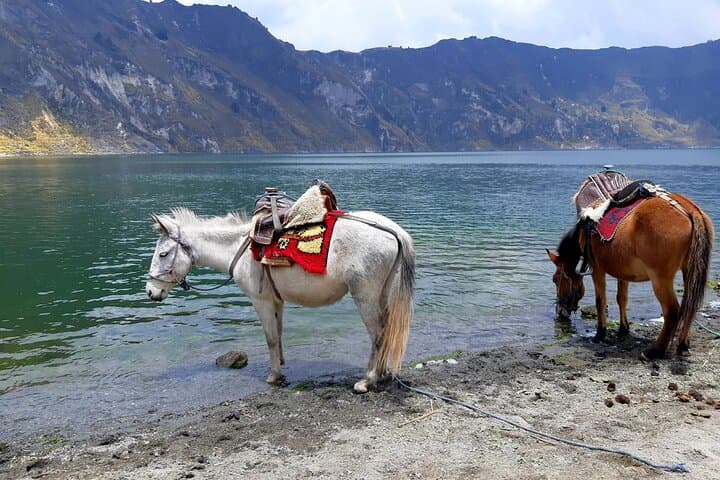
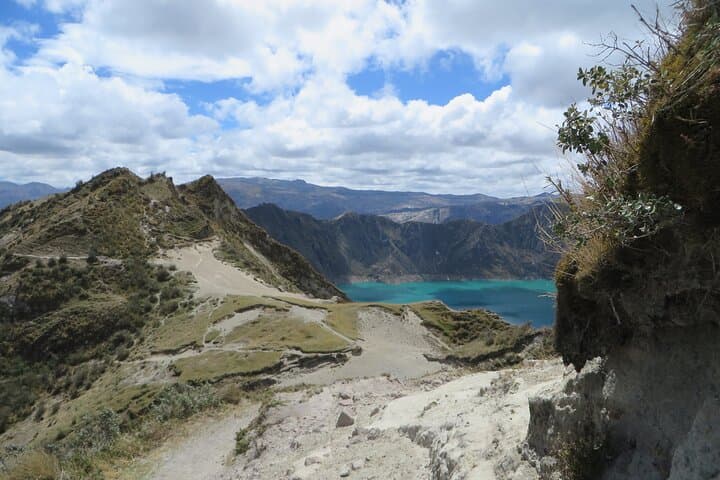
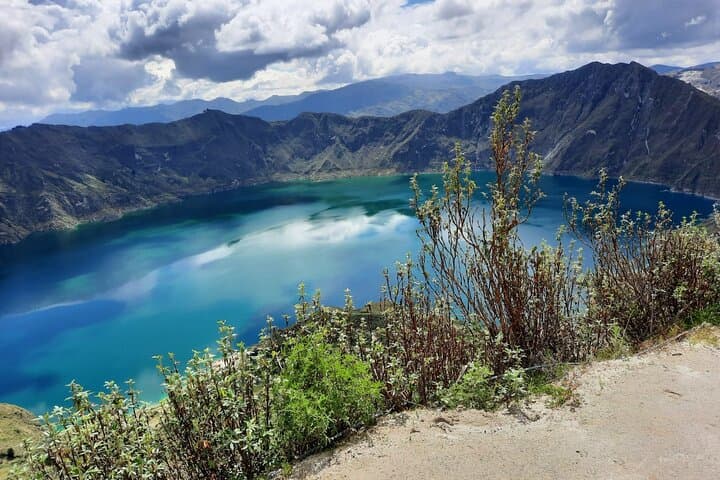
A cold highland wind meets the first light as the minivan pulls off the Pan-American and a shallow road climbs toward the crater rim. The Quilotoa viewpoint opens suddenly: a raw crescent of cliffs and a glassy turquoise lake sitting in the throat of a collapsed volcano. Visitors stand at over 3,900 meters and watch clouds form and spill across the caldera like an obliging audience.
A cold highland wind meets the first light as the minivan pulls off the Pan-American and a shallow road climbs toward the crater rim. The Quilotoa viewpoint opens suddenly: a raw crescent of cliffs and a glassy turquoise lake sitting in the throat of a collapsed volcano. Visitors stand at over 3,900 meters and watch clouds form and spill across the caldera like an obliging audience.
Quilotoa is a volcanic caldera created when the volcano’s summit collapsed after a major eruption; the lake’s color comes from dissolved minerals and light. The surrounding highlands are populated by Quechua-speaking communities who maintain textile and painting traditions—Tigua artists are known for their naïf-style scenes rendered on sheepskin and boards. Local markets along the route still sell handwoven ponchos, fresh cheese, and roasted corn.
The hike from the rim to the lake is steep and direct: expect roughly 1.5 km each way with about 400 meters of elevation change. Trails alternate between hard-packed volcanic soil and loose scree; the ascent is the demanding part. Mules are available for the climb up, run by local families. Photographers and soft-adventure travelers will find dramatic compositional opportunities from the lookout and the crater shore.
Practical notes: acclimatize in Quito before you go, start early to avoid afternoon clouds, carry water and sun protection, and bring small cash for community fees, souvenirs, or mule services. The day combines strenuous hiking, vivid geology, and a close cultural exchange with Tigua artists—an efficient, unforgettable Andean outing.