THE ADVENTURE COLLECTIVE® · Independent discovery and booking for outdoor travel

A highland day trip to Quilotoa drops visitors onto a dramatic volcanic rim where a green-turquoise crater lake waits. Expect steep descents, mineral-rich views, and local markets run by Kichwa communities.
A highland day trip to Quilotoa drops visitors onto a dramatic volcanic rim where a green-turquoise crater lake waits. Expect steep descents, mineral-rich views, and local markets run by Kichwa communities.
Wind slices across the crater rim and the lake below answers with an impossible green-turquoise hush. Visitors step out of the vehicle into thin air—Quilotoa sits above 3,900 meters—and the crater’s steep walls drop away to a bowl of mineral-rich water that seems to hold the Andes’ weather in suspension.
Verified experiences and guided adventures in the surrounding area.
Operated by Special holiday offer. Best of Ecuador | Tour Operator - Explorjungle · Quilotoa (community), Cotopaxi
Wind slices across the crater rim and the lake below answers with an impossible green-turquoise hush. Visitors step out of the vehicle into thin air—Quilotoa sits above 3,900 meters—and the crater’s steep walls drop away to a bowl of mineral-rich water that seems to hold the Andes’ weather in suspension.
The caldera was carved by a massive eruption centuries ago; its geology is raw lava and ash, the lake’s color driven by dissolved minerals and seasonal runoff. The Quilotoa community, largely Kichwa-speaking, manages trails, simple lodgings and local markets nearby where woven textiles and carved gourds speak to a living highland craft tradition.
On a typical day trip hikers follow the rim for panoramic viewpoints (a partial loop of 6–10 km is common), or descend the steep 400 m trail to the waterline if they want closer perspective; local operators also offer kayaking, horseback rides and optional boat trips arranged on site. Terrain alternates between pumice dust, loose rock and compact trail; weather can flip from sun to rain in an hour, and the altitude makes even short climbs feel demanding.
Practical points: give yourself 4–6 hours for the site visit, bring layered windproof clothing, high-elevation sun protection and cash for community fees, kayak rentals or a horse. Allow time for acclimatization if traveling up from lower valleys—slow pace and hydration will make the crater’s scale rewarding rather than punishing.
moderate.
4–6 hours.
Moderate fitness recommended—able to handle steep descents/ascents at high altitude and maintain a steady pace.
Kayaking is typically offered locally as an optional extra and is not included by default—bring appropriate dry clothing and expect to pay on-site.
The descent to the water drops roughly 400 m and takes 30–60 minutes each way depending on pace and trail conditions.
Yes; Quilotoa is commonly visited as a long day trip from Quito (roughly 3–4 hours each way by road), but overnighting in Latacunga or a nearby village eases altitude effects.
Yes—allow time to acclimatize, avoid excessive exertion on the first day at elevation, hydrate, and descend if symptoms of acute altitude sickness appear.
The caldera was created by a major volcanic eruption centuries ago; the lake and surrounding communities have long been part of highland Kichwa cultural territory.
This high-altitude ecosystem is fragile—stick to marked trails, carry out waste, and support community-run services that help manage visitor impact.
Special holiday offer. Best of Ecuador | Tour Operator - Explorjungle operates guided outdoor trips and adventures with an emphasis on safety, stewardship, and memorable experiences.
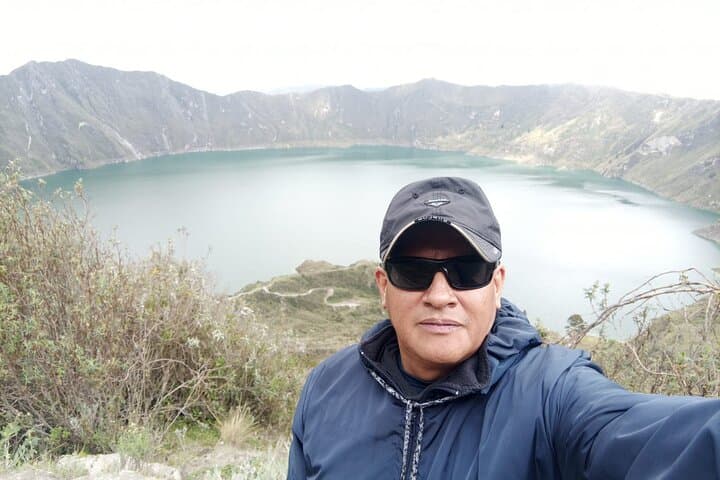
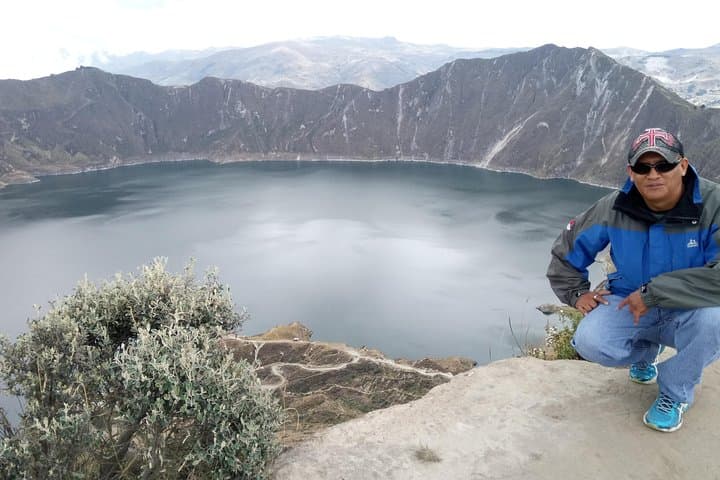
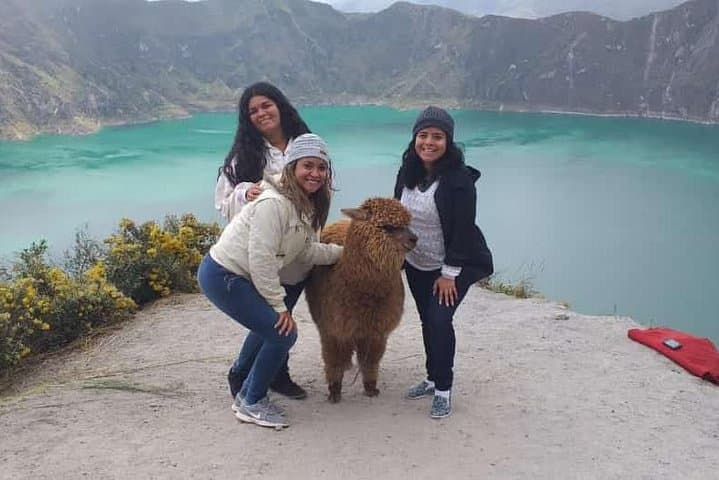
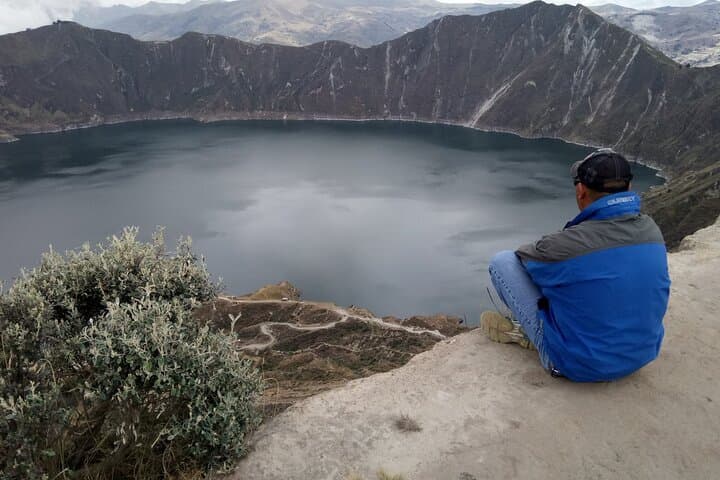
Wind slices across the crater rim and the lake below answers with an impossible green-turquoise hush. Visitors step out of the vehicle into thin air—Quilotoa sits above 3,900 meters—and the crater’s steep walls drop away to a bowl of mineral-rich water that seems to hold the Andes’ weather in suspension.
Wind slices across the crater rim and the lake below answers with an impossible green-turquoise hush. Visitors step out of the vehicle into thin air—Quilotoa sits above 3,900 meters—and the crater’s steep walls drop away to a bowl of mineral-rich water that seems to hold the Andes’ weather in suspension.
The caldera was carved by a massive eruption centuries ago; its geology is raw lava and ash, the lake’s color driven by dissolved minerals and seasonal runoff. The Quilotoa community, largely Kichwa-speaking, manages trails, simple lodgings and local markets nearby where woven textiles and carved gourds speak to a living highland craft tradition.
On a typical day trip hikers follow the rim for panoramic viewpoints (a partial loop of 6–10 km is common), or descend the steep 400 m trail to the waterline if they want closer perspective; local operators also offer kayaking, horseback rides and optional boat trips arranged on site. Terrain alternates between pumice dust, loose rock and compact trail; weather can flip from sun to rain in an hour, and the altitude makes even short climbs feel demanding.
Practical points: give yourself 4–6 hours for the site visit, bring layered windproof clothing, high-elevation sun protection and cash for community fees, kayak rentals or a horse. Allow time for acclimatization if traveling up from lower valleys—slow pace and hydration will make the crater’s scale rewarding rather than punishing.