THE ADVENTURE COLLECTIVE® · Independent discovery and booking for outdoor travel

Stand on Quilotoa's rim and peer into a jewel-toned crater formed by volcanic collapse. This private full-day tour blends rim hikes, optional kayaking or horseback riding, and visits with local Kichwa communities.
Stand on Quilotoa's rim and peer into a jewel-toned crater formed by volcanic collapse. This private full-day tour blends rim hikes, optional kayaking or horseback riding, and visits with local Kichwa communities.
A cold wind pushes across the rim as you step out of the vehicle and the crater opens like a bowl of liquid turquoise below — Quilotoa's lagoon daring you to come closer. The rim trail traces sharp volcanic rock and grassy ledges; clouds roll through the caldera in minutes, changing light and color as if the lake itself breathes.
Verified experiences and guided adventures in the surrounding area.
Operated by Turismo Ecuador 24 · Quilotoa, Cotopaxi Province
A cold wind pushes across the rim as you step out of the vehicle and the crater opens like a bowl of liquid turquoise below — Quilotoa's lagoon daring you to come closer. The rim trail traces sharp volcanic rock and grassy ledges; clouds roll through the caldera in minutes, changing light and color as if the lake itself breathes.
Quilotoa is the collapsed summit of an explosive volcano that emptied its magma chamber centuries ago to create the nearly circular crater you see today. The surrounding páramo — high Andean grassland — supports small Kichwa communities whose weaving and potato terraces reflect centuries-old agricultural traditions. Geologically, the crater holds mineral-rich water that refracts sky and altitude into intense hues.
On a private full-day tour you'll walk rim trails, descend to the waterline, and have options to kayak or ride a horse along gentler slopes; a bilingual guide connects the landscape to local history and culture. Expect changing weather, thin air above 3,800 m, and terrain that shifts from packed dirt to loose scree on the descent.
Practical guidance: start early for clearer skies, use layers and a sturdy pair of hiking shoes, hydrate for altitude, and carry small change to support local vendors. The tour typically includes private transportation and lunch; confirm pickup point and bring photocopies of travel documents. Respect trail signs, avoid disturbing highland grasses, and leave no trace — the crater is fragile but will reward careful visitors with dramatic vistas and an unforgettable sense of place.
moderate.
6–8 hours (full-day).
Moderate fitness: comfortable with sustained walking, some steeper descents and altitude-related exertion.
The crater rim sits around 3,800–3,900 m (12,500 ft). Mild altitude effects are common; rest, hydrate, and avoid strenuous activity if you feel unwell.
Yes — on many tours kayaking to the shore is an option when conditions allow; bring waterproof bags for electronics.
The descent is steep and can be loose; it's manageable for most people in good health but takes care on the way back up.
Basic services exist near the rim and in nearby communities; the private tour typically includes lunch, but carry snacks and small change for local vendors.
Quilotoa is the remnant of a violent volcanic event centuries ago; local Kichwa communities maintain agricultural and weaving traditions around the crater.
The high-altitude páramo is fragile—stay on trails, minimize fire and waste, and support community-run initiatives to preserve the landscape.
Turismo Ecuador 24 operates guided outdoor trips and adventures with an emphasis on safety, stewardship, and memorable experiences.
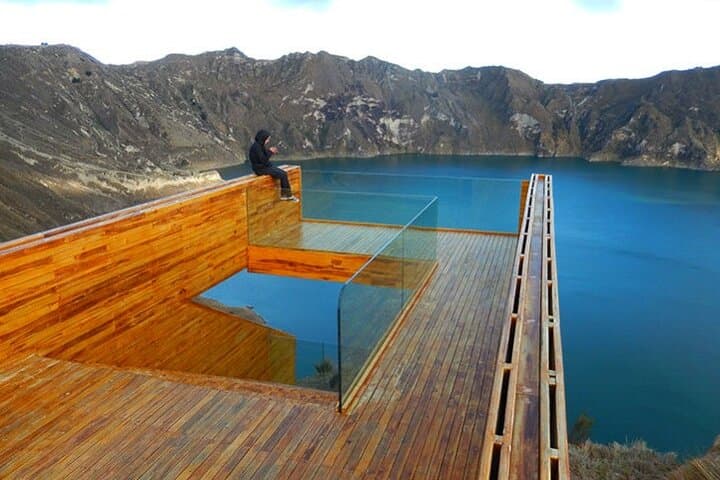
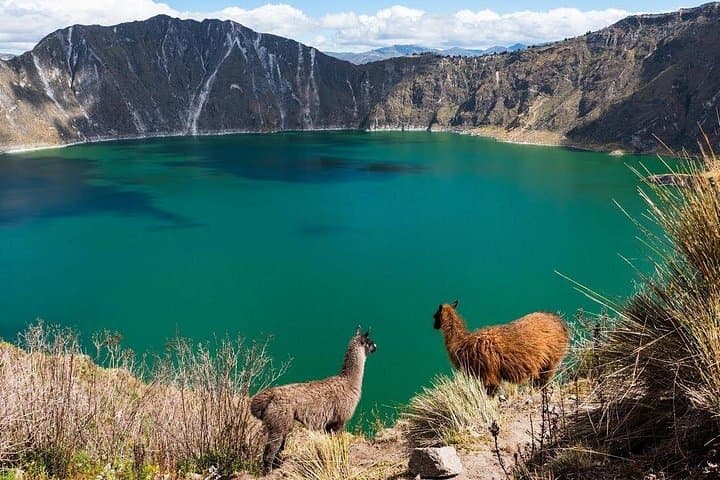
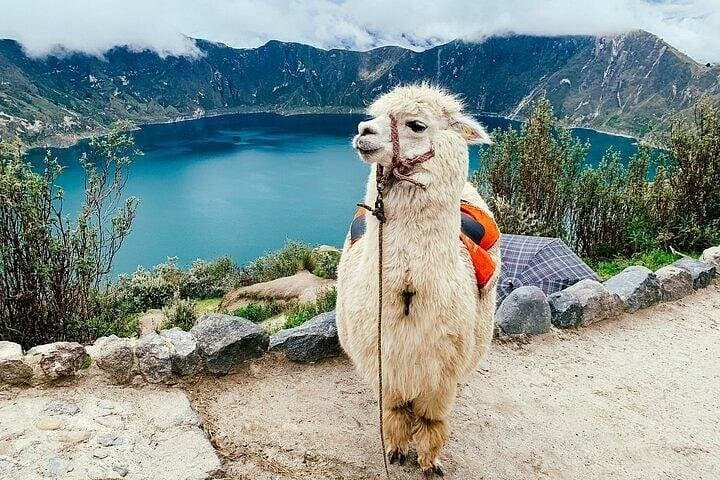
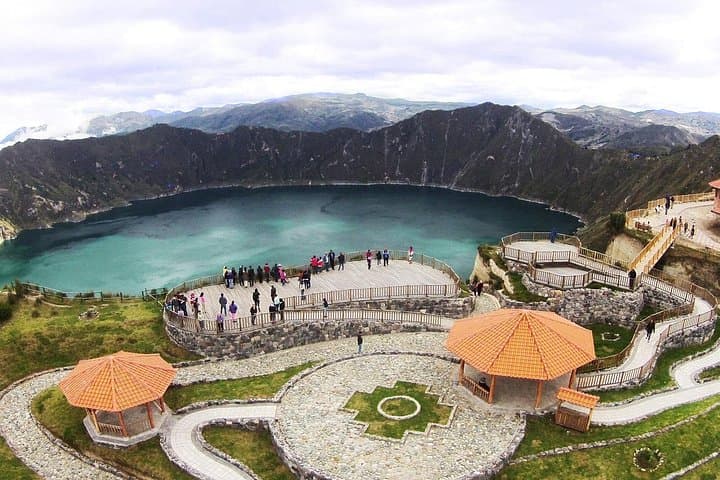
A cold wind pushes across the rim as you step out of the vehicle and the crater opens like a bowl of liquid turquoise below — Quilotoa's lagoon daring you to come closer. The rim trail traces sharp volcanic rock and grassy ledges; clouds roll through the caldera in minutes, changing light and color as if the lake itself breathes.
A cold wind pushes across the rim as you step out of the vehicle and the crater opens like a bowl of liquid turquoise below — Quilotoa's lagoon daring you to come closer. The rim trail traces sharp volcanic rock and grassy ledges; clouds roll through the caldera in minutes, changing light and color as if the lake itself breathes.
Quilotoa is the collapsed summit of an explosive volcano that emptied its magma chamber centuries ago to create the nearly circular crater you see today. The surrounding páramo — high Andean grassland — supports small Kichwa communities whose weaving and potato terraces reflect centuries-old agricultural traditions. Geologically, the crater holds mineral-rich water that refracts sky and altitude into intense hues.
On a private full-day tour you'll walk rim trails, descend to the waterline, and have options to kayak or ride a horse along gentler slopes; a bilingual guide connects the landscape to local history and culture. Expect changing weather, thin air above 3,800 m, and terrain that shifts from packed dirt to loose scree on the descent.
Practical guidance: start early for clearer skies, use layers and a sturdy pair of hiking shoes, hydrate for altitude, and carry small change to support local vendors. The tour typically includes private transportation and lunch; confirm pickup point and bring photocopies of travel documents. Respect trail signs, avoid disturbing highland grasses, and leave no trace — the crater is fragile but will reward careful visitors with dramatic vistas and an unforgettable sense of place.