THE ADVENTURE COLLECTIVE® · Independent discovery and booking for outdoor travel

A full-day private tour from Quito to the Quilotoa crater lake combines dramatic volcanic scenery with visits to indigenous villages and artisan workshops. Expect steep rim trails, high-elevation winds, and close cultural exchanges with local communities.
A full-day private tour from Quito to the Quilotoa crater lake combines dramatic volcanic scenery with visits to indigenous villages and artisan workshops. Expect steep rim trails, high-elevation winds, and close cultural exchanges with local communities.
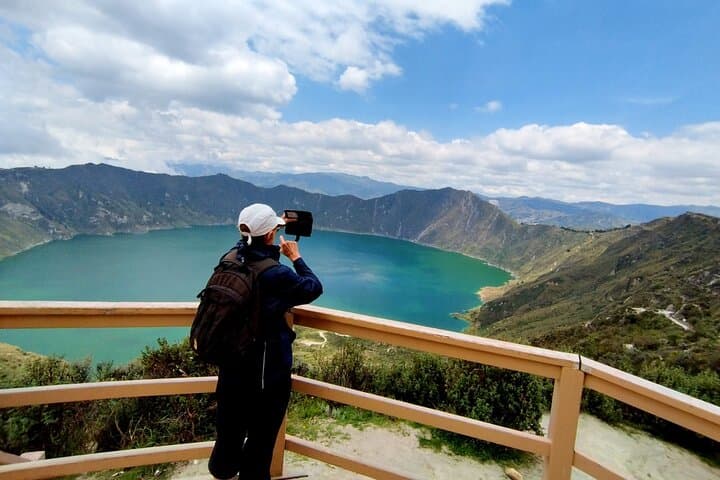
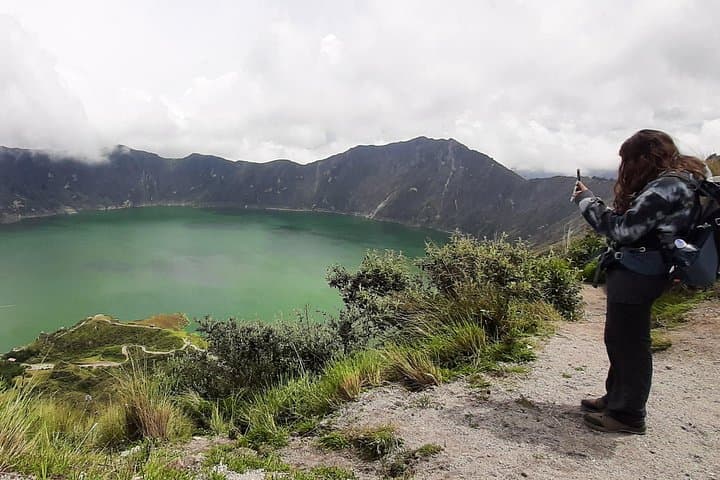
Wind strips across the rim as the bus eases into high Andean plateaus, and the crater lake appears—a cut of polished green set below rocky teeth. On a private day tour from Quito you trade urban traffic for altiplano light, stepping into the raw geology of the Eastern Cordillera and the living culture of nearby indigenous communities.
Verified experiences and guided adventures in the surrounding area.
Operated by SUPAY ECUADOR TOUR · Quilotoa, Cotopaxi
Wind strips across the rim as the bus eases into high Andean plateaus, and the crater lake appears—a cut of polished green set below rocky teeth. On a private day tour from Quito you trade urban traffic for altiplano light, stepping into the raw geology of the Eastern Cordillera and the living culture of nearby indigenous communities.
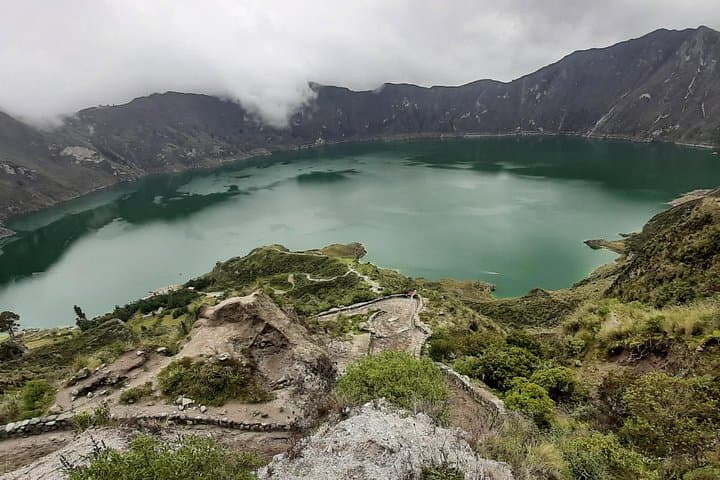
Quilotoa is a volcanic caldera formed by a Plinian eruption roughly 800 years ago; its water-filled crater sits at about 3,800–3,900 meters and catches wind like a bowl. The surrounding villages—Saquisilí, Tigua, Zumbahua—keep Andean traditions alive: markets, woven textiles, and narrative painting that recall pre-Columbian patterns mixed with Catholic motifs introduced in the colonial era.
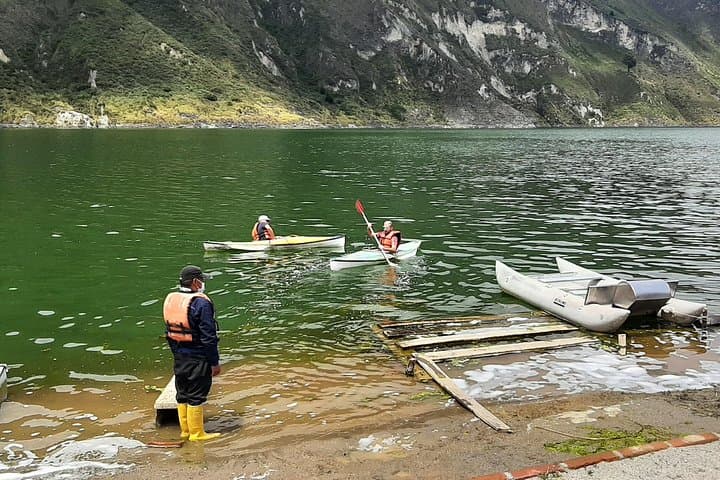
Expect stony trails along the rim, a steep but well-trodden descent to the waterline for those who choose, and the option for simple boats or kayak rentals on calm days. Local guides and host families explain agricultural cycles and artisan workshops; small entrance fees support community projects.
Practical side: plan for a long day (10–12 hours) and significant altitude change—assume cool, windy conditions even when Quito is mild. Wear layered clothing, sturdy shoes for loose volcanic scree, and sunscreen for high-UV exposure. Bring cash for local purchases and tipping. Private transport trims logistics: pick-up in Quito, park fees and basic bottled water are usually included, but confirm kayak or boat rentals and any extra meals.
This is a trip that pairs geology with direct cultural exchange—rewarding, straightforward, and demanding the respect high Andes weather requires.
moderate.
10–12 hours.
Moderate fitness recommended—able to handle several short steep hikes at high elevation and long periods standing or moving between sites.
Tours are usually 10–12 hours, departing early from Quito (around 6:00–7:00) and returning in the evening—exact times depend on pickup location.
The descent to the water is steep but short; return ascent is more demanding due to altitude—participants can remain on the rim if preferred.
Basic entrance and community fees are usually included; kayak or boat rentals are often optional and may require extra payment on site—confirm with your operator.
High altitude and steep trails make this less suitable for very young children and pregnant travelers—check medical advice and tour restrictions.
Quilotoa’s caldera formed in a major eruption centuries ago; the area has long been home to Kichwa-speaking communities that maintained pre-colonial agricultural traditions.
Local entrance fees and community projects support trails and artisan programs—travelers are encouraged to stay on paths, pack out waste, and buy from local producers to benefit residents.
SUPAY ECUADOR TOUR operates guided outdoor trips and adventures with an emphasis on safety, stewardship, and memorable experiences.
Wind strips across the rim as the bus eases into high Andean plateaus, and the crater lake appears—a cut of polished green set below rocky teeth. On a private day tour from Quito you trade urban traffic for altiplano light, stepping into the raw geology of the Eastern Cordillera and the living culture of nearby indigenous communities.
Wind strips across the rim as the bus eases into high Andean plateaus, and the crater lake appears—a cut of polished green set below rocky teeth. On a private day tour from Quito you trade urban traffic for altiplano light, stepping into the raw geology of the Eastern Cordillera and the living culture of nearby indigenous communities.
Quilotoa is a volcanic caldera formed by a Plinian eruption roughly 800 years ago; its water-filled crater sits at about 3,800–3,900 meters and catches wind like a bowl. The surrounding villages—Saquisilí, Tigua, Zumbahua—keep Andean traditions alive: markets, woven textiles, and narrative painting that recall pre-Columbian patterns mixed with Catholic motifs introduced in the colonial era.
Expect stony trails along the rim, a steep but well-trodden descent to the waterline for those who choose, and the option for simple boats or kayak rentals on calm days. Local guides and host families explain agricultural cycles and artisan workshops; small entrance fees support community projects.
Practical side: plan for a long day (10–12 hours) and significant altitude change—assume cool, windy conditions even when Quito is mild. Wear layered clothing, sturdy shoes for loose volcanic scree, and sunscreen for high-UV exposure. Bring cash for local purchases and tipping. Private transport trims logistics: pick-up in Quito, park fees and basic bottled water are usually included, but confirm kayak or boat rentals and any extra meals.
This is a trip that pairs geology with direct cultural exchange—rewarding, straightforward, and demanding the respect high Andes weather requires.