THE ADVENTURE COLLECTIVE® · Independent discovery and booking for outdoor travel

Slow your pace and sharpen your focus on private Thinking Trails in West Cork. Guided walks wind through mixed woodland, hilltop grassland and wetlands while prompts and maps help you work through ideas in nature.
Slow your pace and sharpen your focus on private Thinking Trails in West Cork. Guided walks wind through mixed woodland, hilltop grassland and wetlands while prompts and maps help you work through ideas in nature.
A soft breeze moves the grass on an open hilltop as you step onto a waymarked path that threads through mixed woodland, ponds and wind-swept grassland. The air smells of damp leaf mold and heather; songbirds punctuate the silence while the trail asks you to slow down and think.
Verified experiences and guided adventures in the surrounding area.
Operated by Wild Future · Kenmare, County Kerry
A soft breeze moves the grass on an open hilltop as you step onto a waymarked path that threads through mixed woodland, ponds and wind-swept grassland. The air smells of damp leaf mold and heather; songbirds punctuate the silence while the trail asks you to slow down and think.
The park sits on geology shaped by glacial and coastal processes — rolling moraines and peaty wetland pockets that support native deciduous stands and mature evergreens. Locally the land has long been managed for small-scale grazing and biodiversity, and contemporary initiatives in West Cork emphasize habitat restoration and low-impact recreation.
Culturally, the area is rural Ireland: stone walls, quiet lanes and a tradition of walking that blends practical travel with reflection. Guides lead Thinking Trails using established cognitive frameworks and gentle prompts, so the hike is part nature ramble, part structured reflection.
Trails vary from short 30-minute flat loops to three-hour routes that climb steeper, uneven ground; expect roots, boggy sections and exposed rock. Practical planning pays off: wear sturdy footwear, bring layered waterproofs, and pack a notebook if you plan to work through ideas. The tour is private, includes a trails map and tea or coffee, and is best scheduled in calm weather to make the most of views and pond edges.
Whether you come to clear a work problem or simply recharge, these thinking trails pair low-impact exploration with focused mental space — a deliberate, outdoor practice framed by West Cork’s living landscape.
moderate.
2–3 hours.
Moderate fitness: able to walk uneven ground and handle short, steeper sections for up to three hours.
Meeting details are provided after booking; most departures coordinate from Kenmare or a nearby car park and include a trails map for orientation.
Participants should have moderate fitness: comfortable walking on uneven ground for up to three hours with occasional steeper sections.
Service animals are allowed; general pet policies vary—check with the operator before booking to confirm pet access.
This activity is not recommended for travelers with serious spinal or cardiovascular conditions due to uneven terrain and physical exertion.
The parkland reflects rural West Cork land use — historical grazing, hedgerow management and smallholdings have shaped its mosaic of habitats.
Visitors are encouraged to stay on marked trails to protect peatland and wetland plants; the site supports local biodiversity programs promoting native tree regeneration.
Wild Future operates guided outdoor trips and adventures with an emphasis on safety, stewardship, and memorable experiences.
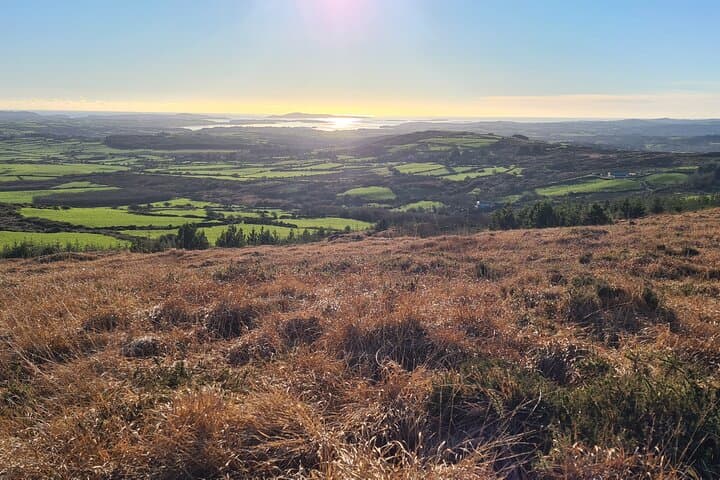
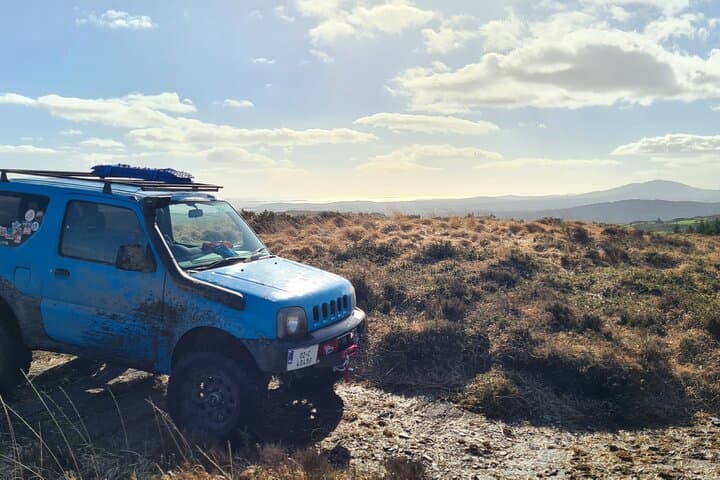
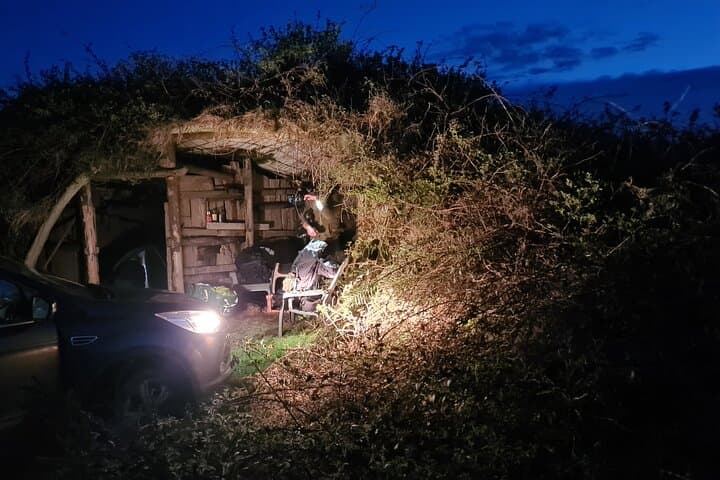
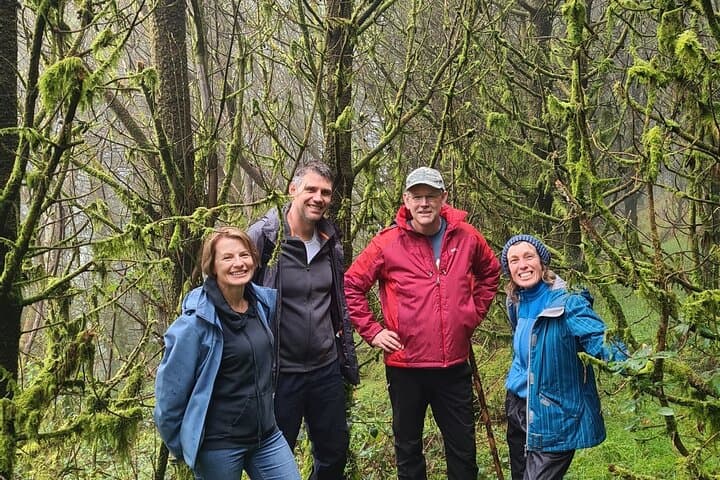
A soft breeze moves the grass on an open hilltop as you step onto a waymarked path that threads through mixed woodland, ponds and wind-swept grassland. The air smells of damp leaf mold and heather; songbirds punctuate the silence while the trail asks you to slow down and think.
A soft breeze moves the grass on an open hilltop as you step onto a waymarked path that threads through mixed woodland, ponds and wind-swept grassland. The air smells of damp leaf mold and heather; songbirds punctuate the silence while the trail asks you to slow down and think.
The park sits on geology shaped by glacial and coastal processes — rolling moraines and peaty wetland pockets that support native deciduous stands and mature evergreens. Locally the land has long been managed for small-scale grazing and biodiversity, and contemporary initiatives in West Cork emphasize habitat restoration and low-impact recreation.
Culturally, the area is rural Ireland: stone walls, quiet lanes and a tradition of walking that blends practical travel with reflection. Guides lead Thinking Trails using established cognitive frameworks and gentle prompts, so the hike is part nature ramble, part structured reflection.
Trails vary from short 30-minute flat loops to three-hour routes that climb steeper, uneven ground; expect roots, boggy sections and exposed rock. Practical planning pays off: wear sturdy footwear, bring layered waterproofs, and pack a notebook if you plan to work through ideas. The tour is private, includes a trails map and tea or coffee, and is best scheduled in calm weather to make the most of views and pond edges.
Whether you come to clear a work problem or simply recharge, these thinking trails pair low-impact exploration with focused mental space — a deliberate, outdoor practice framed by West Cork’s living landscape.