THE ADVENTURE COLLECTIVE® · Independent discovery and booking for outdoor travel

A compact four‑day introduction to Colombo that balances museum mornings, temple visits and shoreline sunsets. Practical tips for timing, dress code and getting around the city's busy streets.
A compact four‑day introduction to Colombo that balances museum mornings, temple visits and shoreline sunsets. Practical tips for timing, dress code and getting around the city's busy streets.
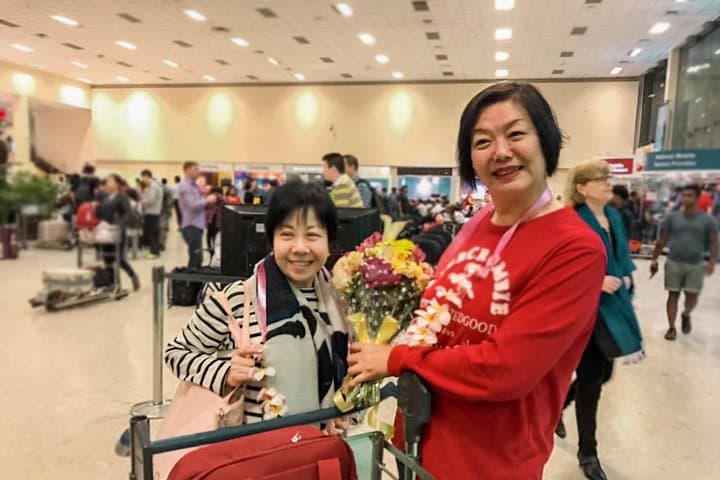
Stepping out of Bandaranaike International Airport, the air smells faintly of salt and spice; Colombo arrives fast—tuk‑tuks dart past colonial façades, the ocean’s edge at Galle Face Green stretches like an invitation, and temple bells thread through the traffic noise.
Verified experiences and guided adventures in the surrounding area.
Operated by Lakpura LLC · Colombo, Western Province
Stepping out of Bandaranaike International Airport, the air smells faintly of salt and spice; Colombo arrives fast—tuk‑tuks dart past colonial façades, the ocean’s edge at Galle Face Green stretches like an invitation, and temple bells thread through the traffic noise.
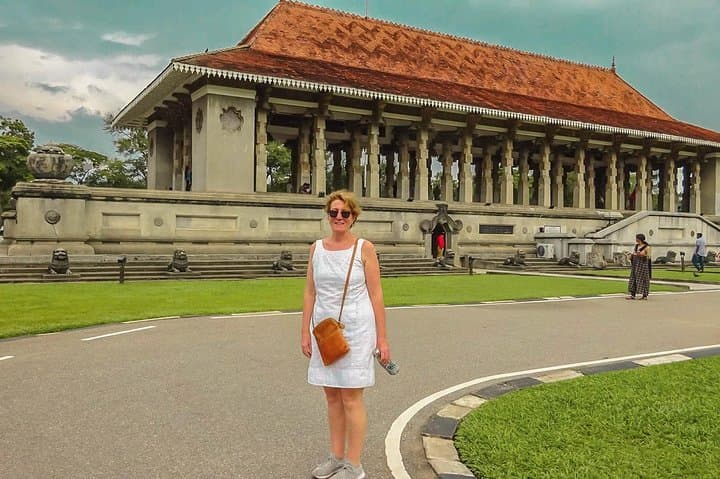
This four‑day city break moves at a measured pace: Independence Square and the Old Parliament recall Sri Lanka’s march to sovereignty in 1948, while the Colombo National Museum houses Kandyan-era regalia and ancient stonework that point to island histories far older than colonial maps. Geologically, the coast here is a low rocky fringe to a tropical plateau, shaped by Indian Ocean currents that have long dictated trade and settlement patterns. Colombo’s culture is mercantile and plural—Buddhist temples, colonial hotels, Islamic markets and Catholic churches sit within a few blocks of one another, feeding a lively street food scene and artisan workshops.
Practical guidance: plan mornings for museums and temple visits when light is best and heat is gentlest; afternoons are ideal for Galle Face Green, sunset, and seafood at local eateries. Dress respectfully for places of worship (shoulders and knees covered), carry a refillable water bottle, and expect mixed traffic—pedestrians, three‑wheelers and buses. Use an English‑speaking chauffeur or reliable ride app for efficient short hops and allow extra time for peak-hour congestion. If you want a quieter rhythm, swap a Colombo museum visit for a short trip south to Mount Lavinia beach or the Dutch Hospital precinct for cafés and craft shops. With modest walking and cultural curiosity, this compact itinerary gives a clear, practical taste of Colombo’s past and present.
easy.
4 days.
Light walking around city streets and museum visits; suitable for most fitness levels.
Yes—Colombo is generally safe in tourist areas; keep usual precautions for belongings, avoid poorly lit streets at night, and use registered taxis or hotel transfers.
Sri Lankan rupees (LKR) are used—ATMs are common in Colombo, and many restaurants accept cards, but bring cash for markets and small vendors.
Yes—most Buddhist temples require shoe removal and modest clothing; carry a bag to stash footwear and a scarf to cover shoulders.
Plan 1–2 hours for the Colombo National Museum and 30–60 minutes for smaller sites like Gangaramaya Temple; guided visits can add context and save time.
Colombo grew as a trading port under Portuguese, Dutch and British control; Independence Square commemorates Sri Lanka’s 1948 independence from British rule.
Coastal litter and single‑use plastics are local concerns—use refill stations and support businesses with sustainable practices to reduce impact.
Lakpura LLC operates guided outdoor trips and adventures with an emphasis on safety, stewardship, and memorable experiences.
Stepping out of Bandaranaike International Airport, the air smells faintly of salt and spice; Colombo arrives fast—tuk‑tuks dart past colonial façades, the ocean’s edge at Galle Face Green stretches like an invitation, and temple bells thread through the traffic noise.
Stepping out of Bandaranaike International Airport, the air smells faintly of salt and spice; Colombo arrives fast—tuk‑tuks dart past colonial façades, the ocean’s edge at Galle Face Green stretches like an invitation, and temple bells thread through the traffic noise.
This four‑day city break moves at a measured pace: Independence Square and the Old Parliament recall Sri Lanka’s march to sovereignty in 1948, while the Colombo National Museum houses Kandyan-era regalia and ancient stonework that point to island histories far older than colonial maps. Geologically, the coast here is a low rocky fringe to a tropical plateau, shaped by Indian Ocean currents that have long dictated trade and settlement patterns. Colombo’s culture is mercantile and plural—Buddhist temples, colonial hotels, Islamic markets and Catholic churches sit within a few blocks of one another, feeding a lively street food scene and artisan workshops.
Practical guidance: plan mornings for museums and temple visits when light is best and heat is gentlest; afternoons are ideal for Galle Face Green, sunset, and seafood at local eateries. Dress respectfully for places of worship (shoulders and knees covered), carry a refillable water bottle, and expect mixed traffic—pedestrians, three‑wheelers and buses. Use an English‑speaking chauffeur or reliable ride app for efficient short hops and allow extra time for peak-hour congestion. If you want a quieter rhythm, swap a Colombo museum visit for a short trip south to Mount Lavinia beach or the Dutch Hospital precinct for cafés and craft shops. With modest walking and cultural curiosity, this compact itinerary gives a clear, practical taste of Colombo’s past and present.