THE ADVENTURE COLLECTIVE® · Independent discovery and booking for outdoor travel

Climb from Lake Atitlán into Guatemala’s Western Highlands on a day that pairs colonial plazas with steam-wreathed hot springs. This 10-hour loop from Panajachel combines a crisp city visit to Quetzaltenango with a restorative soak at Fuentes Georginas.
Climb from Lake Atitlán into Guatemala’s Western Highlands on a day that pairs colonial plazas with steam-wreathed hot springs. This 10-hour loop from Panajachel combines a crisp city visit to Quetzaltenango with a restorative soak at Fuentes Georginas.
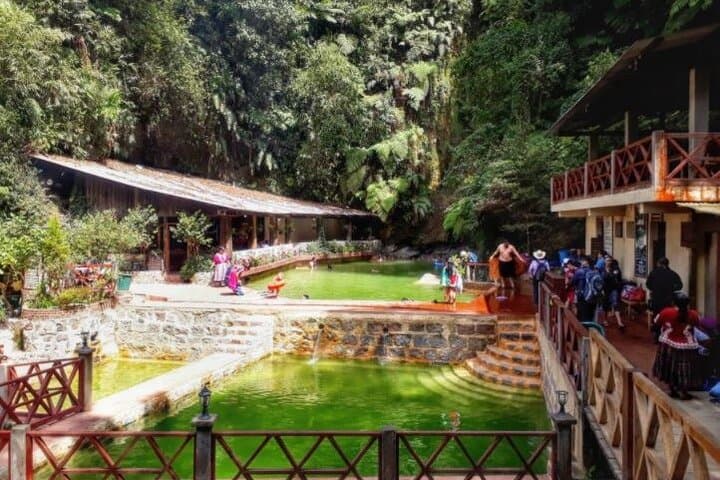
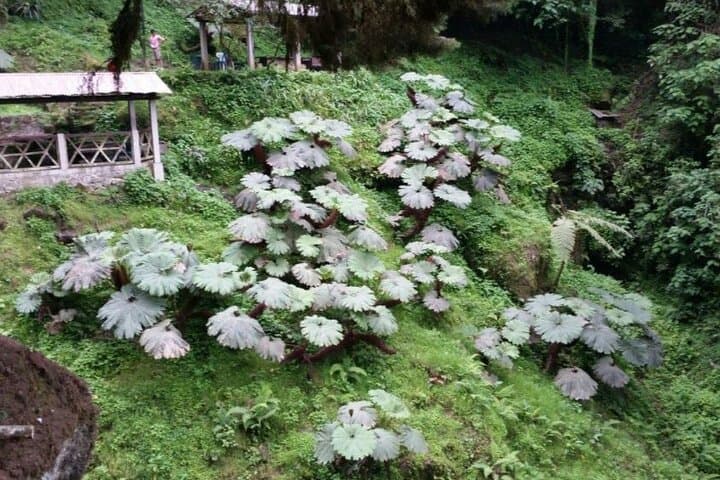
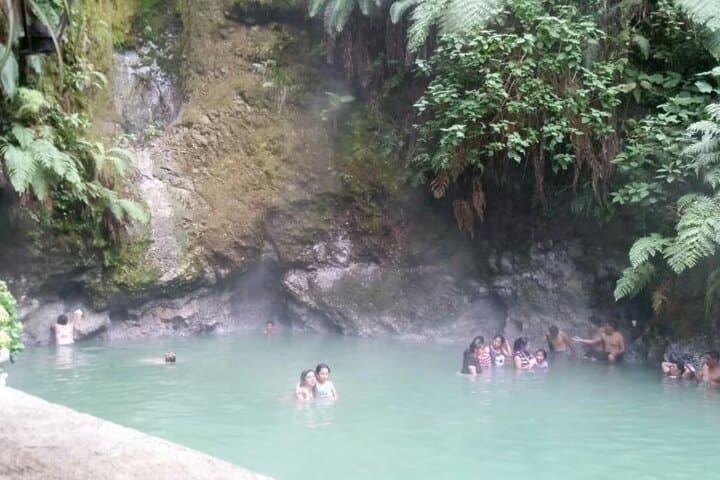
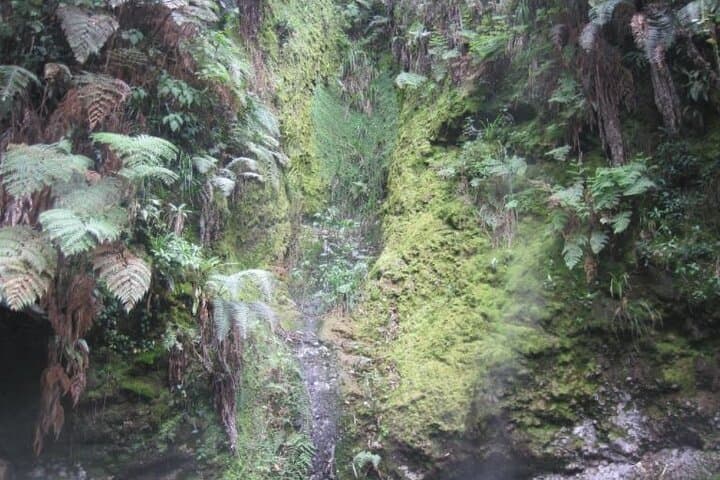
The bus peels away from Lake Atitlán and the valley squeezes shut around you: corn terraces give way to steep switchbacks, clouds settle like a lid and the road climbs into the Western Highlands. By midmorning the air has that clean, mineral bite to it—the same scent that rises off the natural pools at Fuentes Georginas. Steam threads between pines and bamboo; voices are softer here, absorbed by volcanic rock and moss. The day unfolds as a classic Highlands circuit: a short, bright visit to Quetzaltenango’s stately central plaza and cathedral, a detour to a small glass workshop, and a slow, restorative soak in sulfur-warmed water with a mountain view.
Verified experiences and guided adventures in the surrounding area.
Operated by Los Elementos Adventure Center & Day Spa · Quetzaltenango, Quetzaltenango
The bus peels away from Lake Atitlán and the valley squeezes shut around you: corn terraces give way to steep switchbacks, clouds settle like a lid and the road climbs into the Western Highlands. By midmorning the air has that clean, mineral bite to it—the same scent that rises off the natural pools at Fuentes Georginas. Steam threads between pines and bamboo; voices are softer here, absorbed by volcanic rock and moss. The day unfolds as a classic Highlands circuit: a short, bright visit to Quetzaltenango’s stately central plaza and cathedral, a detour to a small glass workshop, and a slow, restorative soak in sulfur-warmed water with a mountain view.
Quetzaltenango—known locally as Xela—was an important Kʼicheʼ and Mam Maya settlement long before colonial architecture reworked its streets. The square, bounded by the cathedral and municipal buildings, still functions as civic theater: women selling tamales ply the edges, buskers tune guitars, and the theater’s baroque facade hints at a late-19th-century cultural boom tied to coffee wealth. Geologically the region is forged by volcanic uplift; the hot springs themselves are seepage zones where rainwater, heated by residual magmatic heat, returns to the surface, creating stepped pools that locals and travelers have used for generations.
Culture here is practical and public—markets, craft workshops, and roadside eateries anchor the route—and the glass factory along the way is a reminder that craft industries pop up wherever visitors pass through. The drive, often crowned by low clouds or sudden sun, is itself part of the attraction: scenic overlooks warn you to stop for photos, while small villages offer quick snacks—fresh bread, cheeses, and strong Guatemalan coffee.
Practicalities: this is a long but low-impact day—expect about 10 hours door-to-door from Panajachel, most of it on paved and well-maintained rural roads. The soak is gentle; pools are tiered and set into a forest clearing, so bring a towel and swimwear. Temperatures change fast with elevation: dress in layers and bring a warm top for the cooler mornings and the drive home. The operator provides transport and a guide; check whether hotel pickup is included for your lodging in Panajachel.
Timing matters—if you want photography with soft light and fewer crowds, aim for the morning sets in the pools and the golden hour back in Xela for the cathedral steps. Respect local etiquette: the pools are a communal space; loud music and glass bottles are frowned upon. Finally, leave no trace—these highland ecosystems are fragile, and small choices like carrying out trash and using biodegradable sunscreen keep the springs inviting for the next traveler.
moderate.
10 hours.
Suitable for travelers in general good health—mostly sitting during transfers with short walks in town and around the pools.
The outing runs about 10 hours from the meeting point in Panajachel; exact departure time varies by operator and season—confirm at booking.
Entry to the hot springs is included per the itinerary; bring your own swimwear and towel as rentals may be limited.
Pickup is offered from selected Panajachel hotels—confirm when booking to see if your property is served.
Yes—information lists the tour as suitable for all fitness levels, but children must be accompanied by an adult and some mobility is required for steps and short walks.
Bring layers, water, snacks, swimwear, sun protection, and modest cash for market purchases and tips.
The operator requires a minimum of four people per booking—check cancellation policies if your group is smaller.
Quetzaltenango (Xela) grew from Maya highland settlements into a colonial and later coffee-era cultural center; the hot springs have long been used by locals and visitors for their reputed health benefits.
The highland forests and water sources are sensitive—use biodegradable products, pack out trash, and support local businesses to reduce the visitor footprint.
Los Elementos Adventure Center & Day Spa operates guided outdoor trips and adventures with an emphasis on safety, stewardship, and memorable experiences.
The bus peels away from Lake Atitlán and the valley squeezes shut around you: corn terraces give way to steep switchbacks, clouds settle like a lid and the road climbs into the Western Highlands. By midmorning the air has that clean, mineral bite to it—the same scent that rises off the natural pools at Fuentes Georginas. Steam threads between pines and bamboo; voices are softer here, absorbed by volcanic rock and moss. The day unfolds as a classic Highlands circuit: a short, bright visit to Quetzaltenango’s stately central plaza and cathedral, a detour to a small glass workshop, and a slow, restorative soak in sulfur-warmed water with a mountain view.
The bus peels away from Lake Atitlán and the valley squeezes shut around you: corn terraces give way to steep switchbacks, clouds settle like a lid and the road climbs into the Western Highlands. By midmorning the air has that clean, mineral bite to it—the same scent that rises off the natural pools at Fuentes Georginas. Steam threads between pines and bamboo; voices are softer here, absorbed by volcanic rock and moss. The day unfolds as a classic Highlands circuit: a short, bright visit to Quetzaltenango’s stately central plaza and cathedral, a detour to a small glass workshop, and a slow, restorative soak in sulfur-warmed water with a mountain view.
Quetzaltenango—known locally as Xela—was an important Kʼicheʼ and Mam Maya settlement long before colonial architecture reworked its streets. The square, bounded by the cathedral and municipal buildings, still functions as civic theater: women selling tamales ply the edges, buskers tune guitars, and the theater’s baroque facade hints at a late-19th-century cultural boom tied to coffee wealth. Geologically the region is forged by volcanic uplift; the hot springs themselves are seepage zones where rainwater, heated by residual magmatic heat, returns to the surface, creating stepped pools that locals and travelers have used for generations.
Culture here is practical and public—markets, craft workshops, and roadside eateries anchor the route—and the glass factory along the way is a reminder that craft industries pop up wherever visitors pass through. The drive, often crowned by low clouds or sudden sun, is itself part of the attraction: scenic overlooks warn you to stop for photos, while small villages offer quick snacks—fresh bread, cheeses, and strong Guatemalan coffee.
Practicalities: this is a long but low-impact day—expect about 10 hours door-to-door from Panajachel, most of it on paved and well-maintained rural roads. The soak is gentle; pools are tiered and set into a forest clearing, so bring a towel and swimwear. Temperatures change fast with elevation: dress in layers and bring a warm top for the cooler mornings and the drive home. The operator provides transport and a guide; check whether hotel pickup is included for your lodging in Panajachel.
Timing matters—if you want photography with soft light and fewer crowds, aim for the morning sets in the pools and the golden hour back in Xela for the cathedral steps. Respect local etiquette: the pools are a communal space; loud music and glass bottles are frowned upon. Finally, leave no trace—these highland ecosystems are fragile, and small choices like carrying out trash and using biodegradable sunscreen keep the springs inviting for the next traveler.