THE ADVENTURE COLLECTIVE® · Independent discovery and booking for outdoor travel

An early-morning truck ride into Rey Tepepul’s cloud forest puts you in prime territory for Resplendent Quetzal sightings and rich birdlife. This 5-hour guided tour blends local knowledge, short hikes, and focused watching for photographers and avid birders.
An early-morning truck ride into Rey Tepepul’s cloud forest puts you in prime territory for Resplendent Quetzal sightings and rich birdlife. This 5-hour guided tour blends local knowledge, short hikes, and focused watching for photographers and avid birders.
A cool pre-dawn hush sits over the rim of Lake Atitlán as a battered local truck rumbles up into mist—your first step into Rey Tepepul’s cloud forest. Pine trunks and mossed oaks close in, and every pause in the undergrowth feels like a held breath waiting for a flash of emerald and scarlet. Guides scan the canopy with experienced patience; the Resplendent Quetzal is shy but habitual here, and early mornings are when the forest gives up its secrets.
Verified experiences and guided adventures in the surrounding area.
Operated by Connections Guatemala Travel · Santiago Atitlán, Sololá Department
A cool pre-dawn hush sits over the rim of Lake Atitlán as a battered local truck rumbles up into mist—your first step into Rey Tepepul’s cloud forest. Pine trunks and mossed oaks close in, and every pause in the undergrowth feels like a held breath waiting for a flash of emerald and scarlet. Guides scan the canopy with experienced patience; the Resplendent Quetzal is shy but habitual here, and early mornings are when the forest gives up its secrets.
The slopes above Santiago Atitlán are volcanic in origin—steep, fertile soils carved by past eruptions and fed by Andean humidity that creates the cloud cover birdlife prefers. Santiago Atitlán itself is a Tz’utujil Maya town where traditional dress and markets recall a living culture that has used these forests for wood, medicine, and ritual for centuries. Small-group guides blend natural-history knowledge with local lore, placing sightings in both ecological and cultural context.
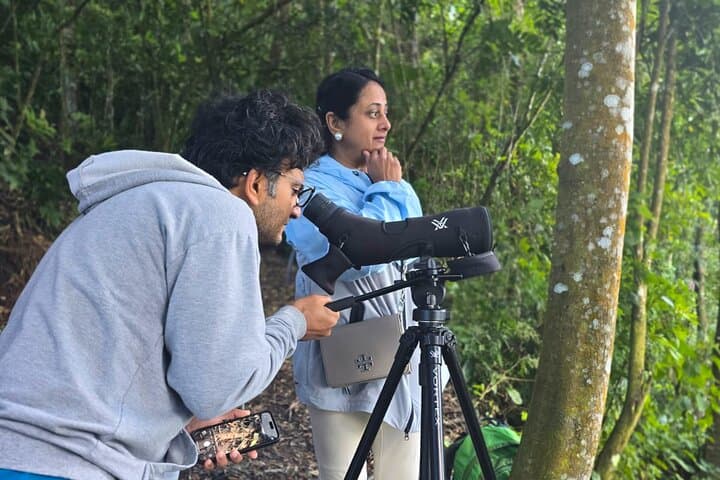
Expect a 5-hour outing that mixes quiet trail hiking with long stationary watches; terrain is uneven, muddy when wet, and requires steady footing. Photography benefits from fast lenses and patience; bring layers for cold mornings and a rain shell for sudden showers. Guides provide local transport and telescope access, and groups are capped to maximize sighting opportunities without stressing habitat. Leave no trace, follow your guide’s distance rules around nests, and plan for early pickup—this is a dawn game of patience rewarded by vivid color, close views, and the sound of a cloud forest alive.
moderate.
5 hours.
Moderate fitness; comfortable walking on uneven, often muddy trails for several hours
Early morning during the dry season (roughly November–April) offers the best visibility and higher chance of sightings, though quetzals can be seen year-round.
Trails are rated easy to moderate: uneven, sometimes steep and muddy; participants should be comfortable with 1–3 miles of hiking and 400–800 ft of cumulative elevation changes.
Yes—children are allowed but must be supervised; the activity requires quiet patience and some walking, so assess your child’s comfort with early starts and forest conditions.
Yes—local hotel pickup in Santiago Atitlán is included; confirm your pickup point at booking since departures are early.
The slopes above Santiago Atitlán have long been used by the Tz’utujil Maya for resource gathering; the town retains strong indigenous culture shaped by the lake and volcanism.
The municipal reserve protects cloud-forest habitats critical for endemic and migratory birds; stay on trails, avoid calling birds, and support local guides who contribute to conservation fees.
Connections Guatemala Travel operates guided outdoor trips and adventures with an emphasis on safety, stewardship, and memorable experiences.
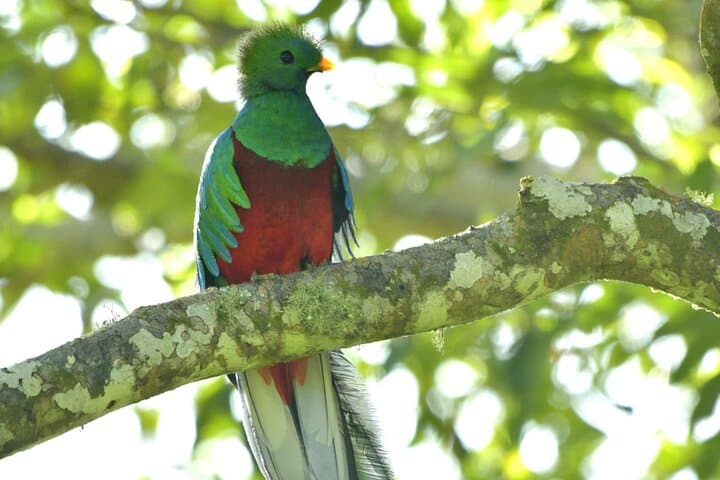
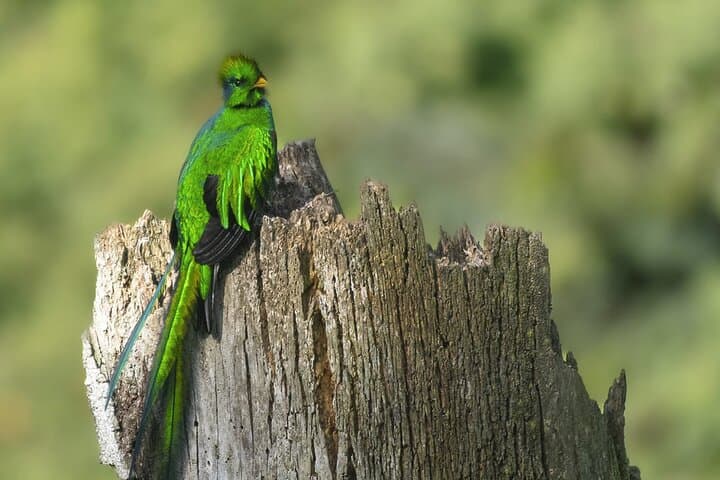
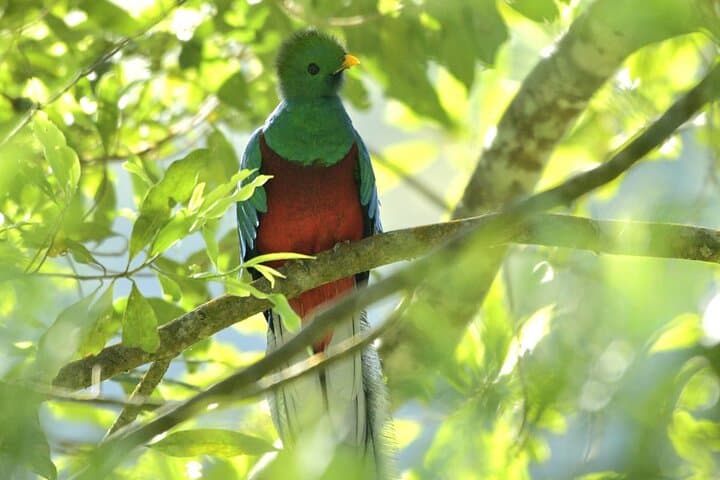
A cool pre-dawn hush sits over the rim of Lake Atitlán as a battered local truck rumbles up into mist—your first step into Rey Tepepul’s cloud forest. Pine trunks and mossed oaks close in, and every pause in the undergrowth feels like a held breath waiting for a flash of emerald and scarlet. Guides scan the canopy with experienced patience; the Resplendent Quetzal is shy but habitual here, and early mornings are when the forest gives up its secrets.
A cool pre-dawn hush sits over the rim of Lake Atitlán as a battered local truck rumbles up into mist—your first step into Rey Tepepul’s cloud forest. Pine trunks and mossed oaks close in, and every pause in the undergrowth feels like a held breath waiting for a flash of emerald and scarlet. Guides scan the canopy with experienced patience; the Resplendent Quetzal is shy but habitual here, and early mornings are when the forest gives up its secrets.
The slopes above Santiago Atitlán are volcanic in origin—steep, fertile soils carved by past eruptions and fed by Andean humidity that creates the cloud cover birdlife prefers. Santiago Atitlán itself is a Tz’utujil Maya town where traditional dress and markets recall a living culture that has used these forests for wood, medicine, and ritual for centuries. Small-group guides blend natural-history knowledge with local lore, placing sightings in both ecological and cultural context.
Expect a 5-hour outing that mixes quiet trail hiking with long stationary watches; terrain is uneven, muddy when wet, and requires steady footing. Photography benefits from fast lenses and patience; bring layers for cold mornings and a rain shell for sudden showers. Guides provide local transport and telescope access, and groups are capped to maximize sighting opportunities without stressing habitat. Leave no trace, follow your guide’s distance rules around nests, and plan for early pickup—this is a dawn game of patience rewarded by vivid color, close views, and the sound of a cloud forest alive.