THE ADVENTURE COLLECTIVE® · Independent discovery and booking for outdoor travel

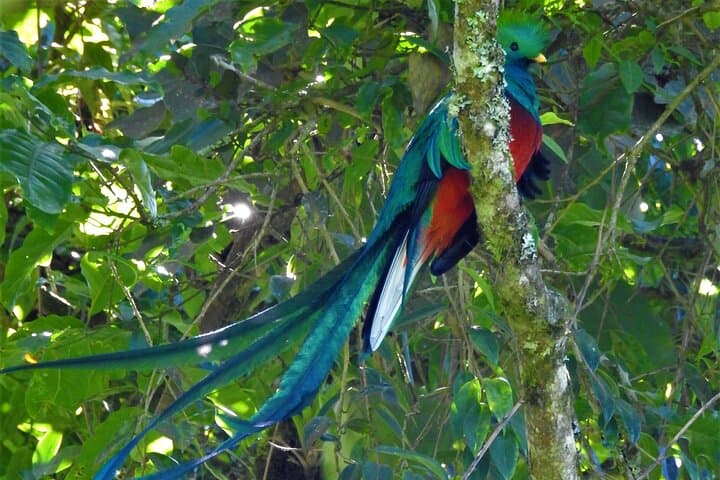
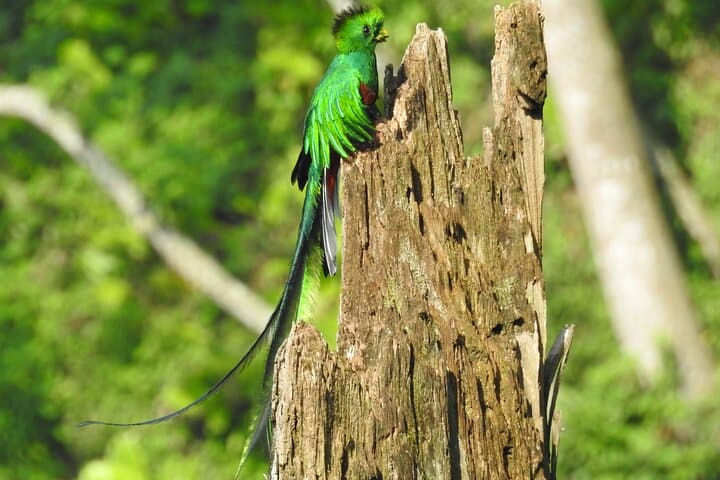
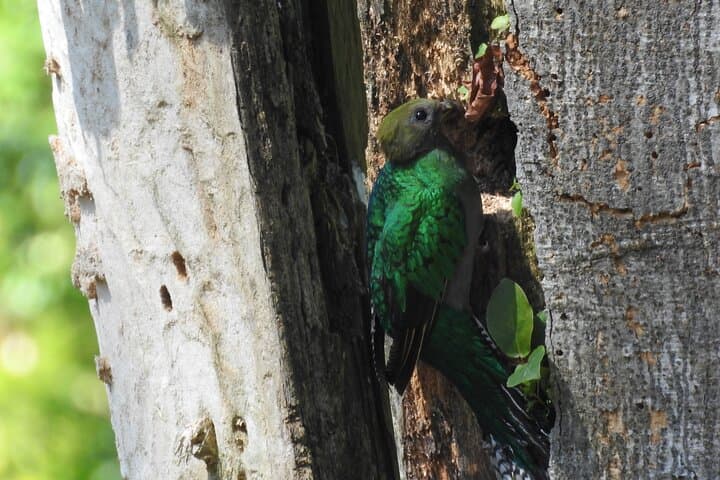
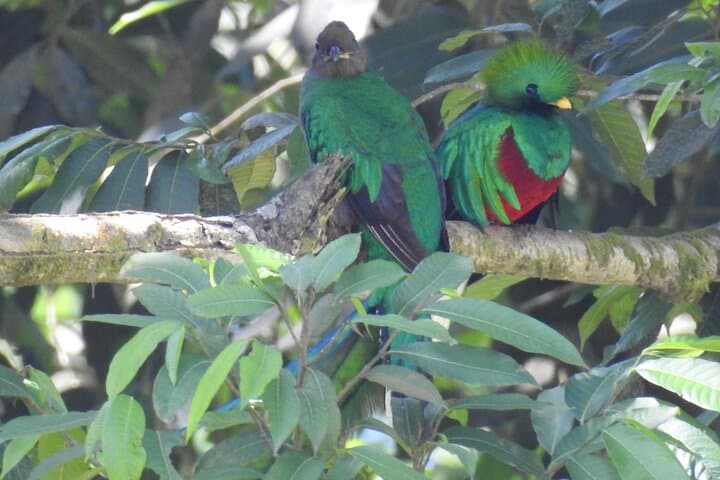
A guided birding walk from Santiago Atitlán into the Rey Tepepul cloud forest searching for resplendent quetzal and montane specialists. Expect mossy trails, stream crossings, and expert local guides who know where the birds concentrate.
A guided birding walk from Santiago Atitlán into the Rey Tepepul cloud forest searching for resplendent quetzal and montane specialists. Expect mossy trails, stream crossings, and expert local guides who know where the birds concentrate.
Mist hangs low over the trunks as a skiff parts Lake Atitlán’s glassy skin and pushes toward Santiago Atitlán. You step ashore, boots sinking slightly on damp soil, and the trail climbs into a cloud forest where moss drips from branches and a river threads the valley, daring you to keep pace.
Verified experiences and guided adventures in the surrounding area.
Operated by Atitlan Adventure Tours · Santiago Atitlán, Sololá
Mist hangs low over the trunks as a skiff parts Lake Atitlán’s glassy skin and pushes toward Santiago Atitlán. You step ashore, boots sinking slightly on damp soil, and the trail climbs into a cloud forest where moss drips from branches and a river threads the valley, daring you to keep pace.
The Rey Tepepul trail sits on the eastern rim of the lake’s volcanic basin, a corridor where Pacific slopes meet highland forest. The Tz'utujil Maya have lived around these shores for centuries; their villages and markets remain active cultural touchstones. Geologically, Atitlán is a caldera lake formed by massive eruptions; surrounding ridges host the humid, montane forest that resplendent quetzals favor.
Guides move deliberately here, scanning mossy canopies for flashes of emerald and red. Beyond quetzals, expect tanagers, trogons, guans and an array of hummingbirds; trails cross small streams and rise intermittently over roots and wet rock. The walk is roughly 3 km on mixed dirt and root-strewn trail and commonly takes about three hours one-way with stops for observation.
Practical edge: arrive early to catch the most active bird window, wear grippy footwear and layers for sudden fog and light rain, and bring water and snacks—there are no services on the reserve. Local guides provide binoculars if needed and know the microhabitats where target species gather. Respect local farms you pass through, keep voices low, and stay on the marked path to protect nesting birds and fragile understory.
moderate.
3–6 hours.
Moderate fitness required—steady uphill walking with short steep sections; be comfortable on uneven, wet terrain.
Guides know prime microhabitats and sightings are common during breeding season (roughly March–June), but wild birds aren’t guaranteed—patience improves chances.
Yes—most itineraries include a short boat ride to Santiago Atitlán followed by a road transfer to the Rey Tepepul trailhead.
The operator advises that pregnant travelers and those with heart issues avoid this tour; children with good stamina can manage short sections but expect uneven footing.
The tour requires a minimum of two people per booking according to the operator's policy.
Santiago Atitlán is a center of Tz'utujil Maya culture; communities around the lake maintain traditional crafts and ceremonies tied to the highland landscape.
Cloud forests here are ecologically sensitive—stick to trails, avoid single-use plastics, and support local guides who contribute to conservation-minded tourism.
Atitlan Adventure Tours operates guided outdoor trips and adventures with an emphasis on safety, stewardship, and memorable experiences.
Mist hangs low over the trunks as a skiff parts Lake Atitlán’s glassy skin and pushes toward Santiago Atitlán. You step ashore, boots sinking slightly on damp soil, and the trail climbs into a cloud forest where moss drips from branches and a river threads the valley, daring you to keep pace.
Mist hangs low over the trunks as a skiff parts Lake Atitlán’s glassy skin and pushes toward Santiago Atitlán. You step ashore, boots sinking slightly on damp soil, and the trail climbs into a cloud forest where moss drips from branches and a river threads the valley, daring you to keep pace.
The Rey Tepepul trail sits on the eastern rim of the lake’s volcanic basin, a corridor where Pacific slopes meet highland forest. The Tz'utujil Maya have lived around these shores for centuries; their villages and markets remain active cultural touchstones. Geologically, Atitlán is a caldera lake formed by massive eruptions; surrounding ridges host the humid, montane forest that resplendent quetzals favor.
Guides move deliberately here, scanning mossy canopies for flashes of emerald and red. Beyond quetzals, expect tanagers, trogons, guans and an array of hummingbirds; trails cross small streams and rise intermittently over roots and wet rock. The walk is roughly 3 km on mixed dirt and root-strewn trail and commonly takes about three hours one-way with stops for observation.
Practical edge: arrive early to catch the most active bird window, wear grippy footwear and layers for sudden fog and light rain, and bring water and snacks—there are no services on the reserve. Local guides provide binoculars if needed and know the microhabitats where target species gather. Respect local farms you pass through, keep voices low, and stay on the marked path to protect nesting birds and fragile understory.