THE ADVENTURE COLLECTIVE® · Independent discovery and booking for outdoor travel

Walk from Quasano into a compact oak forest and karst fields overlooking the Adriatic. This three-hour excursion through Alta Murgia combines pastoral history, rare orchids and easy trails suited to most hikers.
Walk from Quasano into a compact oak forest and karst fields overlooking the Adriatic. This three-hour excursion through Alta Murgia combines pastoral history, rare orchids and easy trails suited to most hikers.
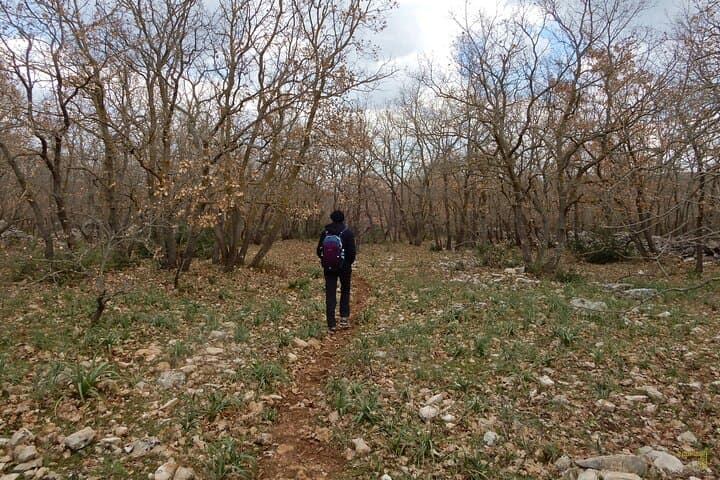
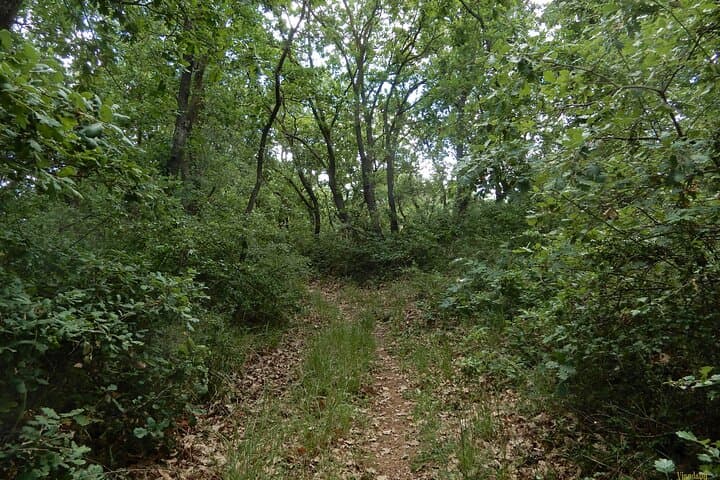
You step off the stone lane in Quasano and the world opens into low karst ridges and an oak canopy that cools the air like a living roof.
Verified experiences and guided adventures in the surrounding area.
Operated by Viandanti del Sud · Toritto, Apulia
You step off the stone lane in Quasano and the world opens into low karst ridges and an oak canopy that cools the air like a living roof.
The walk begins at the hamlet’s monumental Tree of the Lie, a local landmark, and threads into thick Quercus woods punctuated by grazing cows and the distant sightline to the Adriatic. Underfoot the ground alternates between compact earth and limestone blades — the karst that defines the Alta Murgia — where shepherds once drove flocks and built jazzi, low circular pens whose ruins still pepper the fields.
This part of Puglia blends human history and geology: terraces, ancient masserie and dry-stone ruins speak to transhumance routes, while limestone pavements and shallow dolines shape microhabitats for rare orchids, aromatic herbs and dragonflies that favor seasonal ponds.
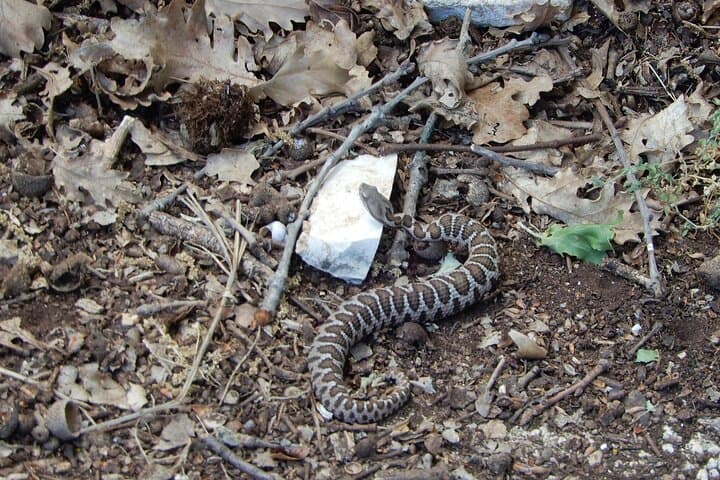
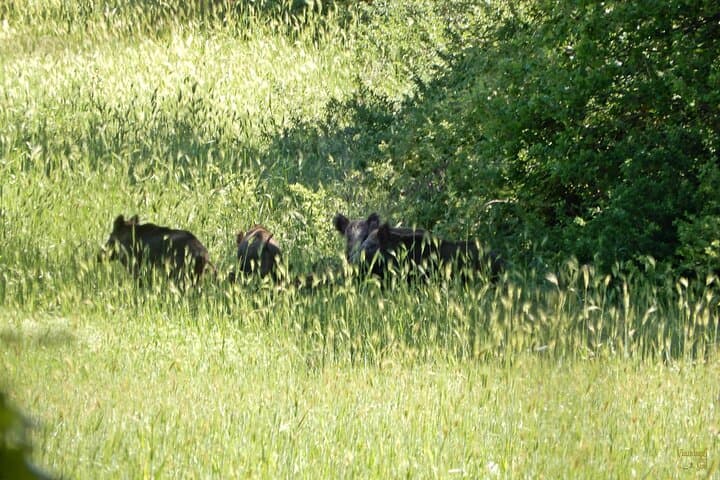
Expect easy, mostly shaded trails across a three-hour loop that climbs short panoramic ribs to sea views and drops into wet hollows alive with amphibians. Wildlife sightings commonly include wild boar rooting at dusk and kestrels quartering the slopes by day. Local culture appears in small details — almonds from Toritto offered as a snack and the scent of rosemary on the breeze.
Practical guidance: wear sturdy shoes for uneven karst, bring water and sun protection for exposed hilltops, and time your visit for spring or fall to catch orchids and avoid mid-summer heat. Respect grazing areas and leave gates as found; these are working pastoral landscapes as well as protected ecosystems.
easy.
3 hours.
Suitable for most fitness levels; short, gentle climbs and mostly even paths mean basic endurance and mobility are sufficient.
The guided walk lasts about three hours and is rated easy: short climbs and largely shaded paths make it accessible to most visitors.
Facilities in Quasano and Toritto are limited; bring snacks (local almond offered on tour) and use facilities in town before departing.
Yes — spring brings orchids and amphibians; bird of prey sightings and wild boar are possible year-round, with more activity at dawn and dusk.
The route is family-friendly and some parts are stroller-accessible, but uneven karst sections may be challenging for full-size strollers.
The area preserves traces of transhumance: masserie and jazzi used historically for seasonal sheep and cattle management linking inland pastures to coastal plains.
Alta Murgia is a protected park; stick to trails, avoid trampling orchid sites and respect grazing livestock to minimize impact.
Viandanti del Sud operates guided outdoor trips and adventures with an emphasis on safety, stewardship, and memorable experiences.
You step off the stone lane in Quasano and the world opens into low karst ridges and an oak canopy that cools the air like a living roof.
You step off the stone lane in Quasano and the world opens into low karst ridges and an oak canopy that cools the air like a living roof.
The walk begins at the hamlet’s monumental Tree of the Lie, a local landmark, and threads into thick Quercus woods punctuated by grazing cows and the distant sightline to the Adriatic. Underfoot the ground alternates between compact earth and limestone blades — the karst that defines the Alta Murgia — where shepherds once drove flocks and built jazzi, low circular pens whose ruins still pepper the fields.
This part of Puglia blends human history and geology: terraces, ancient masserie and dry-stone ruins speak to transhumance routes, while limestone pavements and shallow dolines shape microhabitats for rare orchids, aromatic herbs and dragonflies that favor seasonal ponds.
Expect easy, mostly shaded trails across a three-hour loop that climbs short panoramic ribs to sea views and drops into wet hollows alive with amphibians. Wildlife sightings commonly include wild boar rooting at dusk and kestrels quartering the slopes by day. Local culture appears in small details — almonds from Toritto offered as a snack and the scent of rosemary on the breeze.
Practical guidance: wear sturdy shoes for uneven karst, bring water and sun protection for exposed hilltops, and time your visit for spring or fall to catch orchids and avoid mid-summer heat. Respect grazing areas and leave gates as found; these are working pastoral landscapes as well as protected ecosystems.