THE ADVENTURE COLLECTIVE® · Independent discovery and booking for outdoor travel

A hands-on agroforest tour outside Quepos that pairs wildlife-side walks with cacao fermentation, coffee demos and a sugarcane trapiche. Expect tasting, light walking and a compact chocolate factory visit.
A hands-on agroforest tour outside Quepos that pairs wildlife-side walks with cacao fermentation, coffee demos and a sugarcane trapiche. Expect tasting, light walking and a compact chocolate factory visit.
A warm, humid breeze carries the smell of wet earth and roasting beans as guests step off the van near Quepos. The tour moves through a working agroforest where cacao pods hang low and sugarcane rows rustle like a chorus. Guides lead small groups past shaded plots and into a compact chocolate factory where the raw fruit is turned into thick, aromatic chocolate and samples are passed around.
Verified experiences and guided adventures in the surrounding area.
Operated by Jungle Night Tour Manuel Antonio · Quepos, Puntarenas
A warm, humid breeze carries the smell of wet earth and roasting beans as guests step off the van near Quepos. The tour moves through a working agroforest where cacao pods hang low and sugarcane rows rustle like a chorus. Guides lead small groups past shaded plots and into a compact chocolate factory where the raw fruit is turned into thick, aromatic chocolate and samples are passed around.
The experience situates cacao and coffee inside Costa Rica’s colonial and agricultural history: cacao once moved in pre-Columbian trade and coffee later shaped national identity and export economies. Geologically this part of Puntarenas rests on volcanic soils and alluvial terraces that give cacao and coffee their particular flavors. Cultural elements — from the trapiche sugar mill to the café chorreado method — show local foodways and small-farm techniques that persist today.
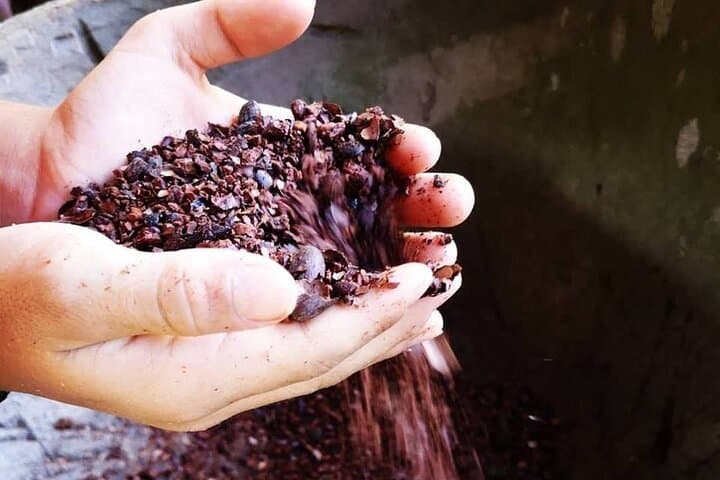
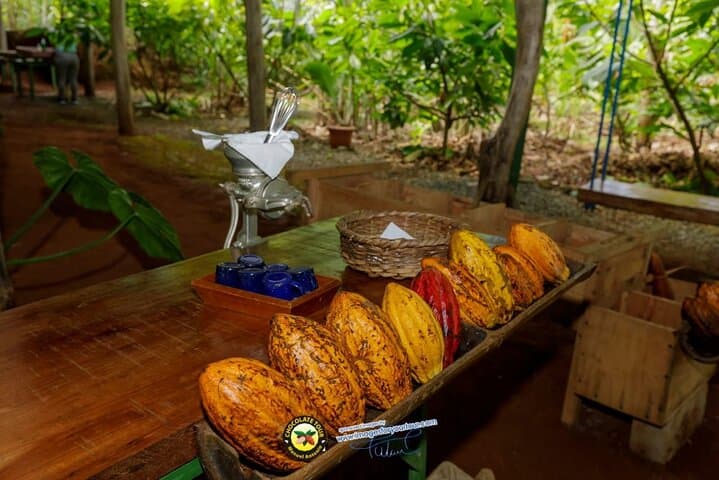
Visitors can expect hands-on demonstrations: harvesting a pod, observing fermentation, tasting roasted beans and trying traditional sugarcane candy. The new medicinal plants garden adds botanical context, showing native remedies and uses.
Practically, the tour runs about two hours on-site (total drive-and-tour time ~2.5 hours). Paths are mostly packed earth with brief uneven sections; light walking and standing are required. Bring sun protection and insect repellent, and plan the visit for morning to avoid heat and afternoon showers during the rainy season. Photography is welcomed but respect processing areas and machinery. The outing suits curious travelers who want accessible, sensory learning about Costa Rican produce, craftsmanship and rural life without a long hike or strenuous activity.
easy.
2–3 hours.
Suitable for most fitness levels; requires short periods of standing and easy walking on uneven ground.
The guided portion on site is about two hours; total time including driving is roughly 2.5 hours.
Yes—families are welcome; the site is stroller-accessible and demonstrations are hands-on but supervise kids around machinery.
Yes—chocolate samples, coffee tastings and sugarcane candy are typically provided as part of the tour.
This listing notes no transport by default; check the booking page for optional pickup or plan to arrive from Quepos/Manuel Antonio.
Cacao and coffee have long shaped Costa Rica’s rural economies; coffee exports in the 19th century propelled infrastructure and cultural practices like café chorreado.
Small farms here often use shade-grown methods that preserve canopy and bird habitat; visitors should follow leave-no-trace practices and avoid single-use plastics.
Jungle Night Tour Manuel Antonio operates guided outdoor trips and adventures with an emphasis on safety, stewardship, and memorable experiences.
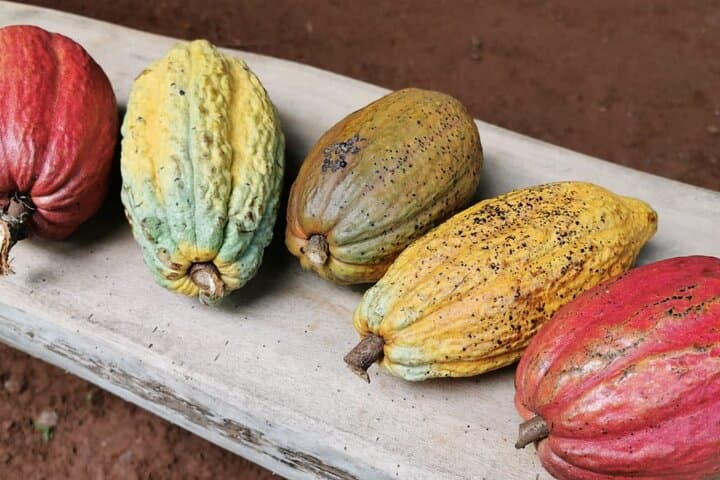
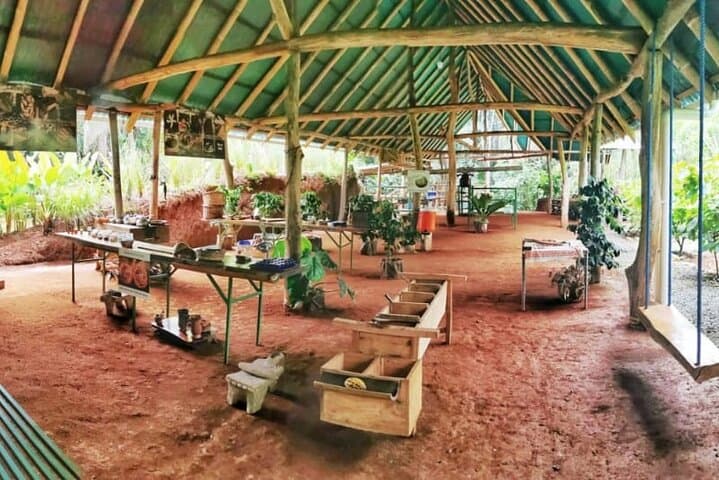
A warm, humid breeze carries the smell of wet earth and roasting beans as guests step off the van near Quepos. The tour moves through a working agroforest where cacao pods hang low and sugarcane rows rustle like a chorus. Guides lead small groups past shaded plots and into a compact chocolate factory where the raw fruit is turned into thick, aromatic chocolate and samples are passed around.
A warm, humid breeze carries the smell of wet earth and roasting beans as guests step off the van near Quepos. The tour moves through a working agroforest where cacao pods hang low and sugarcane rows rustle like a chorus. Guides lead small groups past shaded plots and into a compact chocolate factory where the raw fruit is turned into thick, aromatic chocolate and samples are passed around.
The experience situates cacao and coffee inside Costa Rica’s colonial and agricultural history: cacao once moved in pre-Columbian trade and coffee later shaped national identity and export economies. Geologically this part of Puntarenas rests on volcanic soils and alluvial terraces that give cacao and coffee their particular flavors. Cultural elements — from the trapiche sugar mill to the café chorreado method — show local foodways and small-farm techniques that persist today.
Visitors can expect hands-on demonstrations: harvesting a pod, observing fermentation, tasting roasted beans and trying traditional sugarcane candy. The new medicinal plants garden adds botanical context, showing native remedies and uses.
Practically, the tour runs about two hours on-site (total drive-and-tour time ~2.5 hours). Paths are mostly packed earth with brief uneven sections; light walking and standing are required. Bring sun protection and insect repellent, and plan the visit for morning to avoid heat and afternoon showers during the rainy season. Photography is welcomed but respect processing areas and machinery. The outing suits curious travelers who want accessible, sensory learning about Costa Rican produce, craftsmanship and rural life without a long hike or strenuous activity.