THE ADVENTURE COLLECTIVE® · Independent discovery and booking for outdoor travel

A compact, hands‑on tour that walks you through cacao, coffee and sugar‑cane production near Quepos. Expect tastings, demonstrations and a short stroll through plantation and medicinal gardens.
A compact, hands‑on tour that walks you through cacao, coffee and sugar‑cane production near Quepos. Expect tastings, demonstrations and a short stroll through plantation and medicinal gardens.
You step from the air‑conditioned van into a humid patch of rainforest light; the scent of cacao fermenting hangs sweet in the air and a narrow dirt path leads toward a low building where the day's work begins.
Verified experiences and guided adventures in the surrounding area.
Operated by Terra Travel Costa Rica · Quepos, Puntarenas
You step from the air‑conditioned van into a humid patch of rainforest light; the scent of cacao fermenting hangs sweet in the air and a narrow dirt path leads toward a low building where the day's work begins.
The tour strings together three living trades: cacao, coffee and the trapiche sugar‑mill. Cacao's journey is presented from pod to paste — harvesting, fermenting and stone‑grinding — and you taste fresh chocolate in stages. Coffee follows as a cultural engine for Costa Rica: displays of traditional tools and a demonstration of Café‑Chorreado explain how beans shaped local economies and daily ritual. The trapiche is the finale, where cane is pressed and local sweets (dulce, miel, espumas) are prepared by hand.
Geologically, the Puntarenas coast’s volcanic soils and consistent rainfall create conditions favorable for cacao and coffee — you’ll notice the dark, loamy earth and understory plants in the medicinal garden that was recently added to the itinerary.
Expect a hands‑on pace rather than a long hike: demonstrations, tasting stations and short walks between plots. Guides explain fermentation chemistry and traditional techniques; questions are welcome. Photography is allowed but follow the guide for safety around milling equipment.
Practical tips: wear closed‑toe shoes for uneven ground, bring sunscreen and insect repellent, and plan for about two hours total including round‑trip transport from Quepos/Manuel Antonio. This is an accessible cultural‑agricultural experience suited to families and curious travelers wanting a direct look at how Costa Rica grows its most beloved foods.
easy.
2 hours.
Minimal fitness required; suitable for most adults and children able to walk short uneven stretches
Yes—this rate includes air‑conditioned transportation from designated pickup points in Quepos/Manuel Antonio as specified at booking.
Yes—chocolate sampling and coffee tasting are included; trapiche sweets are typically sampled as part of the tour.
Yes—it's family friendly with short walks and hands‑on demonstrations, though infants should be kept clear of milling equipment.
Yes—most tours offer locally made chocolate, candies and coffee for sale; small‑scale vendors may prefer cash.
Cacao and coffee have long been part of Costa Rican rural economies; small trapiche mills reflect traditional sugar‑cane processing that predates industrialization.
Support small producers who prioritize shade‑grown cacao and coffee; tours that limit group size and follow farm biosecurity help reduce environmental impact.
Terra Travel Costa Rica operates guided outdoor trips and adventures with an emphasis on safety, stewardship, and memorable experiences.


You step from the air‑conditioned van into a humid patch of rainforest light; the scent of cacao fermenting hangs sweet in the air and a narrow dirt path leads toward a low building where the day's work begins.
You step from the air‑conditioned van into a humid patch of rainforest light; the scent of cacao fermenting hangs sweet in the air and a narrow dirt path leads toward a low building where the day's work begins.
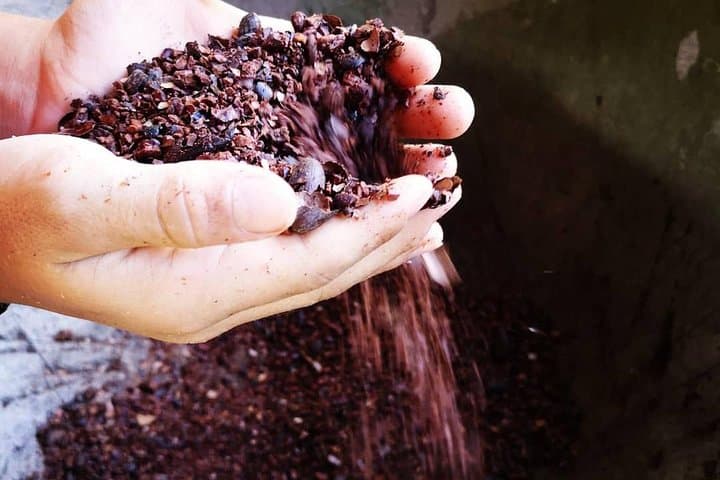
The tour strings together three living trades: cacao, coffee and the trapiche sugar‑mill. Cacao's journey is presented from pod to paste — harvesting, fermenting and stone‑grinding — and you taste fresh chocolate in stages. Coffee follows as a cultural engine for Costa Rica: displays of traditional tools and a demonstration of Café‑Chorreado explain how beans shaped local economies and daily ritual. The trapiche is the finale, where cane is pressed and local sweets (dulce, miel, espumas) are prepared by hand.
Geologically, the Puntarenas coast’s volcanic soils and consistent rainfall create conditions favorable for cacao and coffee — you’ll notice the dark, loamy earth and understory plants in the medicinal garden that was recently added to the itinerary.
Expect a hands‑on pace rather than a long hike: demonstrations, tasting stations and short walks between plots. Guides explain fermentation chemistry and traditional techniques; questions are welcome. Photography is allowed but follow the guide for safety around milling equipment.
Practical tips: wear closed‑toe shoes for uneven ground, bring sunscreen and insect repellent, and plan for about two hours total including round‑trip transport from Quepos/Manuel Antonio. This is an accessible cultural‑agricultural experience suited to families and curious travelers wanting a direct look at how Costa Rica grows its most beloved foods.