THE ADVENTURE COLLECTIVE® · Independent discovery and booking for outdoor travel

Spend a day from Lisbon exploring the royal halls of Queluz, the Romantic streets of Sintra, the windswept cliffs of Cabo da Roca and the seaside charm of Cascais. This small-group tour mixes history, geology and coastal drama into an eight-hour itinerary.
Spend a day from Lisbon exploring the royal halls of Queluz, the Romantic streets of Sintra, the windswept cliffs of Cabo da Roca and the seaside charm of Cascais. This small-group tour mixes history, geology and coastal drama into an eight-hour itinerary.
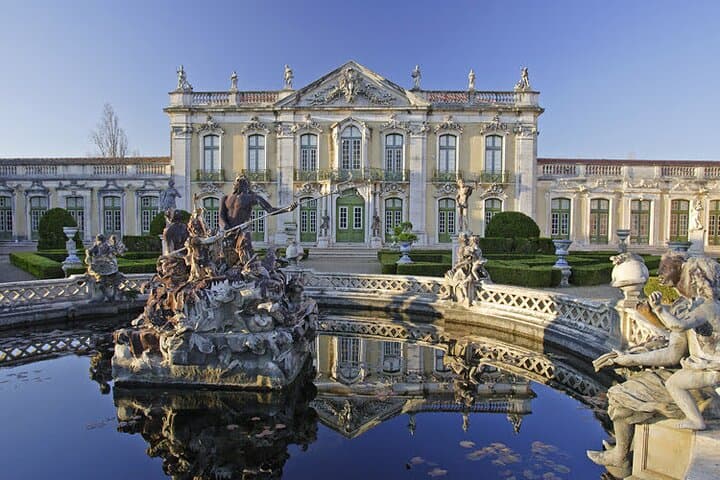
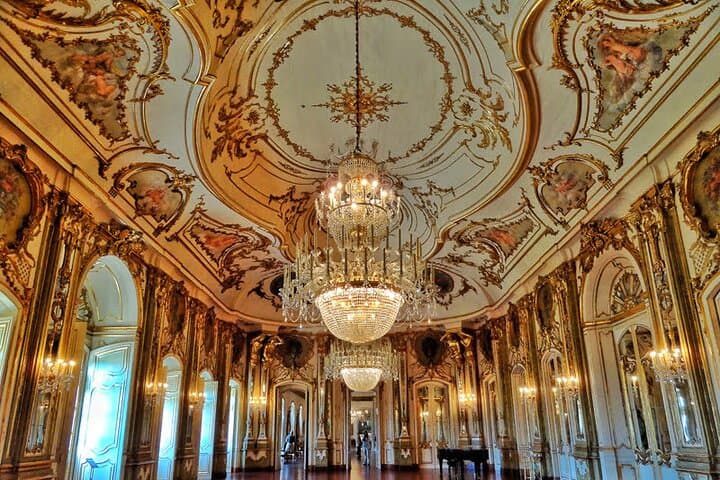
A morning in Queluz begins with the hush of clipped hedges and the echo of footsteps on marble. The palace—its facades pale and ornamented—opens like a chapter on Portugal’s royal ambitions: mirrored salons, frescoed ceilings and a garden that pushes toward the suburbs. From there the road climbs into the Serra de Sintra, where granite outcrops and a cool microclimate insist the visitor slow down, breathe, and look for the faint damp smell of eucalyptus that hangs over the pines.
Verified experiences and guided adventures in the surrounding area.
Operated by Neo Portugal Tours · Sintra, Lisbon District
A morning in Queluz begins with the hush of clipped hedges and the echo of footsteps on marble. The palace—its facades pale and ornamented—opens like a chapter on Portugal’s royal ambitions: mirrored salons, frescoed ceilings and a garden that pushes toward the suburbs. From there the road climbs into the Serra de Sintra, where granite outcrops and a cool microclimate insist the visitor slow down, breathe, and look for the faint damp smell of eucalyptus that hangs over the pines.
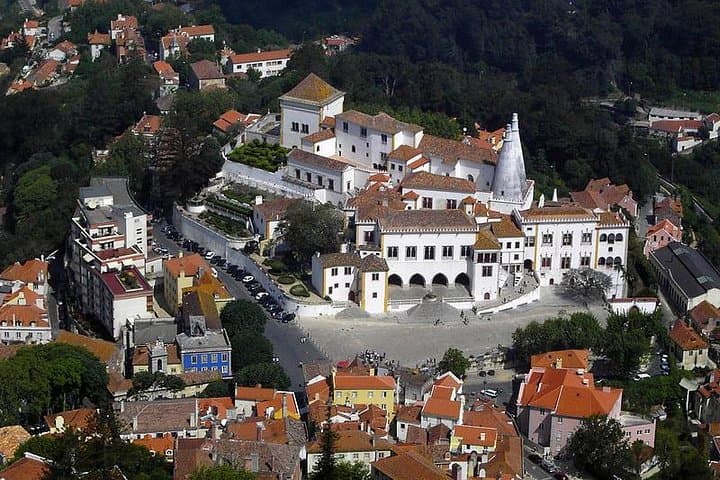
Sintra’s historic center keeps the 19th-century Romantic impulse alive in narrow streets, ceramic storefronts and pastry shops where travelers queue for travesseiros—sugar-dusted pillows filled with almond cream. The town’s geology is obvious: rounded granite domes carved by millennia of wind and rain, crowned with castles and follies that started as aristocratic escapes and became national symbols.
A short drive west brings you to Cabo da Roca, the westernmost point of continental Europe. The cliffs here drop into Atlantic surf that seems intent on rewriting the coastline. The lighthouse stands patient; the wind tests jackets and hair alike. A quick stop at Boca do Inferno before Cascais gives you a lesson in the sea’s force—water has hewn caverns into the limestone, and the spray finds its way high onto the cliffs.
Cascais arrives as a contrast: a former fishing village with a bright marina, tiled facades and seafood restaurants where the day’s catch dictates the menu. Strolling the waterfront or pausing by the old fort, you get the sense of a coastline that has been both livelihood and playground for centuries.
This small-group tour blends history, geology and coastal drama into an accessible eight-hour circuit from Lisbon. Practical details matter: the tour includes entrance to the Queluz Royal Palace and air-conditioned transport, and it operates with a modest group size so the itinerary stays flexible.
Plan on comfortable shoes for cobbled streets and uneven cliff paths, a windproof layer for Cabo da Roca and a small daypack with water and a camera. Mornings are quieter at the palace and in Sintra’s lanes; late afternoon soft light favors coastal photos in Cascais.
For travelers who want an efficient introduction to Portugal’s royal and maritime edges, this is a tidy, sensory-rich day. Guides emphasize cultural context—from Queluz’s royal links to Brazil’s early 19th-century history to Cascais’s fishing traditions—so you leave with more than postcards: a clear mental map of how palace, mountain and sea shaped the region.
easy.
8 hours.
Suitable for travelers in average physical condition; involves short walks and stairs in historic sites.
Yes—pickup from many Lisbon hotels can be arranged at booking; the operator will confirm the exact pickup time and location.
Entrance to the Queluz Royal Palace is included; other stops such as local monuments are typically viewpoint visits and do not require tickets.
The tour is family-friendly but infants must sit on an adult’s lap; note there are stairs and some uneven surfaces.
The tour requires a minimum number to run; if it’s not met you’ll be offered an alternative date or a full refund per the cancellation policy.
Space in the tour vehicle is limited—large suitcases are not practical; bring a small daypack for essentials.
Many historic sites have steps and narrow streets; this tour is not fully wheelchair accessible and is not recommended for travelers with severe mobility issues.
Queluz Palace served as a royal residence tied to Portugal’s 18th–19th century monarchy and has historical links to Brazil through figures like Dom Pedro I.
This route crosses parts of the Sintra-Cascais Natural Park—stay on marked paths, avoid disturbing vegetation and support local businesses that follow sustainable practices.
Neo Portugal Tours operates guided outdoor trips and adventures with an emphasis on safety, stewardship, and memorable experiences.

A morning in Queluz begins with the hush of clipped hedges and the echo of footsteps on marble. The palace—its facades pale and ornamented—opens like a chapter on Portugal’s royal ambitions: mirrored salons, frescoed ceilings and a garden that pushes toward the suburbs. From there the road climbs into the Serra de Sintra, where granite outcrops and a cool microclimate insist the visitor slow down, breathe, and look for the faint damp smell of eucalyptus that hangs over the pines.
A morning in Queluz begins with the hush of clipped hedges and the echo of footsteps on marble. The palace—its facades pale and ornamented—opens like a chapter on Portugal’s royal ambitions: mirrored salons, frescoed ceilings and a garden that pushes toward the suburbs. From there the road climbs into the Serra de Sintra, where granite outcrops and a cool microclimate insist the visitor slow down, breathe, and look for the faint damp smell of eucalyptus that hangs over the pines.
Sintra’s historic center keeps the 19th-century Romantic impulse alive in narrow streets, ceramic storefronts and pastry shops where travelers queue for travesseiros—sugar-dusted pillows filled with almond cream. The town’s geology is obvious: rounded granite domes carved by millennia of wind and rain, crowned with castles and follies that started as aristocratic escapes and became national symbols.
A short drive west brings you to Cabo da Roca, the westernmost point of continental Europe. The cliffs here drop into Atlantic surf that seems intent on rewriting the coastline. The lighthouse stands patient; the wind tests jackets and hair alike. A quick stop at Boca do Inferno before Cascais gives you a lesson in the sea’s force—water has hewn caverns into the limestone, and the spray finds its way high onto the cliffs.
Cascais arrives as a contrast: a former fishing village with a bright marina, tiled facades and seafood restaurants where the day’s catch dictates the menu. Strolling the waterfront or pausing by the old fort, you get the sense of a coastline that has been both livelihood and playground for centuries.
This small-group tour blends history, geology and coastal drama into an accessible eight-hour circuit from Lisbon. Practical details matter: the tour includes entrance to the Queluz Royal Palace and air-conditioned transport, and it operates with a modest group size so the itinerary stays flexible.
Plan on comfortable shoes for cobbled streets and uneven cliff paths, a windproof layer for Cabo da Roca and a small daypack with water and a camera. Mornings are quieter at the palace and in Sintra’s lanes; late afternoon soft light favors coastal photos in Cascais.
For travelers who want an efficient introduction to Portugal’s royal and maritime edges, this is a tidy, sensory-rich day. Guides emphasize cultural context—from Queluz’s royal links to Brazil’s early 19th-century history to Cascais’s fishing traditions—so you leave with more than postcards: a clear mental map of how palace, mountain and sea shaped the region.