THE ADVENTURE COLLECTIVE® · Independent discovery and booking for outdoor travel

A full-day excursion from Cusco delivers the stark, fragile grandeur of Quelccaya—the world’s largest tropical glacier—plus highland lagoons and village cuisine. Long drives and high altitude demand preparation, but the close-up view of the ice cap and nearby Sibinacocha make it a singular Andean experience.
A full-day excursion from Cusco delivers the stark, fragile grandeur of Quelccaya—the world’s largest tropical glacier—plus highland lagoons and village cuisine. Long drives and high altitude demand preparation, but the close-up view of the ice cap and nearby Sibinacocha make it a singular Andean experience.
Before dawn the van slides out of Cusco and into a landscape that tightens around you: high puna grass, occasional stone corrals, and a sky that grows colder as the road climbs. The real light arrives at Quelccaya when the ice cap—an expanse of pale blue and white—catches the morning sun and seems to push the thin air forward. You park where the road ends and walk 15–20 minutes across rocky moraine to stand at the lip of the greatest tropical ice field on Earth.
Verified experiences and guided adventures in the surrounding area.
Operated by Top Inka Travel · Cusco, Cusco
Before dawn the van slides out of Cusco and into a landscape that tightens around you: high puna grass, occasional stone corrals, and a sky that grows colder as the road climbs. The real light arrives at Quelccaya when the ice cap—an expanse of pale blue and white—catches the morning sun and seems to push the thin air forward. You park where the road ends and walk 15–20 minutes across rocky moraine to stand at the lip of the greatest tropical ice field on Earth.
This ice cap formed as Andean uplift and persistent precipitation combined to trap snow in a high-elevation basin. Local Quechua communities have tended these highlands for centuries; nearby villages such as Phinaya maintain pastoral traditions and serve meals that sustain long mountain days. Geologically, Quelccaya is significant for its climate records—cores from the ice reveal centuries of tropical climate variability—and culturally it sits within a living highland landscape where lagoons like Sibinacocha feed regional watersheds.
Practically, expect a very long day: early pickup, roughly six hours driving round trip from Cusco with stops, a short on-foot approach, and a seated return. Altitude is the primary challenge—Quelccaya sits near 5,000 m (≈16,400 ft)—so acclimatize, hydrate, and keep pace slow. Footing on moraine and icy fringe is uneven; good boots and warm layers matter. Bring sunscreen, a filled water bottle, and respect local lands: these glaciers are retreating and fragile, and low-impact travel helps preserve them.
challenging.
16–18 hours.
Should have good cardiovascular fitness and be acclimatized to high altitude; able to walk 15–20 minutes over uneven terrain.
From the vehicle stop the approach is short—about 15–20 minutes on uneven moraine; no technical climbing is required.
Yes—because Quelccaya sits near 5,000 m, spending 24–48 hours at moderate altitude in Cusco or the Sacred Valley before the tour is strongly recommended.
The itinerary includes a buffet stop in Cusipata, a local lunch in Phinaya, and basic facilities at village stops, but expect limited services at high-altitude viewpoints.
Guides generally do not traverse the main ice cap; the visit involves viewing from stable moraine and accessible edges rather than glacier travel requiring ropes or crampons.
Quelccaya has been studied for paleoclimate records; ice cores from the cap provide decades of tropical climate data and evidence of recent retreat.
This tropical glacier is rapidly retreating; visitors should minimize waste, stick to marked approaches, and support local guides who practice low-impact tourism.
Top Inka Travel operates guided outdoor trips and adventures with an emphasis on safety, stewardship, and memorable experiences.
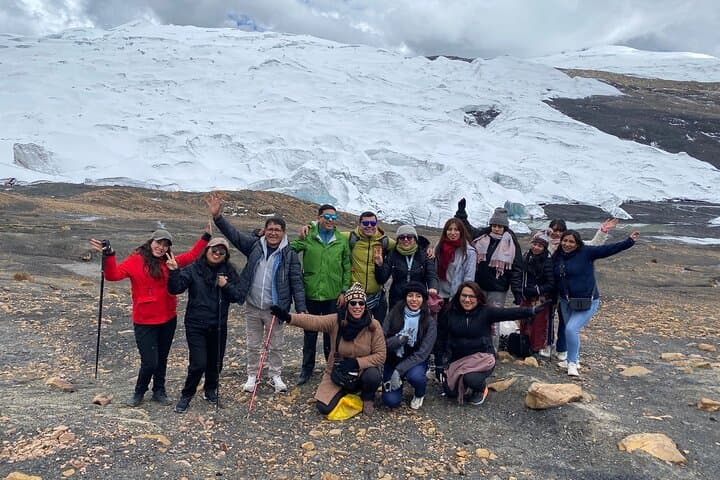
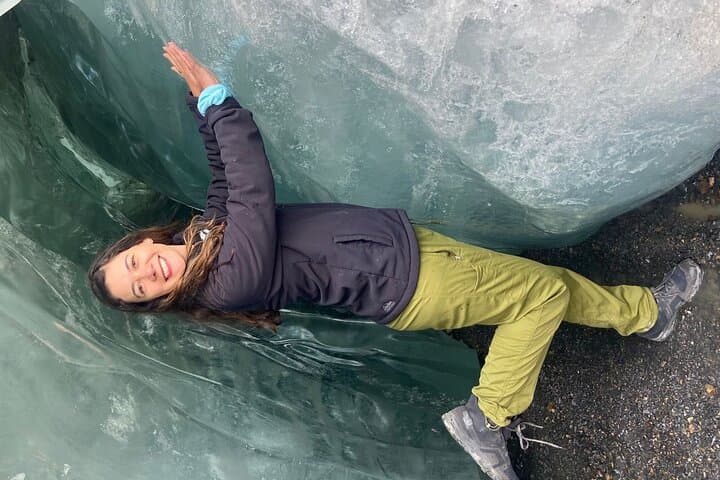
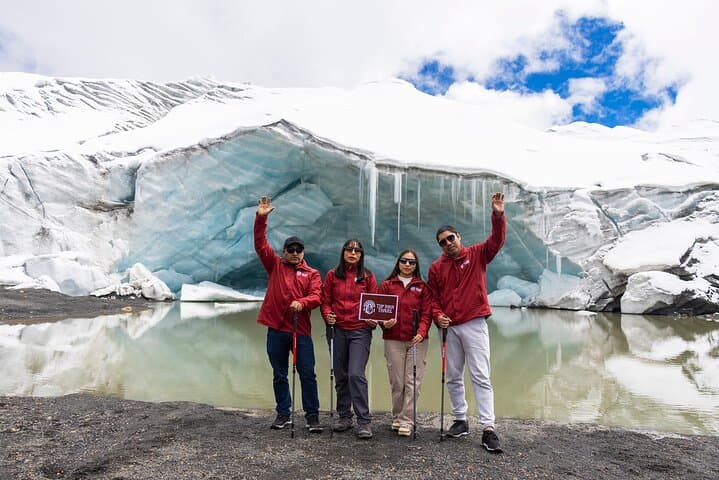
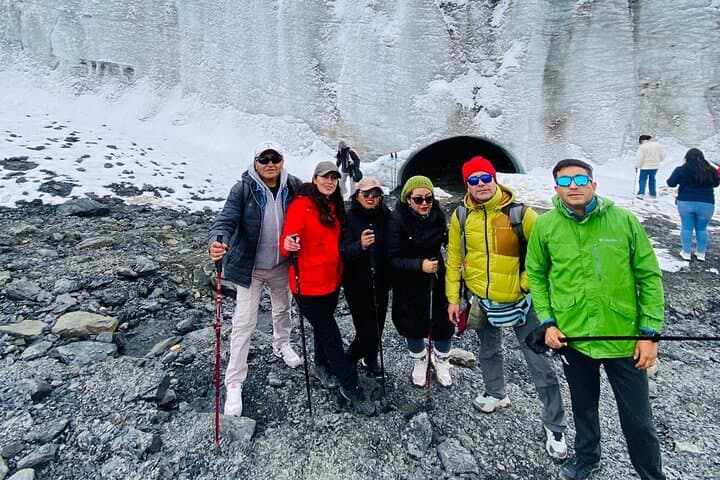
Before dawn the van slides out of Cusco and into a landscape that tightens around you: high puna grass, occasional stone corrals, and a sky that grows colder as the road climbs. The real light arrives at Quelccaya when the ice cap—an expanse of pale blue and white—catches the morning sun and seems to push the thin air forward. You park where the road ends and walk 15–20 minutes across rocky moraine to stand at the lip of the greatest tropical ice field on Earth.
Before dawn the van slides out of Cusco and into a landscape that tightens around you: high puna grass, occasional stone corrals, and a sky that grows colder as the road climbs. The real light arrives at Quelccaya when the ice cap—an expanse of pale blue and white—catches the morning sun and seems to push the thin air forward. You park where the road ends and walk 15–20 minutes across rocky moraine to stand at the lip of the greatest tropical ice field on Earth.
This ice cap formed as Andean uplift and persistent precipitation combined to trap snow in a high-elevation basin. Local Quechua communities have tended these highlands for centuries; nearby villages such as Phinaya maintain pastoral traditions and serve meals that sustain long mountain days. Geologically, Quelccaya is significant for its climate records—cores from the ice reveal centuries of tropical climate variability—and culturally it sits within a living highland landscape where lagoons like Sibinacocha feed regional watersheds.
Practically, expect a very long day: early pickup, roughly six hours driving round trip from Cusco with stops, a short on-foot approach, and a seated return. Altitude is the primary challenge—Quelccaya sits near 5,000 m (≈16,400 ft)—so acclimatize, hydrate, and keep pace slow. Footing on moraine and icy fringe is uneven; good boots and warm layers matter. Bring sunscreen, a filled water bottle, and respect local lands: these glaciers are retreating and fragile, and low-impact travel helps preserve them.