THE ADVENTURE COLLECTIVE® · Independent discovery and booking for outdoor travel

A two-day, high-altitude trek to Quelccaya — the world’s largest tropical glacier — offering stark glacial scenery, high puna terrain, and close-up views of ice that climate scientists study for centuries of data. Best attempted in the dry season with prior acclimatization.
A two-day, high-altitude trek to Quelccaya — the world’s largest tropical glacier — offering stark glacial scenery, high puna terrain, and close-up views of ice that climate scientists study for centuries of data. Best attempted in the dry season with prior acclimatization.
You step from the van into thin air and a bowl of white opens ahead — the Quelccaya Ice Cap pressing a hard, bright edge against the high Andean sky. Dusty puna grass gives way to rocky moraines; wind scrubs the landscape and the glacier seems to move in silence, an ancient current of ice daring you to approach.
Verified experiences and guided adventures in the surrounding area.
Operated by SAQRA'S TREK AUQUI PERU · Cusco, Cusco
You step from the van into thin air and a bowl of white opens ahead — the Quelccaya Ice Cap pressing a hard, bright edge against the high Andean sky. Dusty puna grass gives way to rocky moraines; wind scrubs the landscape and the glacier seems to move in silence, an ancient current of ice daring you to approach.
Quelccaya is the largest tropical glacier on Earth, a remnant of past climates spanning over 44 km² with ice more than 200 meters thick. The cap sits in the Cordillera Vilcanota, downstream in sight of Ausangate, in territory long inhabited by Quechua-speaking communities whose herding and water rituals still mark the highlands. Geologists prize Quelccaya for its ice cores, which record tropical climate change across millennia; for trekkers, the appeal is the raw, high-altitude terrain and sweeping visibility across glacial ridges.
The two-day circuit runs from roughly 4,900–5,650 m, alternating between rocky trail, high puna, and glacial approaches. Expect strong sun, sudden winds, and thin air: every step is measured and deliberate. Camping gear is provided, but acclimatization in Cusco or the Sacred Valley beforehand is critical. Hydrate, pace uphill sections, and use layered clothing to manage big temperature swings from bright midday to frigid nights.
Practical tips: travel May–October for the dry season; hire experienced guides familiar with crevasse zones; plan for limited cell service and cold overnight temperatures. The reward is close: unbroken views of ice sculpted by time and a sharpened sense of altitude-earned accomplishment.
challenging.
2 days (approx. 48 hours).
High level of cardiovascular fitness and prior high-altitude trekking experience recommended; be prepared for sustained steep sections and heavy breathing above 4,500 m.
May through October is the dry season and the only recommended window for reliable trail conditions and clearer skies.
Yes—spend at least 48–72 hours in Cusco or similar elevation before the trek to reduce altitude sickness risk.
The standard two-day circuit approaches the glacier but generally does not require roped glacier travel for the basic route; guides will advise if crampons or ropes are needed depending on conditions.
This trek is challenging due to sustained high elevation (4,900–5,650 m); strong cardiovascular fitness, prior multi-day trekking experience, and no major health issues are expected.
Quelccaya has been studied for decades; ice cores recovered here provide one of the longest tropical climate records and show rapid modern retreat as temperatures rise.
The ice cap is retreating due to climate change; visitors should minimize footprint by camping on durable surfaces, packing out waste, and following local guide protocols.
SAQRA'S TREK AUQUI PERU operates guided outdoor trips and adventures with an emphasis on safety, stewardship, and memorable experiences.
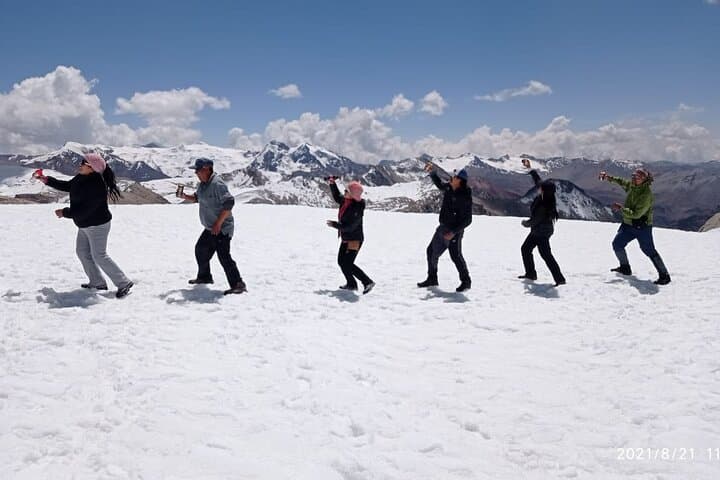
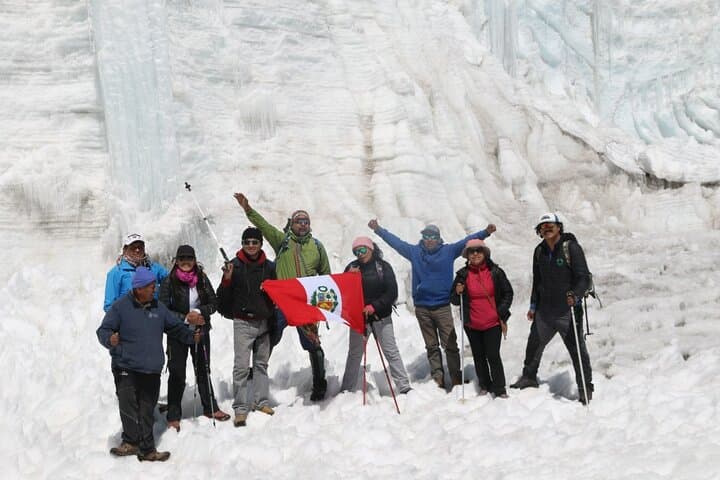
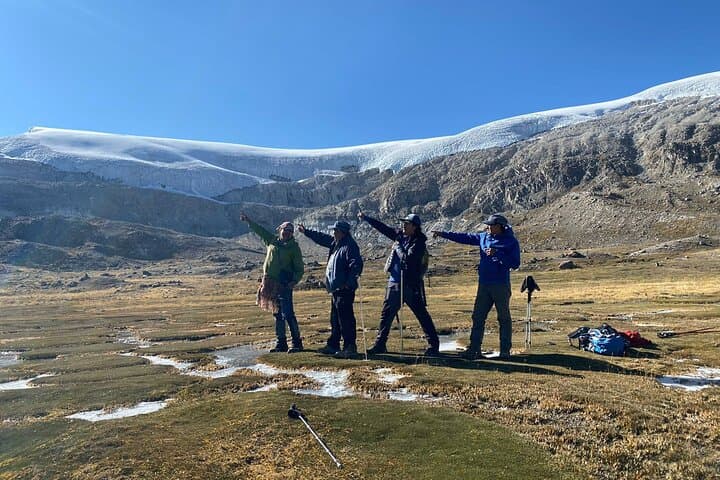
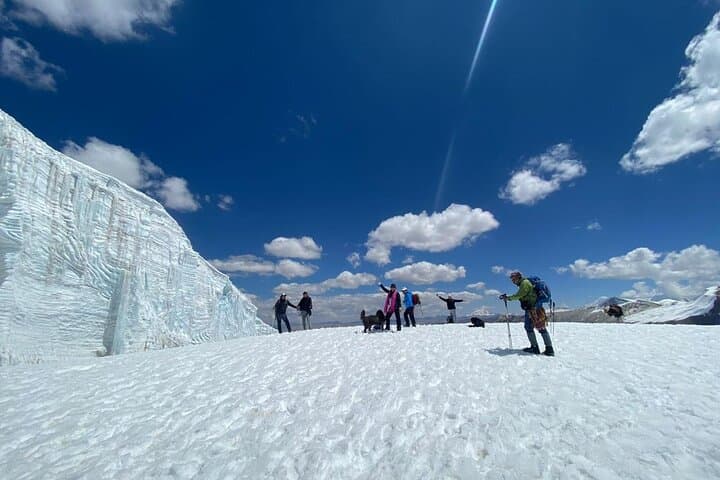
You step from the van into thin air and a bowl of white opens ahead — the Quelccaya Ice Cap pressing a hard, bright edge against the high Andean sky. Dusty puna grass gives way to rocky moraines; wind scrubs the landscape and the glacier seems to move in silence, an ancient current of ice daring you to approach.
You step from the van into thin air and a bowl of white opens ahead — the Quelccaya Ice Cap pressing a hard, bright edge against the high Andean sky. Dusty puna grass gives way to rocky moraines; wind scrubs the landscape and the glacier seems to move in silence, an ancient current of ice daring you to approach.
Quelccaya is the largest tropical glacier on Earth, a remnant of past climates spanning over 44 km² with ice more than 200 meters thick. The cap sits in the Cordillera Vilcanota, downstream in sight of Ausangate, in territory long inhabited by Quechua-speaking communities whose herding and water rituals still mark the highlands. Geologists prize Quelccaya for its ice cores, which record tropical climate change across millennia; for trekkers, the appeal is the raw, high-altitude terrain and sweeping visibility across glacial ridges.
The two-day circuit runs from roughly 4,900–5,650 m, alternating between rocky trail, high puna, and glacial approaches. Expect strong sun, sudden winds, and thin air: every step is measured and deliberate. Camping gear is provided, but acclimatization in Cusco or the Sacred Valley beforehand is critical. Hydrate, pace uphill sections, and use layered clothing to manage big temperature swings from bright midday to frigid nights.
Practical tips: travel May–October for the dry season; hire experienced guides familiar with crevasse zones; plan for limited cell service and cold overnight temperatures. The reward is close: unbroken views of ice sculpted by time and a sharpened sense of altitude-earned accomplishment.