THE ADVENTURE COLLECTIVE® · Independent discovery and booking for outdoor travel

A 6–7 hour classic levada walk from Queimadas to the Caldeirão Verde waterfall, threading through laurel forest, cliffside galleries and four tunnels. Expect steep slopes, narrow levada paths and a dramatic 100m waterfall reward.
A 6–7 hour classic levada walk from Queimadas to the Caldeirão Verde waterfall, threading through laurel forest, cliffside galleries and four tunnels. Expect steep slopes, narrow levada paths and a dramatic 100m waterfall reward.
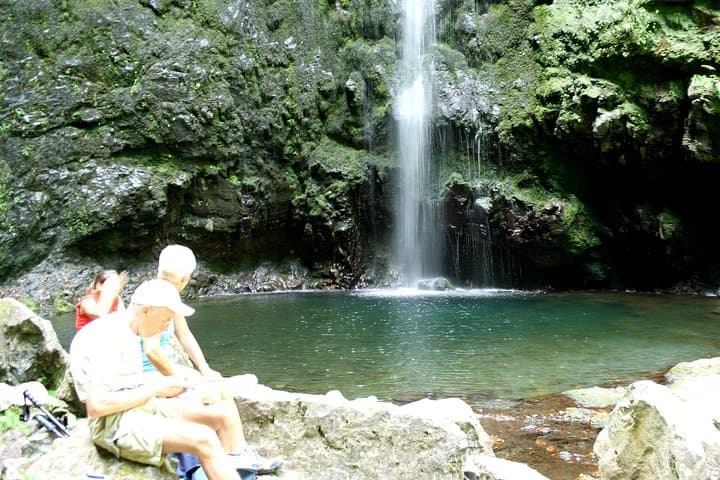
A narrow contour path threads through wet laurel forest as light filters through chestnut trunks; the levada hums beside the trail, carrying centuries-old irrigation water along cliff faces. Starting at Queimadas Forestry Park, walkers cross carved rock and step through low tunnels where a headlamp throws the levada’s wet walls into relief. After the final tunnel, Caldeirão Verde reveals itself — a 100m drop feeding a deep green pool.
Verified experiences and guided adventures in the surrounding area.
Operated by Madeira Happy Tours · Santana, Madeira
A narrow contour path threads through wet laurel forest as light filters through chestnut trunks; the levada hums beside the trail, carrying centuries-old irrigation water along cliff faces. Starting at Queimadas Forestry Park, walkers cross carved rock and step through low tunnels where a headlamp throws the levada’s wet walls into relief. After the final tunnel, Caldeirão Verde reveals itself — a 100m drop feeding a deep green pool.
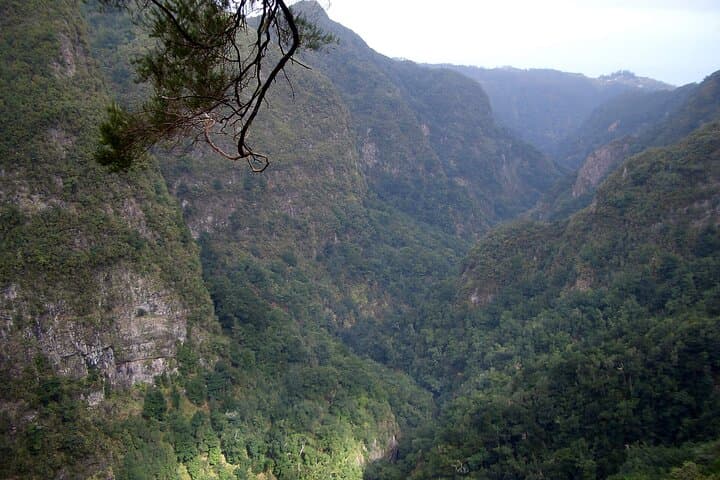
The levada system on Madeira dates to the 18th century, engineered to direct mountain runoff down to parishes like Faial for agriculture. Geologically, the route slices Madeira’s volcanic ridges, following soft erosion channels and human-cut galleries. Culturally, the walk passes traditional Santana architecture near its trailhead, linking upland farming history to present-day trail stewardship.
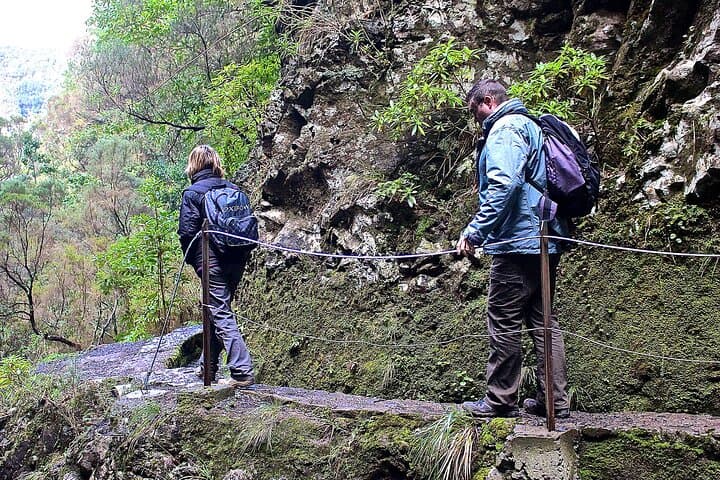
Expect tight sections dug into cliffs, four short tunnels (bring a torch), and steady climbs on steep valley shoulders. The terrain alternates packed earth, rock steps, and narrow, often damp levada walkways that demand sure footing. Hikers should allow 6–7 hours round-trip, plan for variable mountain weather, and carry water and layers.
Practical tips: start early to avoid afternoon clouds, respect narrow passing etiquette on levada sections, and use headlamps for tunnels. The route rewards effort with a dramatic waterfall and tranquil pool, and it’s a strong example of Madeira’s living waterworks — where human craft and raw island geology shape a memorable highland walk.
challenging.
6–7 hours.
Good aerobic fitness and balance for long hillside walking; comfortable with several hours of continuous hiking and some exposure.
The round-trip typically takes 6–7 hours depending on pace and stopping time; factor in time for tunnels and photo stops.
Tunnels are short but dark and sometimes low; children should be comfortable in confined spaces and always wear a headlamp and helmet if available.
Queues start near Santana — many visitors drive or take local transfers from Santana or Funchal; public transport options serve Santana with a short taxi to the park.
The pool below Caldeirão Verde is scenic but water is cold and access can be slippery; swimming is not officially recommended and should be approached with caution.
Caldeirão Verde levada was engineered in the 18th century to channel upland runoff to irrigate farms in Faial, a practical infrastructure that shaped settlement patterns on Madeira.
The route passes Laurisilva-like forest areas; stick to the levada path, avoid trampling vegetation, and pack out all waste to protect fragile island ecosystems.
Madeira Happy Tours operates guided outdoor trips and adventures with an emphasis on safety, stewardship, and memorable experiences.

A narrow contour path threads through wet laurel forest as light filters through chestnut trunks; the levada hums beside the trail, carrying centuries-old irrigation water along cliff faces. Starting at Queimadas Forestry Park, walkers cross carved rock and step through low tunnels where a headlamp throws the levada’s wet walls into relief. After the final tunnel, Caldeirão Verde reveals itself — a 100m drop feeding a deep green pool.
A narrow contour path threads through wet laurel forest as light filters through chestnut trunks; the levada hums beside the trail, carrying centuries-old irrigation water along cliff faces. Starting at Queimadas Forestry Park, walkers cross carved rock and step through low tunnels where a headlamp throws the levada’s wet walls into relief. After the final tunnel, Caldeirão Verde reveals itself — a 100m drop feeding a deep green pool.
The levada system on Madeira dates to the 18th century, engineered to direct mountain runoff down to parishes like Faial for agriculture. Geologically, the route slices Madeira’s volcanic ridges, following soft erosion channels and human-cut galleries. Culturally, the walk passes traditional Santana architecture near its trailhead, linking upland farming history to present-day trail stewardship.
Expect tight sections dug into cliffs, four short tunnels (bring a torch), and steady climbs on steep valley shoulders. The terrain alternates packed earth, rock steps, and narrow, often damp levada walkways that demand sure footing. Hikers should allow 6–7 hours round-trip, plan for variable mountain weather, and carry water and layers.
Practical tips: start early to avoid afternoon clouds, respect narrow passing etiquette on levada sections, and use headlamps for tunnels. The route rewards effort with a dramatic waterfall and tranquil pool, and it’s a strong example of Madeira’s living waterworks — where human craft and raw island geology shape a memorable highland walk.