THE ADVENTURE COLLECTIVE® · Independent discovery and booking for outdoor travel

Walk through Lisbon’s queer history from Jardim Príncipe Real to long-standing nightspots. This guided treasure hunt mixes hidden scandals, legal milestones and modern gay scenes, finishing in a gay-hotel lounge with a local guide and a 150+ page PDF resource.
Walk through Lisbon’s queer history from Jardim Príncipe Real to long-standing nightspots. This guided treasure hunt mixes hidden scandals, legal milestones and modern gay scenes, finishing in a gay-hotel lounge with a local guide and a 150+ page PDF resource.
You meet beneath the plane trees of Jardim Príncipe Real, the city’s high terrace opening onto tiled roofs and the Tagus beyond. The guide hands out a PDF guide and a map; the group spills into narrow alleys where cobblestones rise and fall, and the voices of the city thread past old cafés and neon signs. This walking tour reads Lisbon’s queer past out loud — from clandestine parks and 19th‑century scandals to drag stages reborn after the 1974 revolution.
Verified experiences and guided adventures in the surrounding area.
Operated by Queer Lisbon: a Treasure Hunt in LGBTQ History · Lisbon, Lisboa
You meet beneath the plane trees of Jardim Príncipe Real, the city’s high terrace opening onto tiled roofs and the Tagus beyond. The guide hands out a PDF guide and a map; the group spills into narrow alleys where cobblestones rise and fall, and the voices of the city thread past old cafés and neon signs. This walking tour reads Lisbon’s queer past out loud — from clandestine parks and 19th‑century scandals to drag stages reborn after the 1974 revolution.
Lisbon sits on seven hills carved by the Tagus estuary; its streets kept queer life both hidden and public in different eras. The walk stops at monuments to victims of homophobia, the square where Pride gatherings begin, and a botanical garden with stories of secret encounters. Expect anecdotes about Josephine Baker, legal battles at the Constitutional Court, and long-running nightlife institutions that shaped a modern scene. The tour mixes social history with practical info: where to find trans and non-binary resources, women‑led venues, and gay beaches reachable by short train rides.
Practical edge: the route covers uneven calçada and steep streets across roughly 3–3.5 hours with frequent stops — bring a charged phone, your ID, and sturdy shoes. Small groups (up to 15) make conversation easy and the final stop is a gay‑hotel lounge for a drink and a short pub quiz. Ideal for travelers who want context, local contacts, and a living map of Lisbon’s queer geography rather than a passive museum visit.
moderate.
3–3.5 hours.
Moderate fitness: you should be comfortable standing and walking on hilly, cobbled streets for several hours.
The tour lasts about 3–3.5 hours, with regular stops for stories and photos; expect an easy-to-moderate walking pace but with some uphill sections.
Participants must be at least 16 to book; note legal drinking age in Portugal is 18 and the final stop may serve alcohol.
Most of the route is on public streets and historic sites with cobblestones and steps; full wheelchair accessibility is limited—contact the operator to discuss accommodations.
You get a guided walking tour in English and a PDF copy of 'Alex’s LONG LIST' — a detailed, regularly updated LGBTQ Lisbon & Portugal resource.
Lisbon’s queer narrative runs from 16th‑century Inquisition cases to 20th‑century nightlife and major legal reforms after the 1974 Carnation Revolution, with modern Pride and EuroPride milestones.
Support local LGBTQ-owned businesses, keep noise levels respectful in residential areas, and avoid leaving litter in historic gardens and viewpoints.
Queer Lisbon: a Treasure Hunt in LGBTQ History operates guided outdoor trips and adventures with an emphasis on safety, stewardship, and memorable experiences.

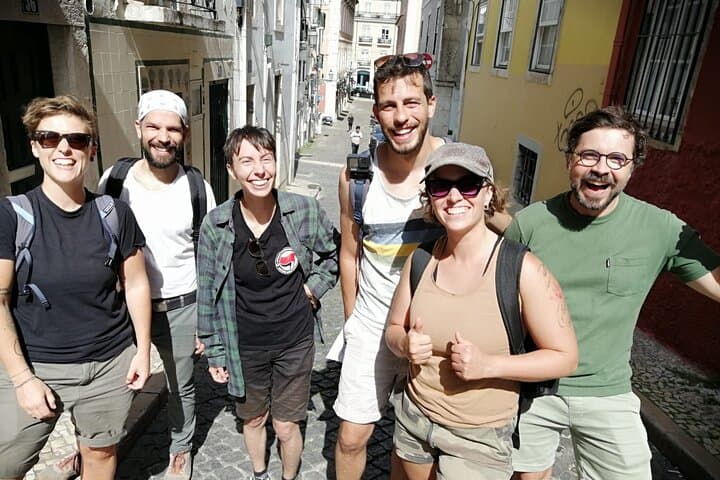
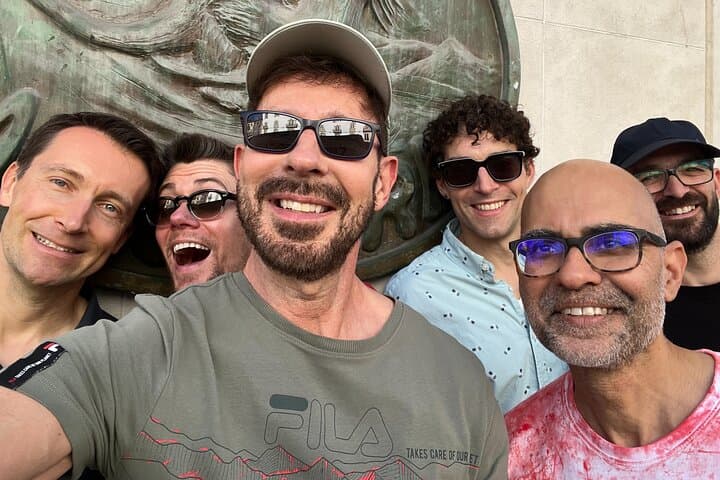
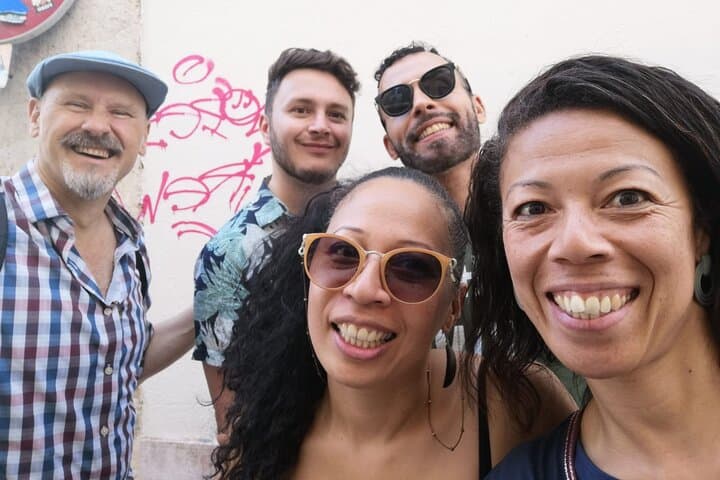
You meet beneath the plane trees of Jardim Príncipe Real, the city’s high terrace opening onto tiled roofs and the Tagus beyond. The guide hands out a PDF guide and a map; the group spills into narrow alleys where cobblestones rise and fall, and the voices of the city thread past old cafés and neon signs. This walking tour reads Lisbon’s queer past out loud — from clandestine parks and 19th‑century scandals to drag stages reborn after the 1974 revolution.
You meet beneath the plane trees of Jardim Príncipe Real, the city’s high terrace opening onto tiled roofs and the Tagus beyond. The guide hands out a PDF guide and a map; the group spills into narrow alleys where cobblestones rise and fall, and the voices of the city thread past old cafés and neon signs. This walking tour reads Lisbon’s queer past out loud — from clandestine parks and 19th‑century scandals to drag stages reborn after the 1974 revolution.
Lisbon sits on seven hills carved by the Tagus estuary; its streets kept queer life both hidden and public in different eras. The walk stops at monuments to victims of homophobia, the square where Pride gatherings begin, and a botanical garden with stories of secret encounters. Expect anecdotes about Josephine Baker, legal battles at the Constitutional Court, and long-running nightlife institutions that shaped a modern scene. The tour mixes social history with practical info: where to find trans and non-binary resources, women‑led venues, and gay beaches reachable by short train rides.
Practical edge: the route covers uneven calçada and steep streets across roughly 3–3.5 hours with frequent stops — bring a charged phone, your ID, and sturdy shoes. Small groups (up to 15) make conversation easy and the final stop is a gay‑hotel lounge for a drink and a short pub quiz. Ideal for travelers who want context, local contacts, and a living map of Lisbon’s queer geography rather than a passive museum visit.