THE ADVENTURE COLLECTIVE® · Independent discovery and booking for outdoor travel

Walk through three centuries of queer life in Berlin—guided, private and focused on sites from Hirschfeld’s advocacy to Schöneberg’s nightlife. This 3-hour route blends memorials, nightlife history and contemporary queer culture.
Walk through three centuries of queer life in Berlin—guided, private and focused on sites from Hirschfeld’s advocacy to Schöneberg’s nightlife. This 3-hour route blends memorials, nightlife history and contemporary queer culture.
You start on a cool city morning beneath plane trees and the distant hush of the Spree, footsteps and tram bells setting the pace as you move through blocks that remember reinvention.
Verified experiences and guided adventures in the surrounding area.
Operated by Vexperio · Berlin, Berlin
You start on a cool city morning beneath plane trees and the distant hush of the Spree, footsteps and tram bells setting the pace as you move through blocks that remember reinvention.
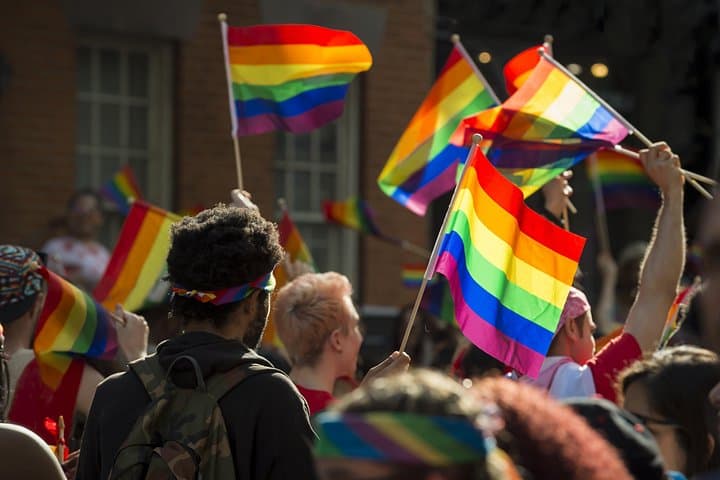
The three-hour private tour threads present-day queer life through Berlin’s long, complicated past: 18th‑century court life under Frederick the Great, Magnus Hirschfeld’s pioneering sexology and advocacy, the violent erasure under National Socialism memorialized nearby, and the split-worlds of East and West after 1945. Geology here is subtle—the flat, post-glacial Berlin plateau with the Spree daring you to look beyond the pavement—while culture reads in storefronts, memorial plaques and the neon of Schöneberg’s bars.
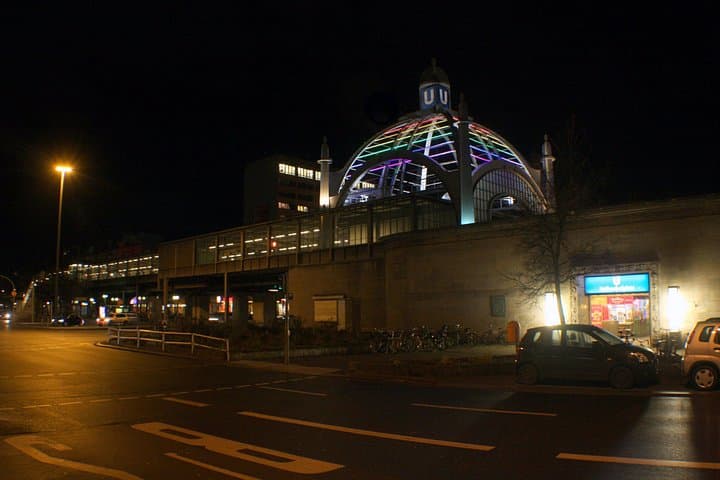
Expect curated stops: memorials to persecuted homosexuals, Tiergarten meeting places, Schöneberg’s Rainbow District, Bowie’s Berlin addresses, and the Gay Museum in Kreuzberg. Guides unfold archival stories, point out lesser-known plaques and show how the city’s 1920s hedonism gave way to the 1990s club resurgence that remade queer public life.
Practical notes: the route is urban, mostly flat pavement; comfortable shoes and a transit card keep you flexible. Bring a rain layer in shoulder seasons, a charged phone for photos (be mindful at sensitive sites), and arrive 10 minutes early. Private format allows pacing and questions—use that time to ask about archival sources or the city’s ongoing memorial work.
This is a cultural, accessible urban walk that pairs history with the living present of Berlin’s queer neighborhoods.
easy.
3 hours.
Suitable for most fitness levels; expect steady walking on flat urban terrain with occasional cobbles
Much of the route is on flat pavement but there are cobblestones and occasional steps at some stops; contact the operator in advance to tailor an accessible route.
Yes; private format allows car or walking options—confirm your preference when booking so the guide can plan the route and timings.
The tour covers historical and sensitive topics including persecution under Nazism; it is open to all ages but consider the subject matter when deciding for younger children.
Guides are professional and local; language availability varies—check when booking to confirm your preferred language.
Berlin’s queer history spans influential figures like Magnus Hirschfeld and the interwar cosmopolitan clubs of the 1920s, followed by persecution under the Nazis and divergent queer cultures in East and West during the Cold War.
Respect historical sites and memorials by following signage, avoiding intrusive photography and supporting local museums that preserve queer archives and oral histories.
Vexperio operates guided outdoor trips and adventures with an emphasis on safety, stewardship, and memorable experiences.
You start on a cool city morning beneath plane trees and the distant hush of the Spree, footsteps and tram bells setting the pace as you move through blocks that remember reinvention.
You start on a cool city morning beneath plane trees and the distant hush of the Spree, footsteps and tram bells setting the pace as you move through blocks that remember reinvention.
The three-hour private tour threads present-day queer life through Berlin’s long, complicated past: 18th‑century court life under Frederick the Great, Magnus Hirschfeld’s pioneering sexology and advocacy, the violent erasure under National Socialism memorialized nearby, and the split-worlds of East and West after 1945. Geology here is subtle—the flat, post-glacial Berlin plateau with the Spree daring you to look beyond the pavement—while culture reads in storefronts, memorial plaques and the neon of Schöneberg’s bars.
Expect curated stops: memorials to persecuted homosexuals, Tiergarten meeting places, Schöneberg’s Rainbow District, Bowie’s Berlin addresses, and the Gay Museum in Kreuzberg. Guides unfold archival stories, point out lesser-known plaques and show how the city’s 1920s hedonism gave way to the 1990s club resurgence that remade queer public life.
Practical notes: the route is urban, mostly flat pavement; comfortable shoes and a transit card keep you flexible. Bring a rain layer in shoulder seasons, a charged phone for photos (be mindful at sensitive sites), and arrive 10 minutes early. Private format allows pacing and questions—use that time to ask about archival sources or the city’s ongoing memorial work.
This is a cultural, accessible urban walk that pairs history with the living present of Berlin’s queer neighborhoods.