THE ADVENTURE COLLECTIVE® · Independent discovery and booking for outdoor travel

Drive from Queenstown to Middlemarch through Central Otago’s wine country, gorges, and ghost towns on a guided one‑way small‑group tour. Expect historic inns, Victorian bridges, and photo stops across five hours of dramatic, varied terrain.
Drive from Queenstown to Middlemarch through Central Otago’s wine country, gorges, and ghost towns on a guided one‑way small‑group tour. Expect historic inns, Victorian bridges, and photo stops across five hours of dramatic, varied terrain.
The coach drifts out of Queenstown, mountains receding as the Kawarau River dares you to look back. Sunlight slants across Lake Dunstan’s rippled surface and the low, pumiced hills of Central Otago roll open like a raw map of gold‑rush history.
Verified experiences and guided adventures in the surrounding area.
Operated by Cheeky Kiwi Travel · Queenstown, Otago
The coach drifts out of Queenstown, mountains receding as the Kawarau River dares you to look back. Sunlight slants across Lake Dunstan’s rippled surface and the low, pumiced hills of Central Otago roll open like a raw map of gold‑rush history.
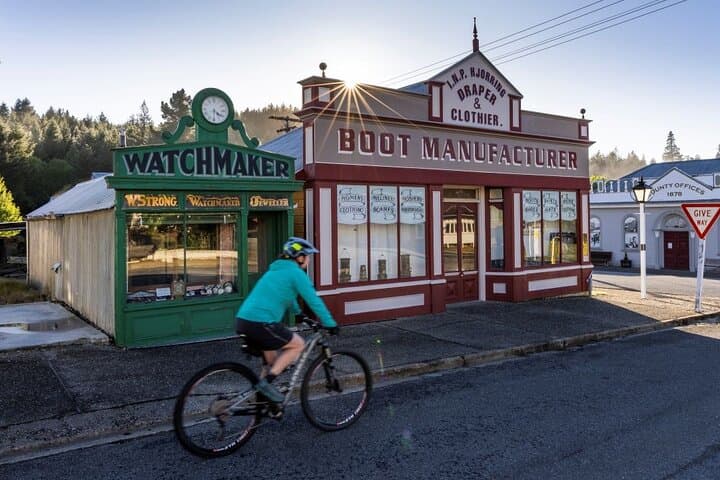
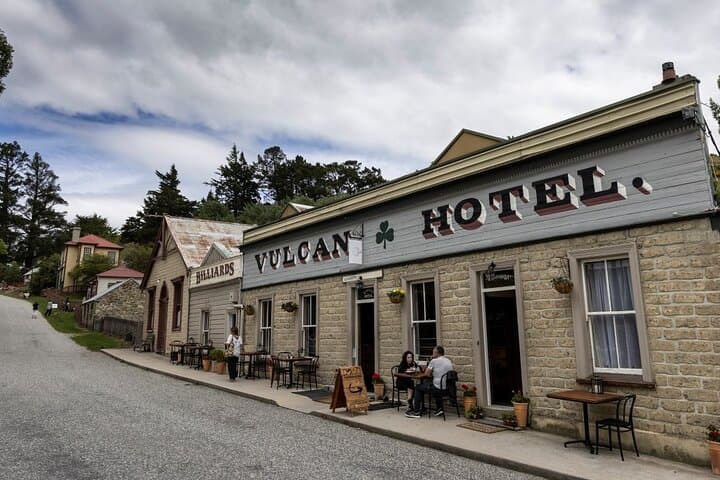
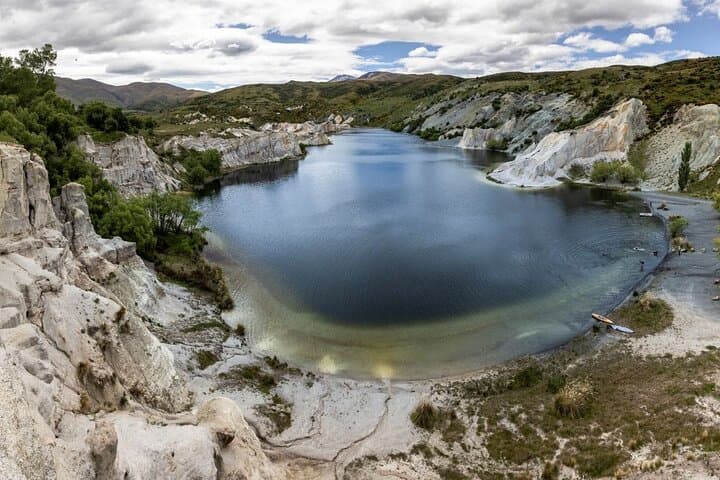
This five‑hour, one‑way drive threads through key landscapes: the Gibbston wine region carved into schist, the tight granite corridors of Kawarau Gorge, and the broad river flats around Cromwell where the Clutha and Kawarau meet. Stops include Dunstan House — a restored 1898 coaching inn that offers a window into the gold‑rush era — and the 1880 suspension bridge at Ophir, an example of Victorian engineering still spanning the Manuherikia. The ghost town of St Bathans offers miners’ relics and the eerie Blue Lake left by historic mining; Middlemarch, your terminus, is the rail‑trail gateway and a place where the tussock country meets the Otago plateau.
Expect a guided, small‑group rhythm: short photo pauses, a 15‑minute morning tea at Dunstan House, a quick stroll at St Bathans and time to absorb the bridge and lakeshore scenes. Roads are sealed; active photography and short walks on uneven surfaces are part of the day. Practicalities: bring steady footwear for short off‑vehicle stretches, sun protection for exposed tussock country, and water — service stops are limited. This trip suits travelers who want regional context, historic points of interest, and a comfortable, single‑day transfer across one of New Zealand’s most characterful inland corridors.
moderate.
5 hours.
Light to moderate mobility; you should be comfortable stepping on uneven ground for short periods
The tour begins with hotel pickups in Queenstown (select locations) and finishes in Middlemarch, the gateway to the Otago Central Rail Trail.
A morning tea stop at Dunstan House is included as a break but food and most snacks are available to purchase on site.
There is space for one large and one small bag per person; inform the operator if you have oversized gear before booking.
The tour involves short walks on uneven surfaces and is not recommended for those with significant walking disabilities or in wheelchairs.
Central Otago was reshaped by 19th‑century gold mining; many settlements, like St Bathans and Ophir, retain intact buildings and mining relics from that era.
The region’s dry tussock and river corridors are ecologically sensitive; stick to paths, avoid feeding wildlife, and carry out all rubbish to protect fragile habitats.
Cheeky Kiwi Travel operates guided outdoor trips and adventures with an emphasis on safety, stewardship, and memorable experiences.
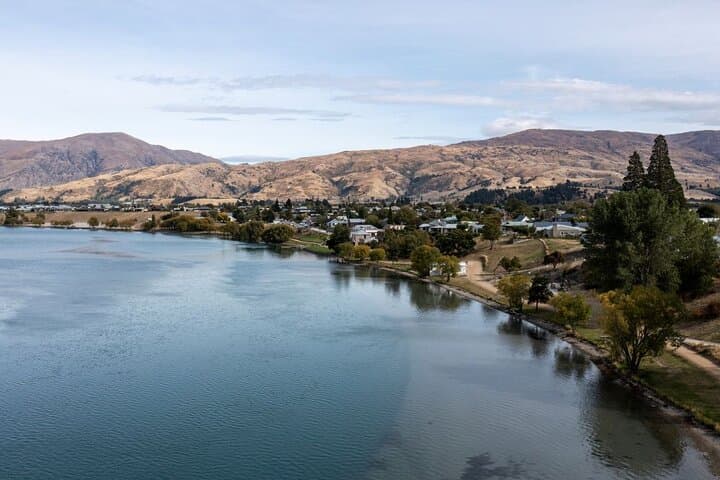
The coach drifts out of Queenstown, mountains receding as the Kawarau River dares you to look back. Sunlight slants across Lake Dunstan’s rippled surface and the low, pumiced hills of Central Otago roll open like a raw map of gold‑rush history.
The coach drifts out of Queenstown, mountains receding as the Kawarau River dares you to look back. Sunlight slants across Lake Dunstan’s rippled surface and the low, pumiced hills of Central Otago roll open like a raw map of gold‑rush history.
This five‑hour, one‑way drive threads through key landscapes: the Gibbston wine region carved into schist, the tight granite corridors of Kawarau Gorge, and the broad river flats around Cromwell where the Clutha and Kawarau meet. Stops include Dunstan House — a restored 1898 coaching inn that offers a window into the gold‑rush era — and the 1880 suspension bridge at Ophir, an example of Victorian engineering still spanning the Manuherikia. The ghost town of St Bathans offers miners’ relics and the eerie Blue Lake left by historic mining; Middlemarch, your terminus, is the rail‑trail gateway and a place where the tussock country meets the Otago plateau.
Expect a guided, small‑group rhythm: short photo pauses, a 15‑minute morning tea at Dunstan House, a quick stroll at St Bathans and time to absorb the bridge and lakeshore scenes. Roads are sealed; active photography and short walks on uneven surfaces are part of the day. Practicalities: bring steady footwear for short off‑vehicle stretches, sun protection for exposed tussock country, and water — service stops are limited. This trip suits travelers who want regional context, historic points of interest, and a comfortable, single‑day transfer across one of New Zealand’s most characterful inland corridors.