THE ADVENTURE COLLECTIVE® · Independent discovery and booking for outdoor travel

Trace the Nile from Cairo to Luxor on a seven-day circuit of pyramids, temples and a five-star cruise. This concise guide explains what to expect—history, logistics, and the practical kit to make the most of each day.
Trace the Nile from Cairo to Luxor on a seven-day circuit of pyramids, temples and a five-star cruise. This concise guide explains what to expect—history, logistics, and the practical kit to make the most of each day.
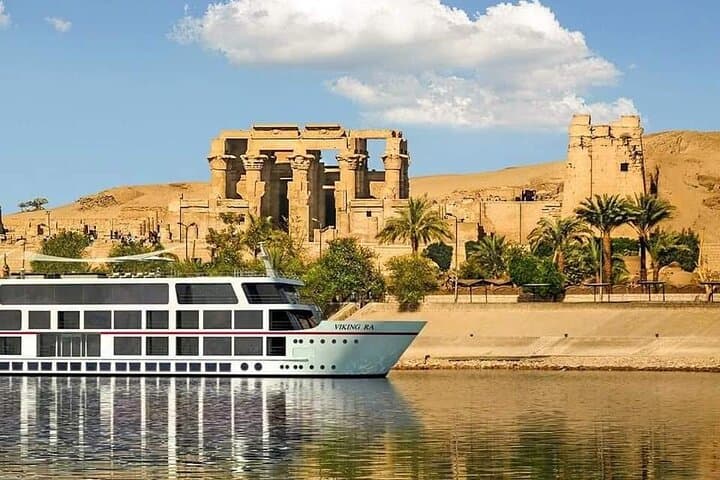
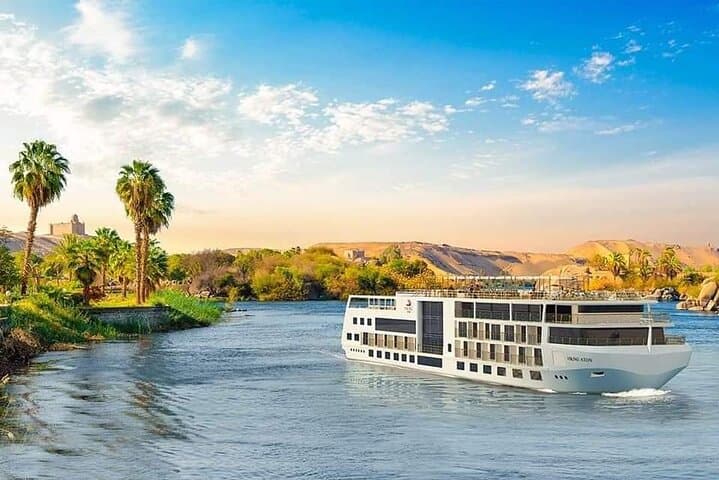
The city unfurls under a low, desert sun: Cairo’s traffic hum gives way to the slow river voice of the Nile, a ribbon of green through ochre plains. On this seven-day route — city museums, the Giza plateau, an overnight sleeper train, and a five-star Nile cruise — the landscape shifts between urban bustle, riverbanks dotted with palms, and the flat, stony desert that cradled pharaonic dynasties.
Verified experiences and guided adventures in the surrounding area.
Operated by Holiday in Egypt Travels · Cairo, Cairo Governorate
The city unfurls under a low, desert sun: Cairo’s traffic hum gives way to the slow river voice of the Nile, a ribbon of green through ochre plains. On this seven-day route — city museums, the Giza plateau, an overnight sleeper train, and a five-star Nile cruise — the landscape shifts between urban bustle, riverbanks dotted with palms, and the flat, stony desert that cradled pharaonic dynasties.
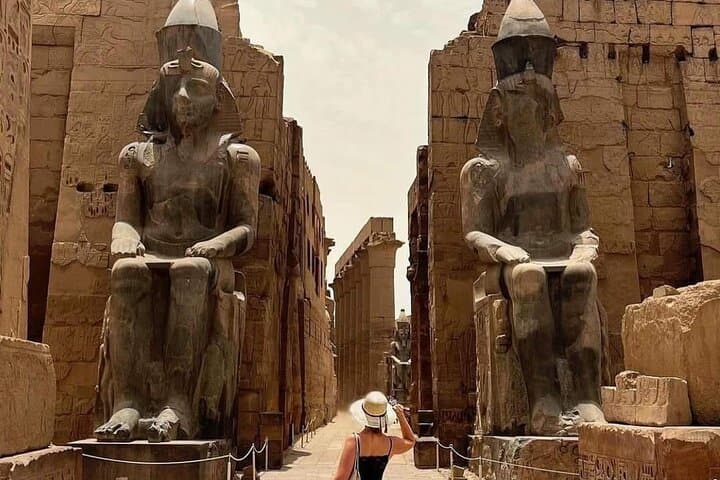
Geology here is plain and practical: wind-polished sandstone and limestone build the pyramids and temple walls, while Nile silt has fed farming for millennia. History sits almost within reach — Old Kingdom tombs at Giza, New Kingdom grandeur in Luxor, the Roman-era preservation of Edfu, and Philae’s island temple rebuilt stone by stone after Aswan’s dam altered the river.
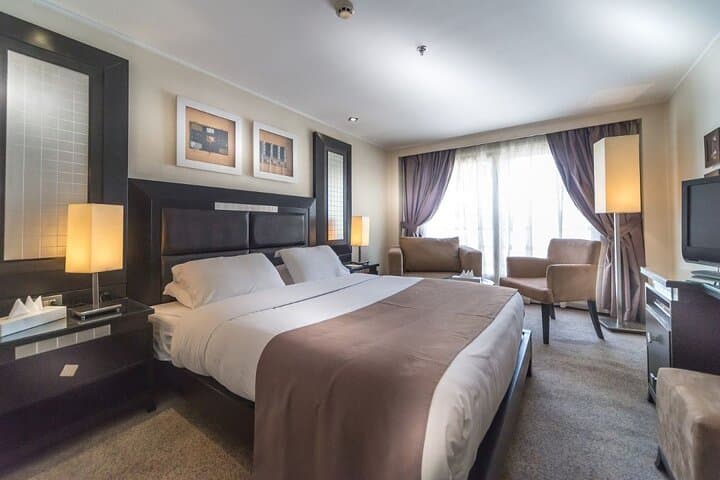
Cultural notes: itineraries hinge on Egyptology guides who translate hieroglyphs into context, and meal rhythms often blend local staples with international options. The Nile cruise is both transport and basecamp, while the sleeper train is efficient but requires basic mobility and patience.
Practical guidance: plan for long days with short, intense visits — early starts are common to avoid heat and crowds. Pack sun protection, a sturdy daypack, and a lightweight scarf for temple etiquette. Carry local cash for small purchases and tips; confirm mobility needs with the operator if wheelchair access is required. Expect well-organized transfers but variable free time — treat the trip as active cultural travel: part sightseeing sprint, part slow river voyage.
moderate.
7–8 days.
Suitable for travelers in average fitness who can manage stairs, short hikes, and multiple daily walks; some mobility required for train and boat transfers.
Yes; the itinerary includes guided transfers and group excursions, though single travelers should confirm single-room options and be comfortable with shared cruise dining.
Some guided tours include sightseeing but many site admissions (Giza plateau, museum entries, hot-air balloon, Abu Simbel optional) may be extra; confirm with the operator before departure.
Yes; the itinerary notes private transfers and flexibility to adjust drop-off to hotels or airports—communicate pickup details at booking.
Both are low-impact but require boarding steps and moving luggage; travelers with limited mobility should advise the operator to arrange assistance.
This corridor is the backbone of ancient Egypt: pharaonic burial sites and river temples reflect millennia of centralized agriculture and ritual aligned to the Nile’s floods.
Rising tourism and water management projects have impacted Nile ecology and site stability; follow local guidance, avoid littering, and support operators who use responsible anchoring and waste practices.
Holiday in Egypt Travels operates guided outdoor trips and adventures with an emphasis on safety, stewardship, and memorable experiences.
The city unfurls under a low, desert sun: Cairo’s traffic hum gives way to the slow river voice of the Nile, a ribbon of green through ochre plains. On this seven-day route — city museums, the Giza plateau, an overnight sleeper train, and a five-star Nile cruise — the landscape shifts between urban bustle, riverbanks dotted with palms, and the flat, stony desert that cradled pharaonic dynasties.
The city unfurls under a low, desert sun: Cairo’s traffic hum gives way to the slow river voice of the Nile, a ribbon of green through ochre plains. On this seven-day route — city museums, the Giza plateau, an overnight sleeper train, and a five-star Nile cruise — the landscape shifts between urban bustle, riverbanks dotted with palms, and the flat, stony desert that cradled pharaonic dynasties.
Geology here is plain and practical: wind-polished sandstone and limestone build the pyramids and temple walls, while Nile silt has fed farming for millennia. History sits almost within reach — Old Kingdom tombs at Giza, New Kingdom grandeur in Luxor, the Roman-era preservation of Edfu, and Philae’s island temple rebuilt stone by stone after Aswan’s dam altered the river.
Cultural notes: itineraries hinge on Egyptology guides who translate hieroglyphs into context, and meal rhythms often blend local staples with international options. The Nile cruise is both transport and basecamp, while the sleeper train is efficient but requires basic mobility and patience.
Practical guidance: plan for long days with short, intense visits — early starts are common to avoid heat and crowds. Pack sun protection, a sturdy daypack, and a lightweight scarf for temple etiquette. Carry local cash for small purchases and tips; confirm mobility needs with the operator if wheelchair access is required. Expect well-organized transfers but variable free time — treat the trip as active cultural travel: part sightseeing sprint, part slow river voyage.