THE ADVENTURE COLLECTIVE® · Independent discovery and booking for outdoor travel

Travel the ancient Incan road through Quebrada de Humahuaca on a full-day tour from Salta. See Purmamarca’s Seven Colors hill, Tilcara’s Pucará ruins and centuries-old Cuzco School paintings while guided through desert valleys and indigenous markets.
Travel the ancient Incan road through Quebrada de Humahuaca on a full-day tour from Salta. See Purmamarca’s Seven Colors hill, Tilcara’s Pucará ruins and centuries-old Cuzco School paintings while guided through desert valleys and indigenous markets.
You step from the air-conditioned minibus into a high-altitude valley where the wind has been carving cliffs for millennia. The road narrows, rock strata tilt like pages in an open book, and a strip of adobe roofs marks Purmamarca against the base of the Cerro de los Siete Colores. Light slides across bands of ocher, emerald and plum; the colors change as you move.
Verified experiences and guided adventures in the surrounding area.
Operated by Tangol · Purmamarca, Jujuy
You step from the air-conditioned minibus into a high-altitude valley where the wind has been carving cliffs for millennia. The road narrows, rock strata tilt like pages in an open book, and a strip of adobe roofs marks Purmamarca against the base of the Cerro de los Siete Colores. Light slides across bands of ocher, emerald and plum; the colors change as you move.
This gorge—Quebrada de Humahuaca—was a pre-Columbian caravan route and later a colonial artery. The valley’s geology records tectonic uplift and sedimentary cycles; exposed layers show why local artisans and communities settled here. Indigenous Quechua and Aymara traditions remain visible in markets, in weaving techniques and in the Cuzco School paintings held in tiny churches in Uquía and Humahuaca.
A stop at Tilcara adds archaeology: climb to the Pucará ruins for sweeping valley views and to assess how settlements used terraces and water channels. In Humahuaca, colonial plazas meet mountain weather and regional cuisine—salteñas and llama steaks are common lunch options.
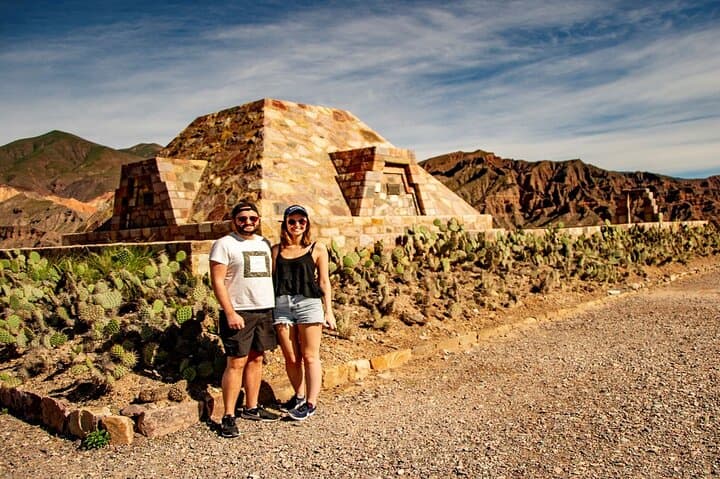
Practicalities: this is a full 8-hour loop best done from Salta; travel is mostly by vehicle with short walks, some stairs and short climbs. Sun can be intense at altitude—bring layers, sunscreen and water. Expect dusty trails, sudden wind and excellent photo opportunities at the Seven Colors hill, La Paleta del Pintor and the Tropic of Capricorn marker. Guides provide context, but allow time for market browsing and a relaxed lunch. This trip suits travelers who want geological spectacle, cultural encounters and straightforward logistics in one long day.
easy.
8 hours.
Suitable for most fitness levels; expect short walks, stairs and brief climbs—no sustained hiking required.
The tour runs about 8 hours from Salta and includes Purmamarca and the Seven Colors, Tilcara and the Pucará ruins, Huacalera, Uquía and Humahuaca with time for lunch in Humahuaca.
Yes—transport is by vehicle with short, optional walks; travelers with mobility limits should note there are stairs and uneven ground at ruins and churches.
Yes—carry Argentine pesos for market purchases, small museum fees and lunch in towns where cards may not be accepted.
Altitude is moderate (1,500–3,000 m on route); acclimate in Salta, avoid heavy exertion on arrival and bring water—those with severe heart or respiratory issues should consult a doctor.
The quebrada was an Incan caravan route and later a colonial trade road; its towns preserve indigenous traditions and Cuzco School religious painting.
This is an arid, fragile landscape—stick to paths, avoid collecting cultural artifacts and support local vendors to keep tourism benefits in the community.
Tangol operates guided outdoor trips and adventures with an emphasis on safety, stewardship, and memorable experiences.
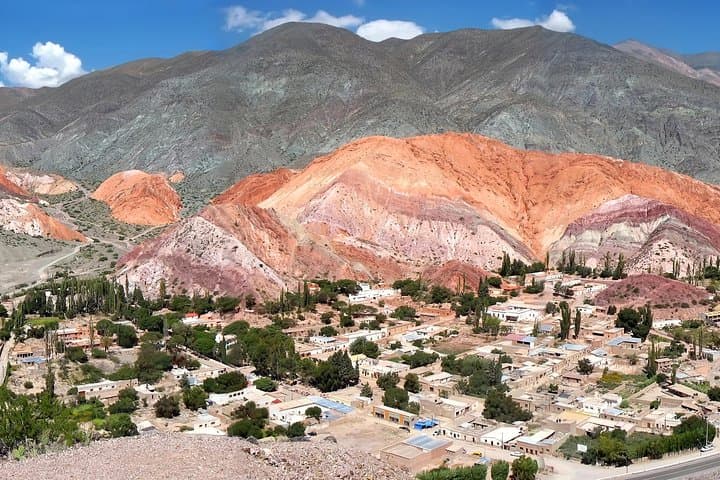
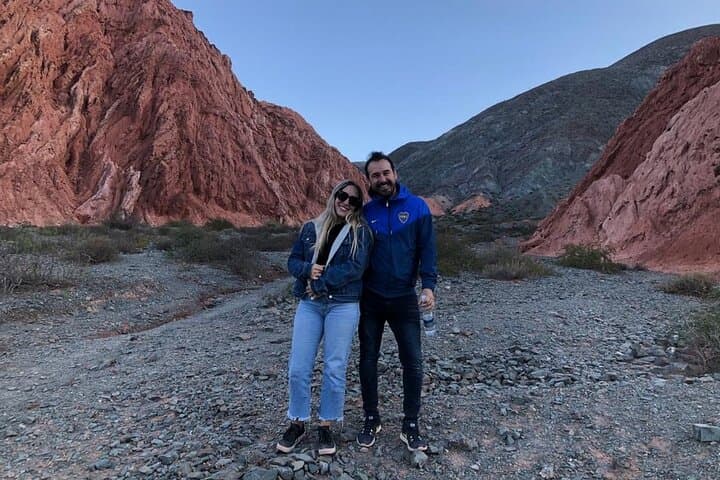
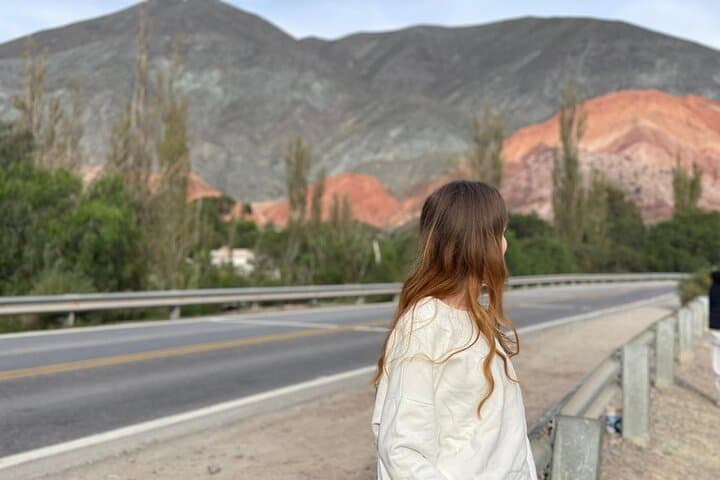
You step from the air-conditioned minibus into a high-altitude valley where the wind has been carving cliffs for millennia. The road narrows, rock strata tilt like pages in an open book, and a strip of adobe roofs marks Purmamarca against the base of the Cerro de los Siete Colores. Light slides across bands of ocher, emerald and plum; the colors change as you move.
You step from the air-conditioned minibus into a high-altitude valley where the wind has been carving cliffs for millennia. The road narrows, rock strata tilt like pages in an open book, and a strip of adobe roofs marks Purmamarca against the base of the Cerro de los Siete Colores. Light slides across bands of ocher, emerald and plum; the colors change as you move.
This gorge—Quebrada de Humahuaca—was a pre-Columbian caravan route and later a colonial artery. The valley’s geology records tectonic uplift and sedimentary cycles; exposed layers show why local artisans and communities settled here. Indigenous Quechua and Aymara traditions remain visible in markets, in weaving techniques and in the Cuzco School paintings held in tiny churches in Uquía and Humahuaca.
A stop at Tilcara adds archaeology: climb to the Pucará ruins for sweeping valley views and to assess how settlements used terraces and water channels. In Humahuaca, colonial plazas meet mountain weather and regional cuisine—salteñas and llama steaks are common lunch options.
Practicalities: this is a full 8-hour loop best done from Salta; travel is mostly by vehicle with short walks, some stairs and short climbs. Sun can be intense at altitude—bring layers, sunscreen and water. Expect dusty trails, sudden wind and excellent photo opportunities at the Seven Colors hill, La Paleta del Pintor and the Tropic of Capricorn marker. Guides provide context, but allow time for market browsing and a relaxed lunch. This trip suits travelers who want geological spectacle, cultural encounters and straightforward logistics in one long day.