THE ADVENTURE COLLECTIVE® · Independent discovery and booking for outdoor travel

See Quebec City’s fortified Old Town, Place Royale and the Plains of Abraham from the comfort of an air-conditioned coach while a bilingual guide traces the city’s French and British history. This two-hour panoramic tour is an efficient primer for first-time visitors.
See Quebec City’s fortified Old Town, Place Royale and the Plains of Abraham from the comfort of an air-conditioned coach while a bilingual guide traces the city’s French and British history. This two-hour panoramic tour is an efficient primer for first-time visitors.
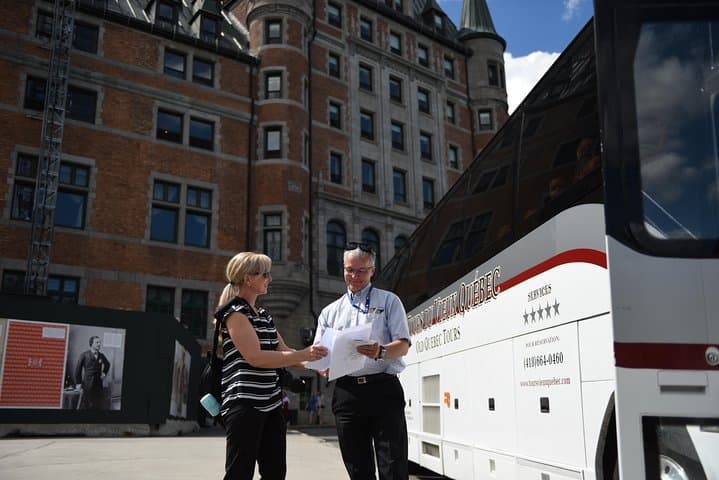
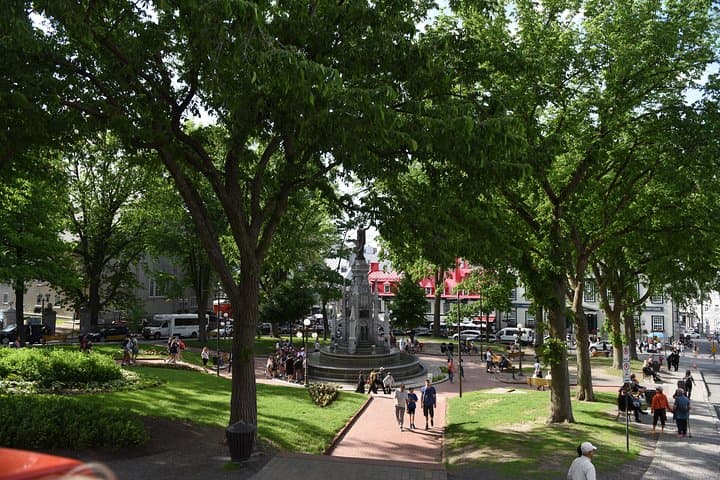
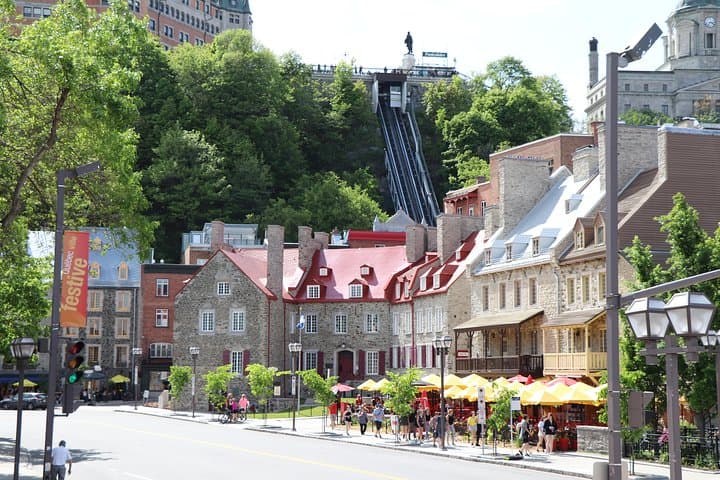
The city opens slowly as the bus rounds the bend above the St. Lawrence, roofs and turrets catching low sunlight while the river dares you to look away. Passengers settle in; a bilingual guide sets the pace with concise stories that stitch Château Frontenac to the narrow lanes below. Windows frame Place Royale, the ramparts and the green sweep of the Plains of Abraham — a compact portrait of French Canada rolled out in two hours.
Verified experiences and guided adventures in the surrounding area.
Operated by Unitours · Quebec City, Quebec
The city opens slowly as the bus rounds the bend above the St. Lawrence, roofs and turrets catching low sunlight while the river dares you to look away. Passengers settle in; a bilingual guide sets the pace with concise stories that stitch Château Frontenac to the narrow lanes below. Windows frame Place Royale, the ramparts and the green sweep of the Plains of Abraham — a compact portrait of French Canada rolled out in two hours.
Quebec City’s stone walls and cobblestone streets reflect a layered history: a 17th-century French colonial core later contested by British forces, most famously at the 1759 Battle of the Plains of Abraham. Geologically, the city sits on the Laurentian Plateau where glacial action scoured bedrock and left terraces that shape today’s promenades. Culturally, francophone traditions are visible in street names, cafés and the cadence of the guides’ commentary.
Practical guidance: the route passes key viewpoints and includes short stops at Place Royale and a walkable stretch of lower town — expect stepped streets and uneven paving. Bring a camera with extra battery, a compact layer for changing river winds, and comfortable shoes for brief walks off the coach.
Timing is important: morning light favors river views; late afternoon brings warm tones on stone facades. The tour is accessible for most travelers but involves short periods of standing and boarding a coach. For travelers wanting a fast, informative orientation to Quebec City’s history and visual highlights, this panoramic bus tour is a focused, efficient option.
easy.
2 hours.
Suitable for all fitness levels; must be able to board a coach and negotiate short cobbled sections
The panoramic bus tour lasts approximately 2 hours, including brief walking stops at Place Royale and a nearby street.
Yes; the guide offers commentary in English and French, depending on passenger mix.
The tour starts and finishes near the central meeting point by the port and promenade; specific pickup is listed on your voucher—arrive 15 minutes early.
The coach portion is suitable for most travelers, but walking stops include cobblestones and stairs; contact the operator ahead for accessibility accommodations.
Founded by Samuel de Champlain in 1608, Quebec City preserves North America’s most intact fortified colonial core and stone ramparts built over centuries of military and civic planning.
Old Quebec is a UNESCO site with strict rules about signage, waste and commercial activity—follow posted paths, pack out trash, and avoid feeding wildlife to reduce human impact.
Unitours operates guided outdoor trips and adventures with an emphasis on safety, stewardship, and memorable experiences.
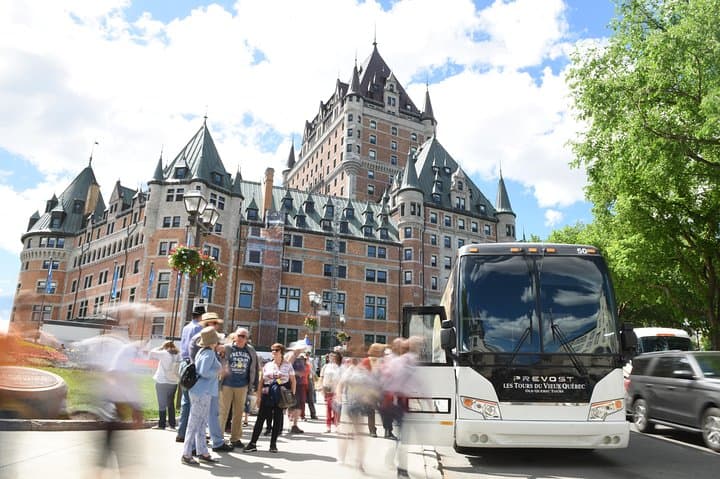
The city opens slowly as the bus rounds the bend above the St. Lawrence, roofs and turrets catching low sunlight while the river dares you to look away. Passengers settle in; a bilingual guide sets the pace with concise stories that stitch Château Frontenac to the narrow lanes below. Windows frame Place Royale, the ramparts and the green sweep of the Plains of Abraham — a compact portrait of French Canada rolled out in two hours.
The city opens slowly as the bus rounds the bend above the St. Lawrence, roofs and turrets catching low sunlight while the river dares you to look away. Passengers settle in; a bilingual guide sets the pace with concise stories that stitch Château Frontenac to the narrow lanes below. Windows frame Place Royale, the ramparts and the green sweep of the Plains of Abraham — a compact portrait of French Canada rolled out in two hours.
Quebec City’s stone walls and cobblestone streets reflect a layered history: a 17th-century French colonial core later contested by British forces, most famously at the 1759 Battle of the Plains of Abraham. Geologically, the city sits on the Laurentian Plateau where glacial action scoured bedrock and left terraces that shape today’s promenades. Culturally, francophone traditions are visible in street names, cafés and the cadence of the guides’ commentary.
Practical guidance: the route passes key viewpoints and includes short stops at Place Royale and a walkable stretch of lower town — expect stepped streets and uneven paving. Bring a camera with extra battery, a compact layer for changing river winds, and comfortable shoes for brief walks off the coach.
Timing is important: morning light favors river views; late afternoon brings warm tones on stone facades. The tour is accessible for most travelers but involves short periods of standing and boarding a coach. For travelers wanting a fast, informative orientation to Quebec City’s history and visual highlights, this panoramic bus tour is a focused, efficient option.