THE ADVENTURE COLLECTIVE® · Independent discovery and booking for outdoor travel

Explore Old Quebec on a three-hour walking tour that covers fortified ramparts, Château Frontenac views, and the cultural pulse of Rue Saint-Jean. Ideal for first-time visitors seeking history, architecture, and guided local insights along the St. Lawrence.
Explore Old Quebec on a three-hour walking tour that covers fortified ramparts, Château Frontenac views, and the cultural pulse of Rue Saint-Jean. Ideal for first-time visitors seeking history, architecture, and guided local insights along the St. Lawrence.
The cobbles are cool underfoot as your group slips through the gates of Old Quebec, the fortified heart that keeps the city's past in plain view.
Verified experiences and guided adventures in the surrounding area.
Operated by Vancouver Toonie Tours Ltd. · Quebec City, Quebec
The cobbles are cool underfoot as your group slips through the gates of Old Quebec, the fortified heart that keeps the city's past in plain view.
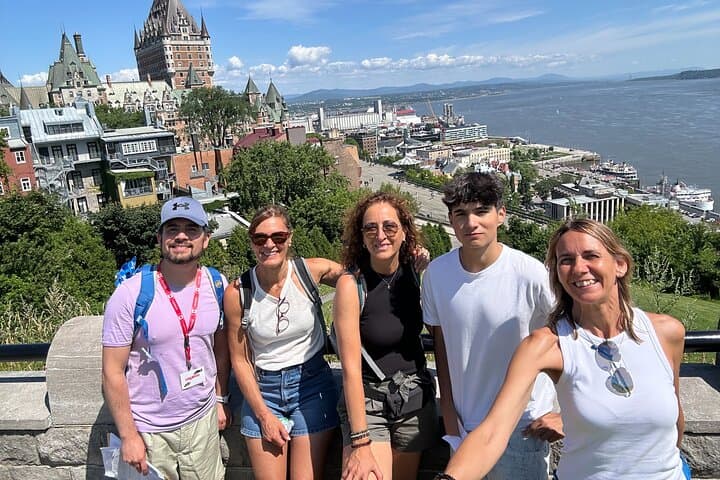
Guides pause on Dufferin Terrace so the St. Lawrence can stretch its gray-blue width below, daring you to imagine the ships and ice that shaped this valley. The route threads between Second Empire façades and narrow streets where the echo of French colonial life still shapes signage and conversation.
History here is visible: the ramparts that made Quebec the only fortified North American city north of Mexico, the markers of the Plains of Abraham where two empires met, and plaques that recall Samuel de Champlain’s founding moments. Geology shows itself in the wide river plain and the cliffs that lift Old Quebec above the Lower Town—an urban edge carved and exposed by glacial retreat and centuries of tides.
Culture feels immediate: galleries and museums presenting Indigenous voices sit a short walk from national assembly statues and lively cafes spilling onto Rue Saint-Jean. Local recommendations often steer visitors to Place-Royale’s quieter corners and the overlooked ramparts on the river side for sunset light.
Practical guidance: this three-hour, gratuity-based walk is mostly flat but uses cobblestones—sturdy shoes matter. Expect variable river winds, dress in layers, carry a small water bottle and a compact umbrella in shoulder seasons. Larger groups move deliberately; arrive a few minutes early with a charged phone (mobile ticket accepted). If you want photos without crowds, start earlier in the day.
easy.
3 hours.
Basic walking fitness; able to stand and walk for several hours with short breaks
The guided walk lasts approximately three hours and covers key viewpoints and historic streets within Old Quebec.
Yes—infants and small children can use strollers, but some cobblestone sections may be bumpy and require lifting.
Mobile tickets are accepted and instant confirmation is provided; booking ahead is recommended during peak season to secure a spot.
Language options depend on the guide and schedule—check the booking page or inquire with the operator if you need a specific language.
Quebec City grew as a fortified French colonial hub; its walls and the Plains of Abraham mark pivotal moments in North American imperial history.
Preservation of Old Quebec focuses on maintaining historic masonry and managing tourist foot traffic; support local businesses and stick to marked paths to reduce wear.
Vancouver Toonie Tours Ltd. operates guided outdoor trips and adventures with an emphasis on safety, stewardship, and memorable experiences.

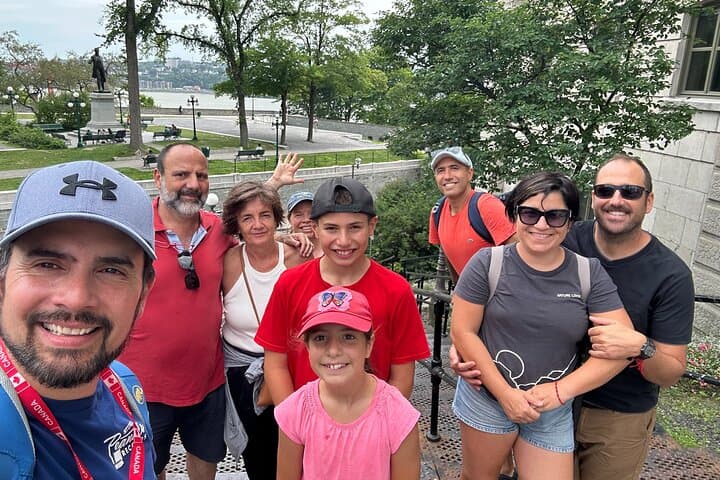

The cobbles are cool underfoot as your group slips through the gates of Old Quebec, the fortified heart that keeps the city's past in plain view.
The cobbles are cool underfoot as your group slips through the gates of Old Quebec, the fortified heart that keeps the city's past in plain view.
Guides pause on Dufferin Terrace so the St. Lawrence can stretch its gray-blue width below, daring you to imagine the ships and ice that shaped this valley. The route threads between Second Empire façades and narrow streets where the echo of French colonial life still shapes signage and conversation.
History here is visible: the ramparts that made Quebec the only fortified North American city north of Mexico, the markers of the Plains of Abraham where two empires met, and plaques that recall Samuel de Champlain’s founding moments. Geology shows itself in the wide river plain and the cliffs that lift Old Quebec above the Lower Town—an urban edge carved and exposed by glacial retreat and centuries of tides.
Culture feels immediate: galleries and museums presenting Indigenous voices sit a short walk from national assembly statues and lively cafes spilling onto Rue Saint-Jean. Local recommendations often steer visitors to Place-Royale’s quieter corners and the overlooked ramparts on the river side for sunset light.
Practical guidance: this three-hour, gratuity-based walk is mostly flat but uses cobblestones—sturdy shoes matter. Expect variable river winds, dress in layers, carry a small water bottle and a compact umbrella in shoulder seasons. Larger groups move deliberately; arrive a few minutes early with a charged phone (mobile ticket accepted). If you want photos without crowds, start earlier in the day.