THE ADVENTURE COLLECTIVE® · Independent discovery and booking for outdoor travel

Walk Old Quebec’s historic streets, explore the Grand Marché’s local produce, and visit a nearby market farm to learn how the region’s food is grown. This three-hour bilingual tour mixes architecture, agriculture and tasting local specialties.
Walk Old Quebec’s historic streets, explore the Grand Marché’s local produce, and visit a nearby market farm to learn how the region’s food is grown. This three-hour bilingual tour mixes architecture, agriculture and tasting local specialties.
Morning light catches the slate roofs of Old Quebec as the group steps away from the ramparts and into streets where stone and wind have a long memory.
Verified experiences and guided adventures in the surrounding area.
Morning light catches the slate roofs of Old Quebec as the group steps away from the ramparts and into streets where stone and wind have a long memory.
The guide frames the walk with local stories: 17th- and 18th-century architecture that grew from French colonial planning, the stubborn granite of Cap Diamant overlooking the St. Lawrence, and how farmland outside the city provided food and timber to early settlers. The route threads from narrow urban lanes to the Grand Marché, then out to a nearby market farm where orchard rows and pastureland open like a practical map of the region’s agricultural life.
At the market, vendors present cider, cheeses, maple products and sausages — each product a short geography lesson about Quebec’s microclimates and traditional foodways. The farm portion highlights soil types, small-scale crop rotations, and seasonal rhythms that shape produce availability. Cultural notes come naturally: bilingual signage, artisanal pride, and the seasonal festivals that punctuate local life.
Practical guidance follows: expect about three hours on mostly even pavement and short country lanes; wear supportive shoes for cobbles and farm tracks, and layer against coastal wind off the St. Lawrence. Bring a reusable bag for purchases, cash or card for market stalls, and water for the walk. Morning departures avoid afternoon crowds and give the best light for photos of the river and hillside orchards.
For travelers wanting an accessible mix of urban history and working countryside, this tour pairs close-up cultural context with tangible tastings and the rhythm of Quebec’s agricultural calendar.
easy.
3 hours.
Light walking ability; able to manage several short stair sections and uneven cobbles for a few hours.
Yes — the pace is relaxed and the market and farm are engaging for kids, but strollers may struggle on cobblestones and some farm tracks.
Tastings vary by vendor; small samples are common but full portions or purchases are usually paid for separately.
Yes, guides provide commentary in both English and French, often switching to suit the group.
The farm visit is typically a short drive or transfer from central Quebec City, arranged as part of the tour itinerary.
Quebec City is one of North America’s oldest European-founded settlements; its fortifications and street plan reflect French colonial design and centuries of strategic importance on the St. Lawrence River.
Local producers often favor small-batch, seasonal farming and Québec has active initiatives to reduce food waste at markets; visitors can support sustainability by buying local and minimizing packaging.
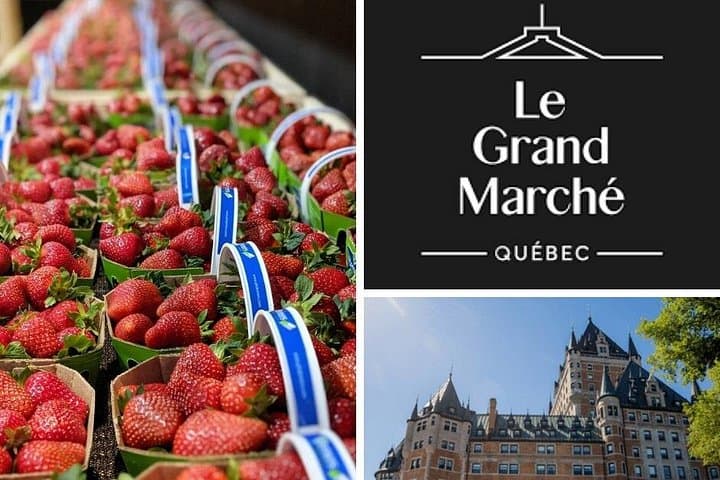
Morning light catches the slate roofs of Old Quebec as the group steps away from the ramparts and into streets where stone and wind have a long memory.
Morning light catches the slate roofs of Old Quebec as the group steps away from the ramparts and into streets where stone and wind have a long memory.
The guide frames the walk with local stories: 17th- and 18th-century architecture that grew from French colonial planning, the stubborn granite of Cap Diamant overlooking the St. Lawrence, and how farmland outside the city provided food and timber to early settlers. The route threads from narrow urban lanes to the Grand Marché, then out to a nearby market farm where orchard rows and pastureland open like a practical map of the region’s agricultural life.
At the market, vendors present cider, cheeses, maple products and sausages — each product a short geography lesson about Quebec’s microclimates and traditional foodways. The farm portion highlights soil types, small-scale crop rotations, and seasonal rhythms that shape produce availability. Cultural notes come naturally: bilingual signage, artisanal pride, and the seasonal festivals that punctuate local life.
Practical guidance follows: expect about three hours on mostly even pavement and short country lanes; wear supportive shoes for cobbles and farm tracks, and layer against coastal wind off the St. Lawrence. Bring a reusable bag for purchases, cash or card for market stalls, and water for the walk. Morning departures avoid afternoon crowds and give the best light for photos of the river and hillside orchards.
For travelers wanting an accessible mix of urban history and working countryside, this tour pairs close-up cultural context with tangible tastings and the rhythm of Quebec’s agricultural calendar.