THE ADVENTURE COLLECTIVE® · Independent discovery and booking for outdoor travel

A challenging four-day trek that links remote Inca quarries and high Andean passes to Ollantaytambo and Machu Picchu. Expect long high-altitude days, camping under cold stars, and close-up visits to rarely seen ruins.
A challenging four-day trek that links remote Inca quarries and high Andean passes to Ollantaytambo and Machu Picchu. Expect long high-altitude days, camping under cold stars, and close-up visits to rarely seen ruins.
Morning light slices the Andean peaks as your minivan climbs out of Cusco and drops you at Socma. The air is thin, the trail rough underfoot, and the ruins appear like deliberate interruptions in a living landscape—stonework half-finished, aqueduct channels traced into steep walls, waterfalls daring you to pause.
Verified experiences and guided adventures in the surrounding area.
Operated by GO PERU ADVENTURE · Cusco, Cusco
Morning light slices the Andean peaks as your minivan climbs out of Cusco and drops you at Socma. The air is thin, the trail rough underfoot, and the ruins appear like deliberate interruptions in a living landscape—stonework half-finished, aqueduct channels traced into steep walls, waterfalls daring you to pause.
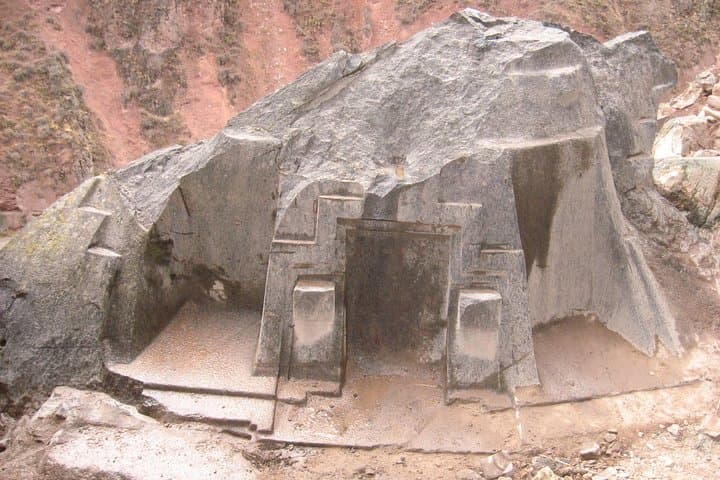
This route follows high-altitude Inca roads and abandoned quarries used to shape blocks for Ollantaytambo. Geology here is raw: fractured granite and andesite benches, glacially carved valleys, and steep moraines that frame the Vilcanota watershed. Villagers still tend terraced fields at unexpected elevations; their presence links modern Quechua life with Inca engineering and sacramental landscape use.
Over four days you’ll cross two 4,300–4,500 m passes, sleep in mountain camps, explore Cachicata quarry with its chullpas and half-cut blocks, then descend to Ollantaytambo and ride the train to Aguas Calientes. The final morning opens Machu Picchu as a living ruin—your guide outlining irrigation channels, urban sectors, and the site's astronomical alignments before free time to wander or attempt Huayna Picchu (book early).
Practical edge: acclimatize in Cusco for 48 hours if possible, pack layers for freezing nights and strong sun by day, and carry water plus altitude meds. Expect rocky, steep ascents and loose scree on descents; good boots and trekking poles reduce strain. The trip blends archaeology, high-mountain terrain, and local culture—an intimate, less-traveled route to one of the Andes’ greatest viewpoints.
challenging.
4 days.
Requires high aerobic fitness and experience with multi-day trekking at altitude; able to sustain 6–8 hour days with elevation gain.
Yes—this trip includes an entrance ticket to Machu Picchu and a guided 2-hour site tour on Day 4.
Prior experience at 3,000–4,000 m is strongly recommended; the itinerary reaches 4,500 m and demands good acclimatization.
Camping equipment is provided (tents and basic sleeping mattress) and the operator allows 5 kg of luggage per trekker to be carried by mule.
Yes, but Huayna Picchu tickets are limited and must be requested at least two weeks in advance; the operator can assist with booking.
The trail runs past quarries used by the Incas to extract and shape stone for major sites like Ollantaytambo; many unfinished stones remain where work stopped centuries ago.
Trail erosion and campsite impact are concerns—stay on paths, pack out waste, and respect local grazing areas to reduce footprint.
GO PERU ADVENTURE operates guided outdoor trips and adventures with an emphasis on safety, stewardship, and memorable experiences.
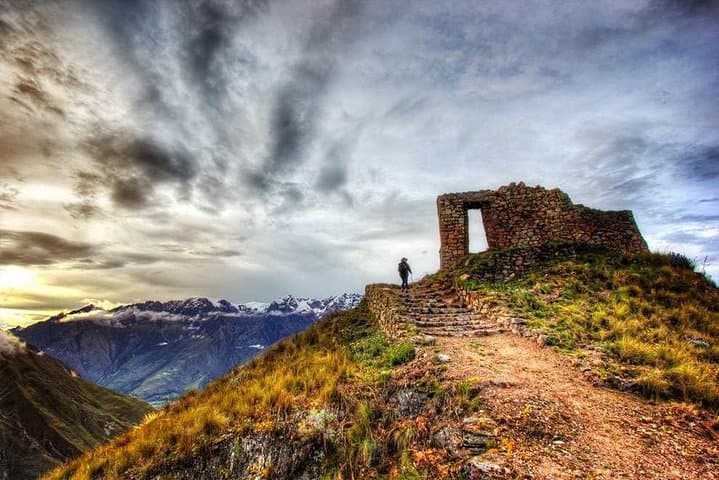
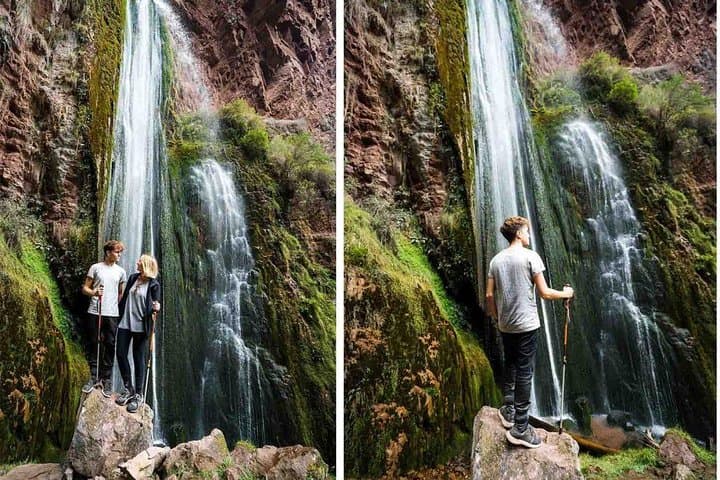
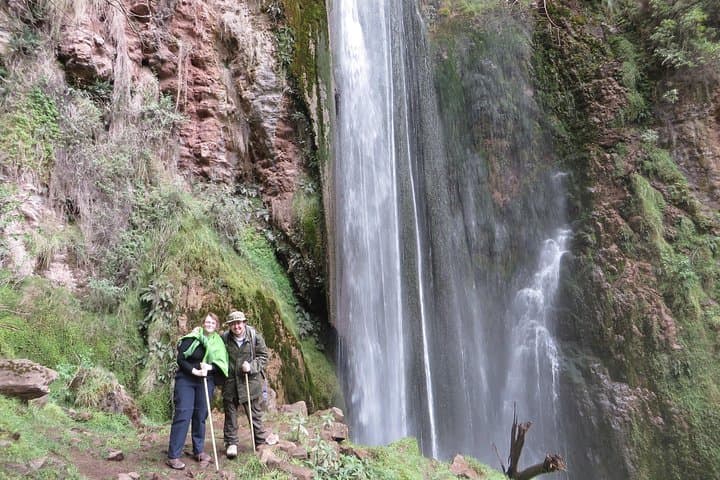
Morning light slices the Andean peaks as your minivan climbs out of Cusco and drops you at Socma. The air is thin, the trail rough underfoot, and the ruins appear like deliberate interruptions in a living landscape—stonework half-finished, aqueduct channels traced into steep walls, waterfalls daring you to pause.
Morning light slices the Andean peaks as your minivan climbs out of Cusco and drops you at Socma. The air is thin, the trail rough underfoot, and the ruins appear like deliberate interruptions in a living landscape—stonework half-finished, aqueduct channels traced into steep walls, waterfalls daring you to pause.
This route follows high-altitude Inca roads and abandoned quarries used to shape blocks for Ollantaytambo. Geology here is raw: fractured granite and andesite benches, glacially carved valleys, and steep moraines that frame the Vilcanota watershed. Villagers still tend terraced fields at unexpected elevations; their presence links modern Quechua life with Inca engineering and sacramental landscape use.
Over four days you’ll cross two 4,300–4,500 m passes, sleep in mountain camps, explore Cachicata quarry with its chullpas and half-cut blocks, then descend to Ollantaytambo and ride the train to Aguas Calientes. The final morning opens Machu Picchu as a living ruin—your guide outlining irrigation channels, urban sectors, and the site's astronomical alignments before free time to wander or attempt Huayna Picchu (book early).
Practical edge: acclimatize in Cusco for 48 hours if possible, pack layers for freezing nights and strong sun by day, and carry water plus altitude meds. Expect rocky, steep ascents and loose scree on descents; good boots and trekking poles reduce strain. The trip blends archaeology, high-mountain terrain, and local culture—an intimate, less-traveled route to one of the Andes’ greatest viewpoints.