THE ADVENTURE COLLECTIVE® · Independent discovery and booking for outdoor travel

A full-day cultural escape from Hanoi that pairs Quang Phu Cau’s red incense yards with a serene boat ride to the Perfume Pagoda. Learn traditional incense-making, ride Yen Stream, and explore cave shrines on a 6-hour guided tour.
A full-day cultural escape from Hanoi that pairs Quang Phu Cau’s red incense yards with a serene boat ride to the Perfume Pagoda. Learn traditional incense-making, ride Yen Stream, and explore cave shrines on a 6-hour guided tour.
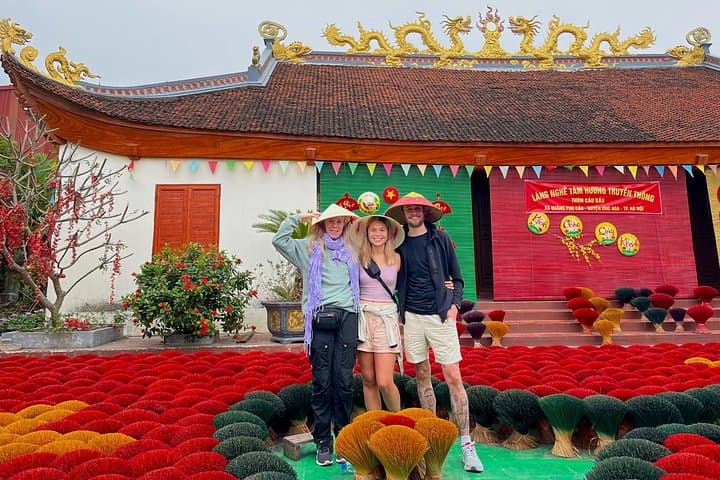
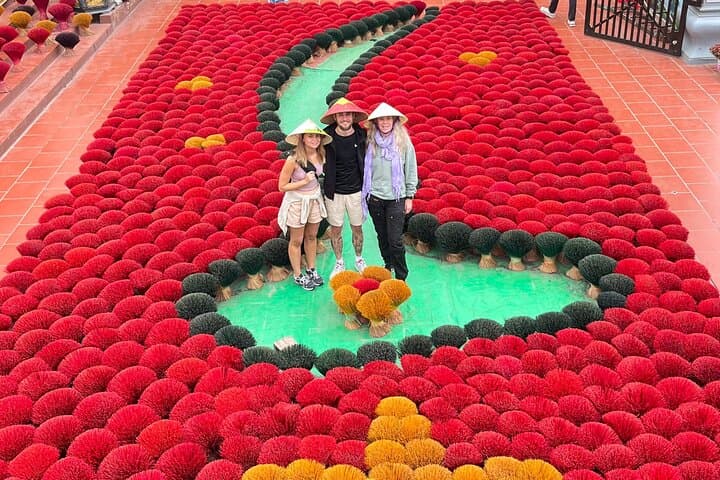
You step out of Hanoi’s traffic into green rice flats and a string of low villages; the air changes and a faint, spicy smoke begins to follow you. Quang Phu Cau announces itself with rows of bright red incense sticks drying in sunlit yards, villagers moving through narrow lanes with bundles balanced on their shoulders. The scent is constant, an invisible current that guides you toward the river and the small boats that will ferry you to the Perfume Pagoda.
Verified experiences and guided adventures in the surrounding area.
Operated by Wanderlust Travel · Hanoi, Hanoi
You step out of Hanoi’s traffic into green rice flats and a string of low villages; the air changes and a faint, spicy smoke begins to follow you. Quang Phu Cau announces itself with rows of bright red incense sticks drying in sunlit yards, villagers moving through narrow lanes with bundles balanced on their shoulders. The scent is constant, an invisible current that guides you toward the river and the small boats that will ferry you to the Perfume Pagoda.
The Perfume Pagoda complex occupies limestone karst that has been carved by water over millennia, producing caves and grottoes used for worship since the early modern period. Pilgrims have been arriving here for centuries to climb, pray, and visit Huong Tich cave’s cavern shrines. The region’s rice fields and waterways shape local life—boats are not transport but ritual, and incense-making is both craft and economy.
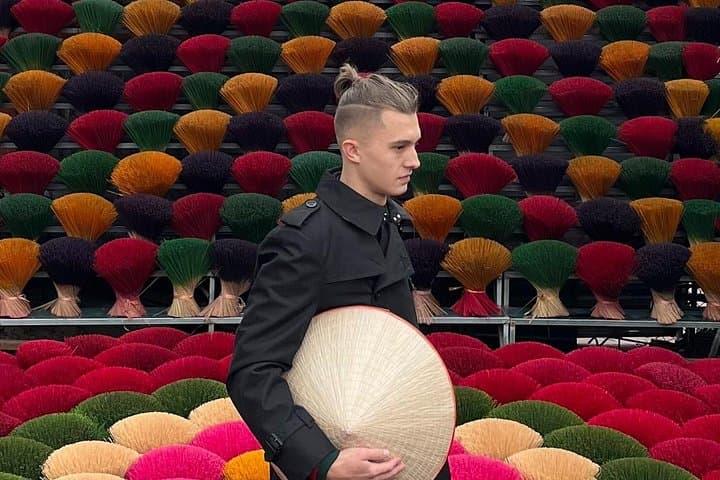
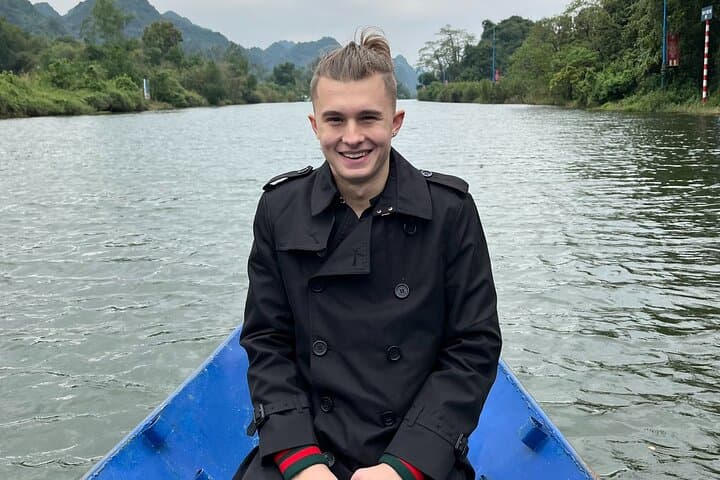
Expect close-up cultural interaction in Quang Phu Cau: watch the incense paste being formed, try your hand at rolling and drying, and photograph stacked crimson rows. The boat ride up Yen Stream is quiet and green, with temples and reed edges sliding past like pages. The pagoda ascent can be on foot or by cable car; both offer different perspectives on the limestone ridges and terraced plots below.
Practical guidance: allow a full day (about six hours), wear grippy shoes for slippery steps, carry sun and rain protection, and bring small change for temple donations. Hydrate before the climb, keep camera batteries topped up, and be respectful in sacred spaces—remove hats and speak softly inside shrines.
easy.
6 hours.
Suitable for most fitness levels—includes short walks, optional climb to pagoda or cable car alternative
The tour is approximately six hours and includes private transportation from central Hanoi to the villages and Perfume Pagoda area.
You can walk or take the cable car—walking includes many steps but is manageable for most visitors with regular mobility and rests available along the way.
Yes; Quang Phu Cau offers hands-on demonstrations where visitors can try forming and drying incense under local guidance.
Small wooden boats are used on Yen Stream; operators provide basic life vests and trips are calm—exercise usual caution with young children.
The Perfume Pagoda has been a significant Buddhist pilgrimage complex for centuries, expanded through the 17th–19th centuries with temples, caves, and carving added over time.
Travelers should avoid single-use plastics, follow local guidance on where to walk and photograph, and respect temple rules to help preserve sacred sites and the karst environment.
Wanderlust Travel operates guided outdoor trips and adventures with an emphasis on safety, stewardship, and memorable experiences.
You step out of Hanoi’s traffic into green rice flats and a string of low villages; the air changes and a faint, spicy smoke begins to follow you. Quang Phu Cau announces itself with rows of bright red incense sticks drying in sunlit yards, villagers moving through narrow lanes with bundles balanced on their shoulders. The scent is constant, an invisible current that guides you toward the river and the small boats that will ferry you to the Perfume Pagoda.
You step out of Hanoi’s traffic into green rice flats and a string of low villages; the air changes and a faint, spicy smoke begins to follow you. Quang Phu Cau announces itself with rows of bright red incense sticks drying in sunlit yards, villagers moving through narrow lanes with bundles balanced on their shoulders. The scent is constant, an invisible current that guides you toward the river and the small boats that will ferry you to the Perfume Pagoda.
The Perfume Pagoda complex occupies limestone karst that has been carved by water over millennia, producing caves and grottoes used for worship since the early modern period. Pilgrims have been arriving here for centuries to climb, pray, and visit Huong Tich cave’s cavern shrines. The region’s rice fields and waterways shape local life—boats are not transport but ritual, and incense-making is both craft and economy.
Expect close-up cultural interaction in Quang Phu Cau: watch the incense paste being formed, try your hand at rolling and drying, and photograph stacked crimson rows. The boat ride up Yen Stream is quiet and green, with temples and reed edges sliding past like pages. The pagoda ascent can be on foot or by cable car; both offer different perspectives on the limestone ridges and terraced plots below.
Practical guidance: allow a full day (about six hours), wear grippy shoes for slippery steps, carry sun and rain protection, and bring small change for temple donations. Hydrate before the climb, keep camera batteries topped up, and be respectful in sacred spaces—remove hats and speak softly inside shrines.