THE ADVENTURE COLLECTIVE® · Independent discovery and booking for outdoor travel

Race through palm groves and across river crossings on a half-day quad tour from Agdz that pairs panoramic viewpoints with visits to Kasbah Tamnougalt and an Amazigh village. Expect dusty trails, scenic photo stops and a close-up look at life along Morocco’s longest river.
Race through palm groves and across river crossings on a half-day quad tour from Agdz that pairs panoramic viewpoints with visits to Kasbah Tamnougalt and an Amazigh village. Expect dusty trails, scenic photo stops and a close-up look at life along Morocco’s longest river.
The engine rumbles, dust lifts and a ribbon of date palms unfurls ahead as you pull away from Agdz—quad tires biting a mosaic of rock, sand and packed earth. The Draa River dares you to look long enough to forget the machine beneath you; palms lean like old hands pointing toward the valley and Mount Kissane crowns the horizon.
Verified experiences and guided adventures in the surrounding area.
Operated by Discover Draa Valley · Agdz, Drâa-Tafilalet
The engine rumbles, dust lifts and a ribbon of date palms unfurls ahead as you pull away from Agdz—quad tires biting a mosaic of rock, sand and packed earth. The Draa River dares you to look long enough to forget the machine beneath you; palms lean like old hands pointing toward the valley and Mount Kissane crowns the horizon.
This half-day route threads natural and cultural history. The Draa Valley formed where Atlas runoff meets Saharan margins, creating Morocco’s longest river oasis and a chain of palm-grove settlements shaped by centuries of Amazigh agriculture and caravan trade. Kasbah Tamnougalt stands as a weathered stronghold of local architecture and stories; guides often recount how these kasbahs once regulated water and routes through the valley.
Riding the quad delivers sudden panoramas—hilltop lookouts, a river crossing lined with reeds, then the intimacy of village lanes where goats wander and terraced fields cling to the banks. Expect sun-baked rock, occasional sand corridors and trails scored by irrigation channels; the terrain asks for steady throttle and situational awareness.
Practical notes: wear closed-toe shoes and eye protection, bring at least 1–1.5 liters of water, and plan for bright sun or gusting winds depending on season. Photography stops are built in—keep your camera secure when riding. Respect local life: pause, ask before photographing people, and follow your guide’s directions at kasbah sites. By the ride’s end you’ll have seen river, mountain and village stitched together—the Draa’s landscape urging you onward even as you head back to Agdz.
moderate.
4 hours.
Light physical requirements—able to mount/ride a quad and handle bumps for several hours; not strenuous but requires stamina for sun and motion.
No—guides provide a safety briefing and basic handling instructions; prior off-road experience helps but isn’t required.
Age and passenger limits vary by operator; typically riders must meet a minimum age and sign liability forms—confirm when booking.
Yes—this itinerary includes time to explore Kasbah Tamnougalt and a visit through the Amazigh village of Afra with cultural insights from your guide.
Tours can be canceled for bad weather; operators usually offer full refunds if canceled 24 hours prior or on the day for unsafe conditions.
The Draa Valley has been an agricultural and caravan corridor for centuries; local kasbahs once managed water rights and protected trade routes between the High Atlas and the Sahara.
The palm oases depend on fragile groundwater and seasonal flows—stay on trails, avoid litter and respect irrigation channels to reduce impact on local agriculture.
Discover Draa Valley operates guided outdoor trips and adventures with an emphasis on safety, stewardship, and memorable experiences.


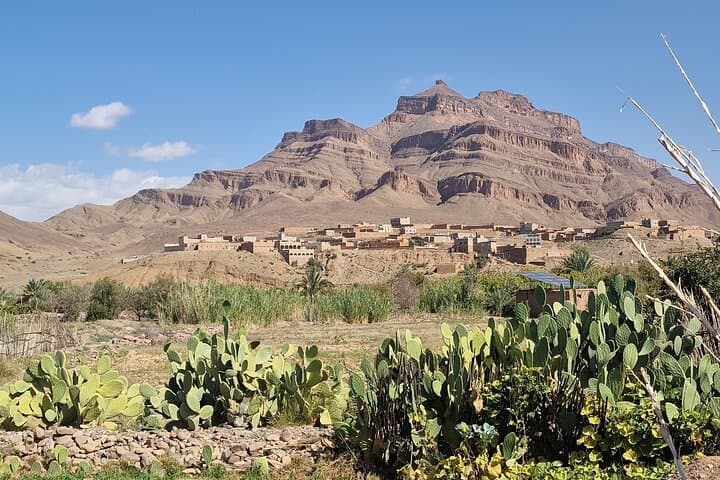
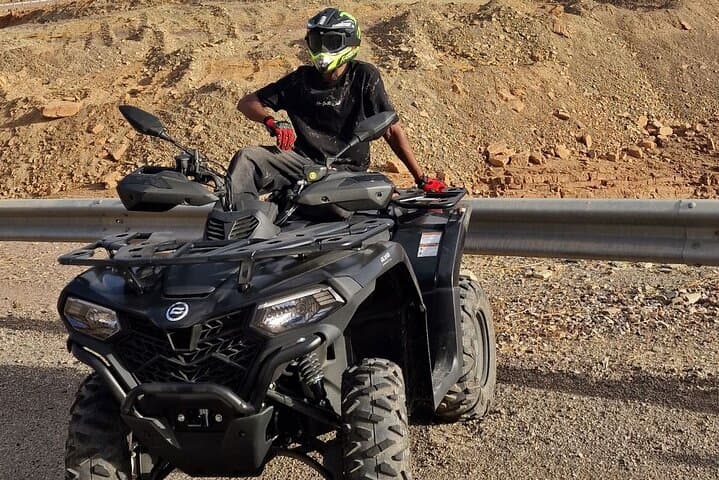
The engine rumbles, dust lifts and a ribbon of date palms unfurls ahead as you pull away from Agdz—quad tires biting a mosaic of rock, sand and packed earth. The Draa River dares you to look long enough to forget the machine beneath you; palms lean like old hands pointing toward the valley and Mount Kissane crowns the horizon.
The engine rumbles, dust lifts and a ribbon of date palms unfurls ahead as you pull away from Agdz—quad tires biting a mosaic of rock, sand and packed earth. The Draa River dares you to look long enough to forget the machine beneath you; palms lean like old hands pointing toward the valley and Mount Kissane crowns the horizon.
This half-day route threads natural and cultural history. The Draa Valley formed where Atlas runoff meets Saharan margins, creating Morocco’s longest river oasis and a chain of palm-grove settlements shaped by centuries of Amazigh agriculture and caravan trade. Kasbah Tamnougalt stands as a weathered stronghold of local architecture and stories; guides often recount how these kasbahs once regulated water and routes through the valley.
Riding the quad delivers sudden panoramas—hilltop lookouts, a river crossing lined with reeds, then the intimacy of village lanes where goats wander and terraced fields cling to the banks. Expect sun-baked rock, occasional sand corridors and trails scored by irrigation channels; the terrain asks for steady throttle and situational awareness.
Practical notes: wear closed-toe shoes and eye protection, bring at least 1–1.5 liters of water, and plan for bright sun or gusting winds depending on season. Photography stops are built in—keep your camera secure when riding. Respect local life: pause, ask before photographing people, and follow your guide’s directions at kasbah sites. By the ride’s end you’ll have seen river, mountain and village stitched together—the Draa’s landscape urging you onward even as you head back to Agdz.