THE ADVENTURE COLLECTIVE® · Independent discovery and booking for outdoor travel

Combine adrenaline and archaeology: a half‑day quad tour through the Sacred Valley to Moray’s circular terraces and the tiered salt pans of Maras. Expect rough tracks, high‑altitude light, and hands‑on local culture.
Combine adrenaline and archaeology: a half‑day quad tour through the Sacred Valley to Moray’s circular terraces and the tiered salt pans of Maras. Expect rough tracks, high‑altitude light, and hands‑on local culture.
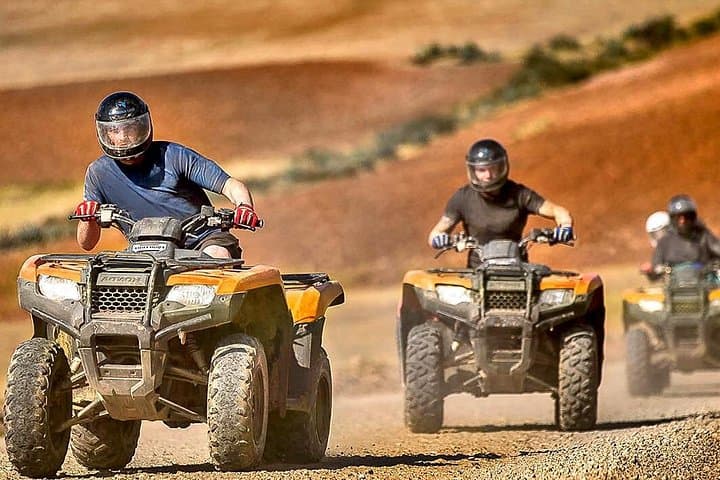
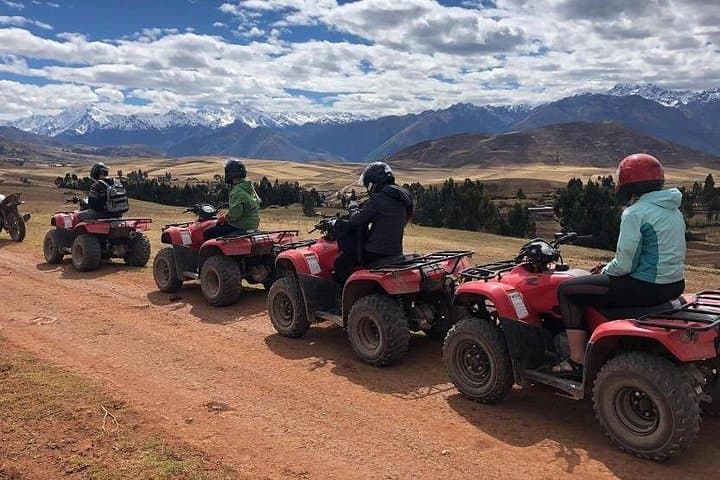
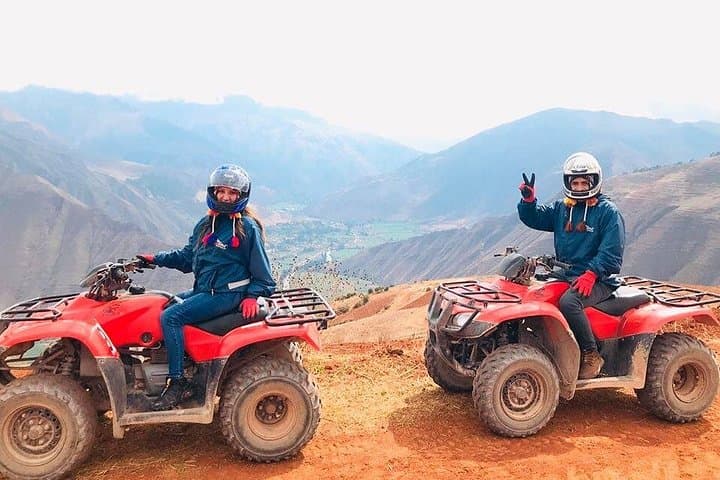
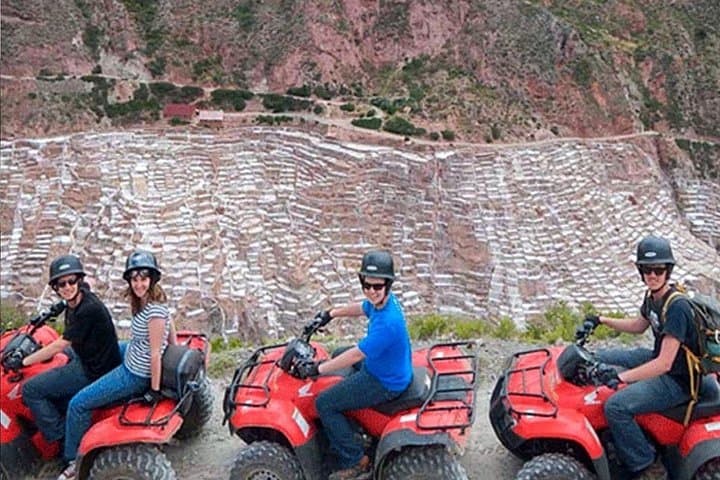
You kick gravel as the engine settles into a steady hum and the valley opens: steep terraces cut into clay and stone, a ribbon of road that dares you to follow it toward a circle of stepped amphitheaters. The air is thin and bright; sunlight grooms the salt pans into a field of white mirrors. On a 6‑hour quad ride from Cusco you move between living traditions — Inca agricultural platforms at Moray and the tiered salt pans of Maras — with the wind pushing at your jacket and a guide steering the route.
Verified experiences and guided adventures in the surrounding area.
Operated by Machupicchu Luna Tours · Maras, Cusco
You kick gravel as the engine settles into a steady hum and the valley opens: steep terraces cut into clay and stone, a ribbon of road that dares you to follow it toward a circle of stepped amphitheaters. The air is thin and bright; sunlight grooms the salt pans into a field of white mirrors. On a 6‑hour quad ride from Cusco you move between living traditions — Inca agricultural platforms at Moray and the tiered salt pans of Maras — with the wind pushing at your jacket and a guide steering the route.
Moray’s concentric terraces are not ornamental: they’re an ancient agricultural laboratory where the Incas engineered microclimates to grow diverse crops. Nearby, the Salineras de Maras channel mineral-rich springs into over 3,000 evaporation pools, a livelihood managed by local families since pre-Columbian times. The geology here — folded Andean strata and erodible volcanic soils — frames every track and viewpoint, while Quechua communities keep techniques and stories in regular use.
Practical guidance: expect unpaved rural tracks, short steeper pitches and clay that turns slick if wet. Altitude hovers around 3,300–3,600 m; acclimatize in Cusco or the Sacred Valley for 24–48 hours if possible. Wear closed-toe shoes, UV protection and windproof layers; carry 1–2 liters of water. The tour uses Honda TRX 250cc quads and includes a trained local guide and private transport. Bring small bills for handicrafts or snacks in Maras and a camera with a secure strap — light gusts and abrupt bumps are constant company. With modest throttle practice, the route rewards riders with jaw-dropping views and direct contact with living Andean culture.
moderate.
6 hours.
Light to moderate fitness; riders should be comfortable mounting a quad and standing on pegs briefly over uneven terrain
No — most operators provide a short safety briefing and basic practice; however, confidence with throttle/brake control helps.
Yes — sites sit above 3,000 m; symptoms can include headache or breathlessness. Acclimatization and hydration reduce risk.
Absolutely — both sites are highly photogenic; secure straps or a chest mount help on bumpy trails.
Yes — many pools are managed communally and sales support local livelihoods; be respectful when photographing workers.
Moray and the Salineras reflect centuries of Andean land use: Inca engineering at Moray and salt extraction methods at Maras dating back to pre-Inca times.
These landscapes are fragile and often community‑managed; stick to trails, avoid disturbing salt pools and support local vendors to contribute to stewardship.
Machupicchu Luna Tours operates guided outdoor trips and adventures with an emphasis on safety, stewardship, and memorable experiences.
You kick gravel as the engine settles into a steady hum and the valley opens: steep terraces cut into clay and stone, a ribbon of road that dares you to follow it toward a circle of stepped amphitheaters. The air is thin and bright; sunlight grooms the salt pans into a field of white mirrors. On a 6‑hour quad ride from Cusco you move between living traditions — Inca agricultural platforms at Moray and the tiered salt pans of Maras — with the wind pushing at your jacket and a guide steering the route.
You kick gravel as the engine settles into a steady hum and the valley opens: steep terraces cut into clay and stone, a ribbon of road that dares you to follow it toward a circle of stepped amphitheaters. The air is thin and bright; sunlight grooms the salt pans into a field of white mirrors. On a 6‑hour quad ride from Cusco you move between living traditions — Inca agricultural platforms at Moray and the tiered salt pans of Maras — with the wind pushing at your jacket and a guide steering the route.
Moray’s concentric terraces are not ornamental: they’re an ancient agricultural laboratory where the Incas engineered microclimates to grow diverse crops. Nearby, the Salineras de Maras channel mineral-rich springs into over 3,000 evaporation pools, a livelihood managed by local families since pre-Columbian times. The geology here — folded Andean strata and erodible volcanic soils — frames every track and viewpoint, while Quechua communities keep techniques and stories in regular use.
Practical guidance: expect unpaved rural tracks, short steeper pitches and clay that turns slick if wet. Altitude hovers around 3,300–3,600 m; acclimatize in Cusco or the Sacred Valley for 24–48 hours if possible. Wear closed-toe shoes, UV protection and windproof layers; carry 1–2 liters of water. The tour uses Honda TRX 250cc quads and includes a trained local guide and private transport. Bring small bills for handicrafts or snacks in Maras and a camera with a secure strap — light gusts and abrupt bumps are constant company. With modest throttle practice, the route rewards riders with jaw-dropping views and direct contact with living Andean culture.