THE ADVENTURE COLLECTIVE® · Independent discovery and booking for outdoor travel

Combine an adrenaline morning on the Atlantis Dunes with curated tastings at Durbanville and De Grendel estates — all in an eight-hour, hotel-inclusive day from Cape Town. Expect sand-sculpted riding, guided winery conversations, and a behind-the-scenes look at diamond cutting in the city.
Combine an adrenaline morning on the Atlantis Dunes with curated tastings at Durbanville and De Grendel estates — all in an eight-hour, hotel-inclusive day from Cape Town. Expect sand-sculpted riding, guided winery conversations, and a behind-the-scenes look at diamond cutting in the city.
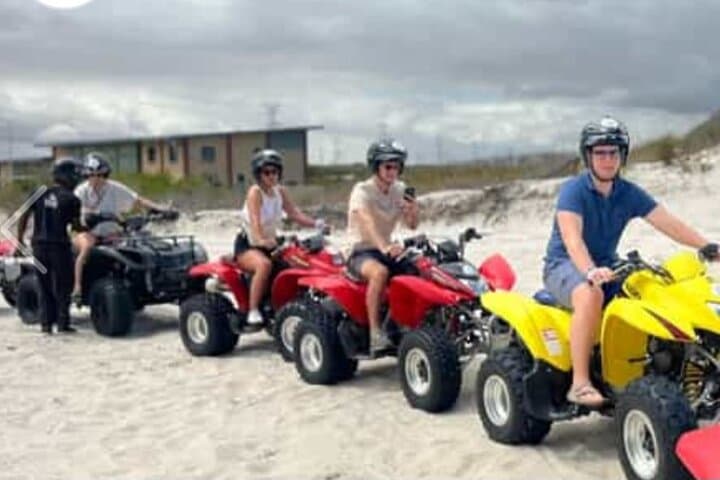
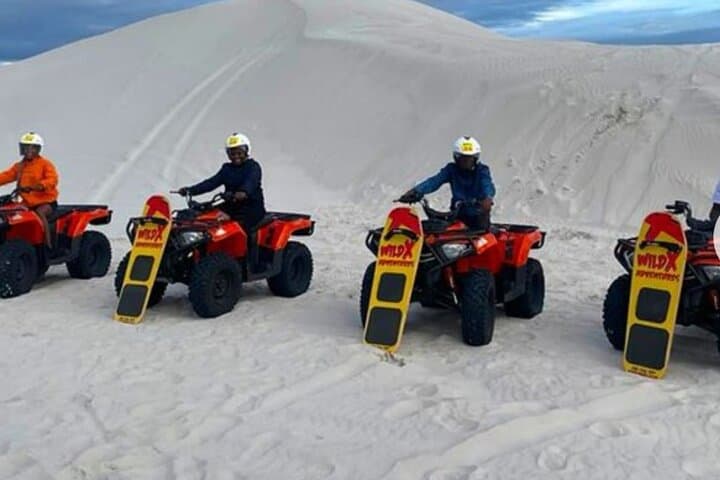
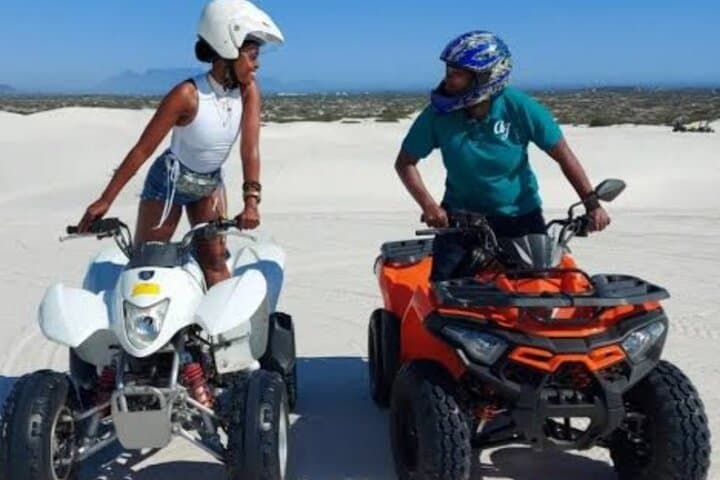
Salt-laced wind lifts sand into temporary arches as riders cone up on the Atlantis Dunes — the afternoon’s slow pivot toward vineyards and tasting rooms begins where the land still feels raw and wind-formed.
Verified experiences and guided adventures in the surrounding area.
Operated by african macaw dmc and Safaris · Cape Town, Western Cape
Salt-laced wind lifts sand into temporary arches as riders cone up on the Atlantis Dunes — the afternoon’s slow pivot toward vineyards and tasting rooms begins where the land still feels raw and wind-formed.
The day starts with open skies and the low, rolling hum of ATVs negotiating steep sand lips, a landscape shaped by coastal winds and ancient sediments that once lay beneath the sea. From there the route folds through suburban Cape Town, past the Long March to Freedom statues that mark South Africa’s modern history, into the cooler, cultivated terraces of Durbanville and De Grendel wine estates. The contrast is striking: raw West Coast dune systems giving way to olive-hued vines with Table Mountain watching from a distance.
This is a mix of two local stories — the motorized freedom of dune-country and the centuries-old craft of winemaking that took hold in the Cape under Dutch and British influence. Wine culture here favors crisp sauvignon blancs and elegant chardonnays; tasting rooms emphasize method and provenance.
Practical guidance: expect an eight-hour outing with hotel pickup, comms from an accredited guide, and all ATV gear included. Wear closed-toe shoes, layers for coastal winds, and bring a small daypack for water and a camera. Trustees of the land ask riders to keep to designated tracks to limit dune erosion, and estates require moderate noise and respect for tasting protocols — spit buckets are fine.
Timing matters: start early in summer for cooler dunes; plan transit time back to Cape Town for evening traffic. The day pairs adrenal throttle with measured tasting — a full, textural South African experience that’s as much about place as it is about pace.
moderate.
8 hours.
Light-to-moderate fitness—able to mount and control an ATV for short bursts and walk at tasting venues.
No — guides provide safety briefings and operate at beginner-friendly speeds; basic coordination is helpful.
Yes — tastings and cheese pairings are included at Durbanville and De Grendel; expect multiple samples (typically 4–6 per estate).
Yes
Hotel pickup and drop-off in the Cape Town area are included; confirm your pickup location when booking.
The Western Cape’s wine culture dates to 17th-century Dutch settlement, while the dune systems reflect millennia of coastal deposition and wind reworking.
Riders are expected to stay on designated tracks to limit dune erosion; wineries emphasize water-wise practices and responsible tasting to reduce waste.
african macaw dmc and Safaris operates guided outdoor trips and adventures with an emphasis on safety, stewardship, and memorable experiences.

Salt-laced wind lifts sand into temporary arches as riders cone up on the Atlantis Dunes — the afternoon’s slow pivot toward vineyards and tasting rooms begins where the land still feels raw and wind-formed.
Salt-laced wind lifts sand into temporary arches as riders cone up on the Atlantis Dunes — the afternoon’s slow pivot toward vineyards and tasting rooms begins where the land still feels raw and wind-formed.
The day starts with open skies and the low, rolling hum of ATVs negotiating steep sand lips, a landscape shaped by coastal winds and ancient sediments that once lay beneath the sea. From there the route folds through suburban Cape Town, past the Long March to Freedom statues that mark South Africa’s modern history, into the cooler, cultivated terraces of Durbanville and De Grendel wine estates. The contrast is striking: raw West Coast dune systems giving way to olive-hued vines with Table Mountain watching from a distance.
This is a mix of two local stories — the motorized freedom of dune-country and the centuries-old craft of winemaking that took hold in the Cape under Dutch and British influence. Wine culture here favors crisp sauvignon blancs and elegant chardonnays; tasting rooms emphasize method and provenance.
Practical guidance: expect an eight-hour outing with hotel pickup, comms from an accredited guide, and all ATV gear included. Wear closed-toe shoes, layers for coastal winds, and bring a small daypack for water and a camera. Trustees of the land ask riders to keep to designated tracks to limit dune erosion, and estates require moderate noise and respect for tasting protocols — spit buckets are fine.
Timing matters: start early in summer for cooler dunes; plan transit time back to Cape Town for evening traffic. The day pairs adrenal throttle with measured tasting — a full, textural South African experience that’s as much about place as it is about pace.