THE ADVENTURE COLLECTIVE® · Independent discovery and booking for outdoor travel

Skip the long trek and reach Vinicunca by quad bike: a high-Andes day that pairs off-road miles with a short, high-altitude walk to the famed 7-Color Mountain. Expect dramatic geology, Quechua culture, and clear light ideal for photos.
Skip the long trek and reach Vinicunca by quad bike: a high-Andes day that pairs off-road miles with a short, high-altitude walk to the famed 7-Color Mountain. Expect dramatic geology, Quechua culture, and clear light ideal for photos.
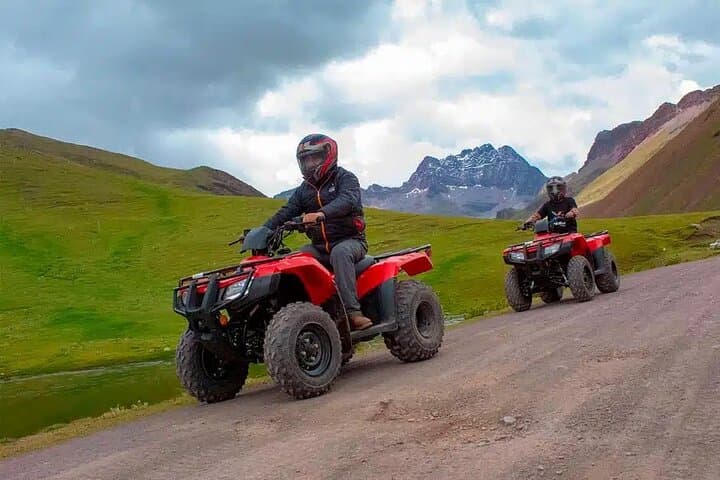
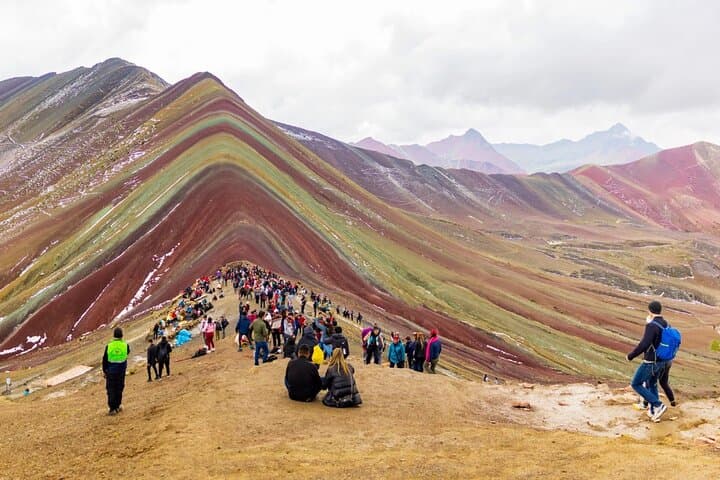
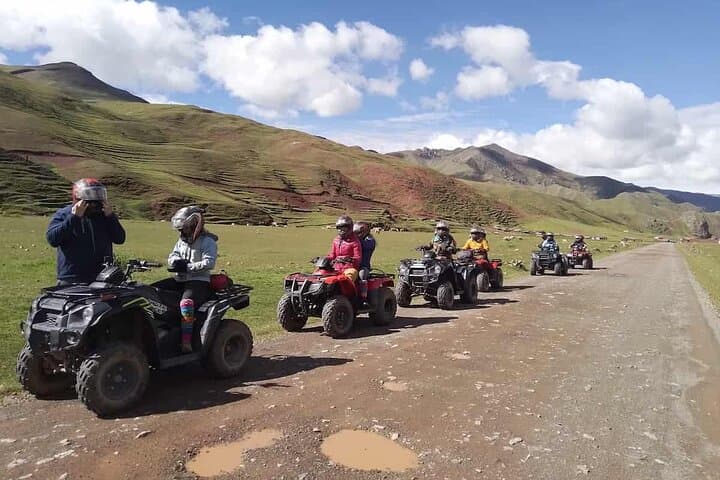
A cold highland wind greets riders as the minivan slips south from Cusco, the city dropping behind terraces and craggy hills. At the quad base the engines cough to life; helmets click, gloves pull tight, and the trail unfurls — dusty tracks that climb toward a banded ridge of pigments at 5,200 m. The first sight of Vinicunca’s stripes feels abrupt: ochres, rose, and mint cutting across scree and rock like geological handwriting.
Verified experiences and guided adventures in the surrounding area.
Operated by Machupicchu Turístico · Cusco, Cusco
A cold highland wind greets riders as the minivan slips south from Cusco, the city dropping behind terraces and craggy hills. At the quad base the engines cough to life; helmets click, gloves pull tight, and the trail unfurls — dusty tracks that climb toward a banded ridge of pigments at 5,200 m. The first sight of Vinicunca’s stripes feels abrupt: ochres, rose, and mint cutting across scree and rock like geological handwriting.
Those colors tell a simple story of minerals — iron oxides, sulphates and clays laid down and uplifted by the Andes and then exposed by glacial and rain erosion. The route also moves through communities that still herd llamas and practice highland agriculture tied to Ausangate’s presence in local Quechua cosmology. Guides on these tours typically share both geology and the cultural context: why certain charcoal rituals happen at mountain passes and how water sources are managed.
Practically, the quad option minimizes long ascents but doesn’t erase altitude: expect a short 15–30 minute walk to the main viewpoint and thin air that makes slow breathing normal. Plan for strong sun, sharp temperature swings, and uneven footing on the summit. Operators usually include helmets, gloves, breakfast and lunch, oxygen kits and bilingual guides.
For travelers: pace yourself on the climb, stay hydrated, layer for wind and sun, and allow extra time for photography and acclimatization. The payoff is immediate — a raw, high Andean panorama that rewards preparation with one of Peru’s most striking natural scenes.
moderate.
10–12 hours.
Moderate fitness recommended—able to handle short uphill walks at high altitude and sit/ride on rough trails.
The on-foot section is short—typically 15–30 minutes each way from the quad drop-off to the main viewpoint, but allow extra time for photos and acclimatization.
No formal experience is required; guides provide basic instruction, but riders should be comfortable with variable terrain and follow safety briefings.
Operators carry oxygen kits and guides are trained to respond; descend immediately and seek medical attention if symptoms worsen.
Most organized tours include the park entrance fee, but confirm with your operator and keep cash for any additional local concessions.
Vinicunca sits on the eastern flank of the Ausangate massif; the area has been used by Quechua-speaking communities for centuries for grazing and ritual offerings to the mountain (apu).
High visitor numbers and off-trail riding can damage fragile soils — stick to designated routes, follow guide instructions, and avoid leaving waste.
Machupicchu Turístico operates guided outdoor trips and adventures with an emphasis on safety, stewardship, and memorable experiences.

A cold highland wind greets riders as the minivan slips south from Cusco, the city dropping behind terraces and craggy hills. At the quad base the engines cough to life; helmets click, gloves pull tight, and the trail unfurls — dusty tracks that climb toward a banded ridge of pigments at 5,200 m. The first sight of Vinicunca’s stripes feels abrupt: ochres, rose, and mint cutting across scree and rock like geological handwriting.
A cold highland wind greets riders as the minivan slips south from Cusco, the city dropping behind terraces and craggy hills. At the quad base the engines cough to life; helmets click, gloves pull tight, and the trail unfurls — dusty tracks that climb toward a banded ridge of pigments at 5,200 m. The first sight of Vinicunca’s stripes feels abrupt: ochres, rose, and mint cutting across scree and rock like geological handwriting.
Those colors tell a simple story of minerals — iron oxides, sulphates and clays laid down and uplifted by the Andes and then exposed by glacial and rain erosion. The route also moves through communities that still herd llamas and practice highland agriculture tied to Ausangate’s presence in local Quechua cosmology. Guides on these tours typically share both geology and the cultural context: why certain charcoal rituals happen at mountain passes and how water sources are managed.
Practically, the quad option minimizes long ascents but doesn’t erase altitude: expect a short 15–30 minute walk to the main viewpoint and thin air that makes slow breathing normal. Plan for strong sun, sharp temperature swings, and uneven footing on the summit. Operators usually include helmets, gloves, breakfast and lunch, oxygen kits and bilingual guides.
For travelers: pace yourself on the climb, stay hydrated, layer for wind and sun, and allow extra time for photography and acclimatization. The payoff is immediate — a raw, high Andean panorama that rewards preparation with one of Peru’s most striking natural scenes.