THE ADVENTURE COLLECTIVE® · Independent discovery and booking for outdoor travel

Walk the corridor where Inca stonework and colonial architecture collide. This 5–6 hour circuit visits Qorikancha, Sacsayhuamán, Qenqo, Puka Pukara and Tambomachay with expert interpretation and transport from central Cusco.
Walk the corridor where Inca stonework and colonial architecture collide. This 5–6 hour circuit visits Qorikancha, Sacsayhuamán, Qenqo, Puka Pukara and Tambomachay with expert interpretation and transport from central Cusco.
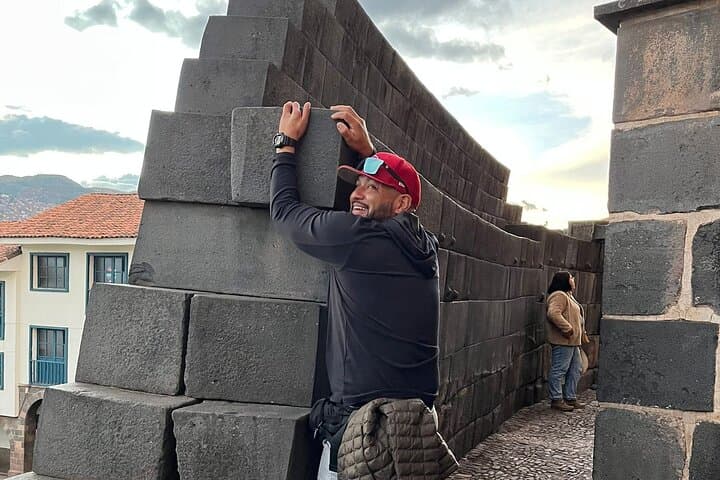
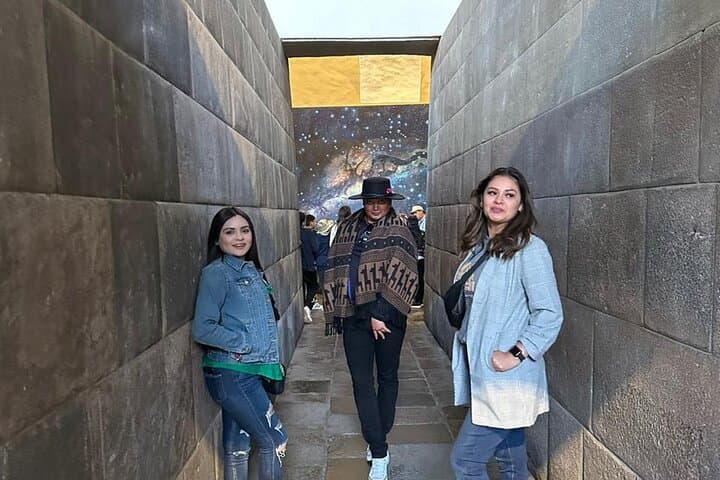
You step off the bus into thin, bright air and the city's stonework seems to hum — sunlight catching angles cut centuries ago. The tour begins at Qorikancha, once the Inca Temple of the Sun, where precision-cut walls meet colonial masonry and the contrast between eras is immediate and tactile.
Verified experiences and guided adventures in the surrounding area.
Operated by WPeru-Travel · Cusco, Cusco
You step off the bus into thin, bright air and the city's stonework seems to hum — sunlight catching angles cut centuries ago. The tour begins at Qorikancha, once the Inca Temple of the Sun, where precision-cut walls meet colonial masonry and the contrast between eras is immediate and tactile.
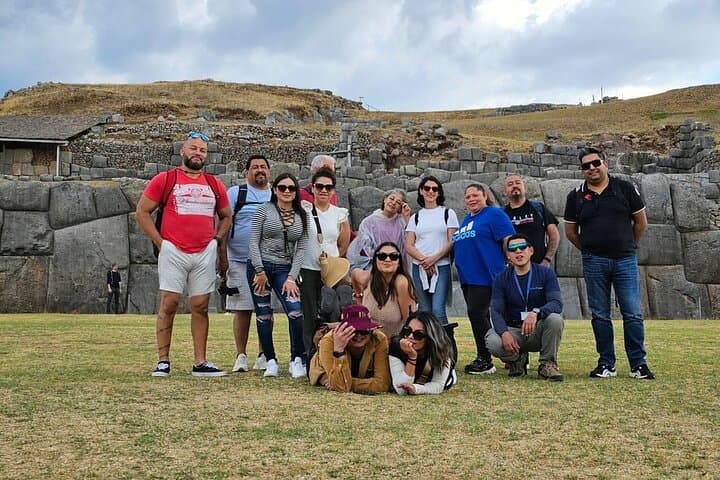
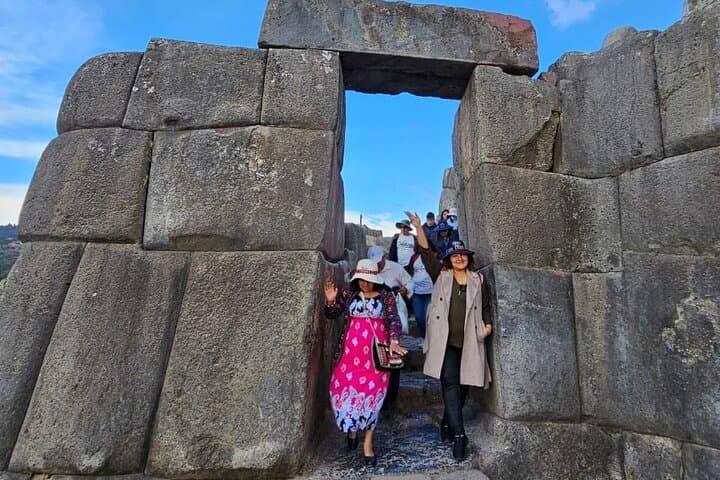
From Qorikancha the route climbs toward Sacsayhuamán, its meandering terraces of massive limestone blocks holding open views across the city. Nearby, Qenqo reveals carved channels and chambers that point to ritual and astronomical use, while Pukapukara stands as a lookout whose reddish soils mark a military presence. Tambomachay’s flowing fountains bring the walk to a quieter close, water still the locomotive of ritual life.
These sites trace the arc of Inca engineering, cosmology, and the later overlay of Spanish urban design: plazas replaced shrines but the stonework remained. Geology matters here — sedimentary limestones and weathered volcanic tuffs shaped construction choices and the sharp joinery that resists earthquakes.
Expect high-altitude sun, brisk Andean breezes that push at your layers, and short, uneven stone paths between viewpoints. Guides will interpret symbolism, point out sightlines used for ceremonies like Inti Raymi, and explain how the colonial cathedral dwarfs the original temple footprint.
Practical guidance: carry water, wear sturdy shoes for cobbled steps, and allow 4–6 hours including transport and short walks. Morning departures avoid the largest crowds and the sun at midday. The tour is accessible to most fitness levels but gives the best rewards to those who move at a steady, unhurried pace.
easy.
5–6 hours.
Suitable for most people with basic mobility; expect short uphill walks and uneven terrain at altitude.
The tour lasts about 5–6 hours and includes transportation from central Cusco, a bilingual guide, and stops at Qorikancha, Sacsayhuamán, Qenqo, Pukapukara, Tambomachay and a textile center.
Yes, but those with cardiovascular issues should consult a doctor; the itinerary involves short walks at elevations around 3,500–3,700 meters.
Ticket inclusion varies; confirm with the operator, though transportation and guide services are included according to the itinerary provided.
Infants may join but must sit on an adult's lap; check operator age policies and bring necessary supplies for comfort.
These plazas and fortresses reflect Cusco’s role as the Inca imperial center; Spanish conquest repurposed many sacred sites and built colonial structures adjacent to Inca foundations.
High visitor numbers stress fragile stonework and trail edges; stay on marked paths, avoid touching carved surfaces, and support local guides who fund preservation efforts.
WPeru-Travel operates guided outdoor trips and adventures with an emphasis on safety, stewardship, and memorable experiences.
You step off the bus into thin, bright air and the city's stonework seems to hum — sunlight catching angles cut centuries ago. The tour begins at Qorikancha, once the Inca Temple of the Sun, where precision-cut walls meet colonial masonry and the contrast between eras is immediate and tactile.
You step off the bus into thin, bright air and the city's stonework seems to hum — sunlight catching angles cut centuries ago. The tour begins at Qorikancha, once the Inca Temple of the Sun, where precision-cut walls meet colonial masonry and the contrast between eras is immediate and tactile.
From Qorikancha the route climbs toward Sacsayhuamán, its meandering terraces of massive limestone blocks holding open views across the city. Nearby, Qenqo reveals carved channels and chambers that point to ritual and astronomical use, while Pukapukara stands as a lookout whose reddish soils mark a military presence. Tambomachay’s flowing fountains bring the walk to a quieter close, water still the locomotive of ritual life.
These sites trace the arc of Inca engineering, cosmology, and the later overlay of Spanish urban design: plazas replaced shrines but the stonework remained. Geology matters here — sedimentary limestones and weathered volcanic tuffs shaped construction choices and the sharp joinery that resists earthquakes.
Expect high-altitude sun, brisk Andean breezes that push at your layers, and short, uneven stone paths between viewpoints. Guides will interpret symbolism, point out sightlines used for ceremonies like Inti Raymi, and explain how the colonial cathedral dwarfs the original temple footprint.
Practical guidance: carry water, wear sturdy shoes for cobbled steps, and allow 4–6 hours including transport and short walks. Morning departures avoid the largest crowds and the sun at midday. The tour is accessible to most fitness levels but gives the best rewards to those who move at a steady, unhurried pace.