THE ADVENTURE COLLECTIVE® · Independent discovery and booking for outdoor travel

Learn to pick, process and taste tea with a local tea master on Yangshuo’s Qixianfeng Plantation. This 3-hour tour includes hotel pickup, hands-on manufacturing and 100 g of tea to take home.
Learn to pick, process and taste tea with a local tea master on Yangshuo’s Qixianfeng Plantation. This 3-hour tour includes hotel pickup, hands-on manufacturing and 100 g of tea to take home.
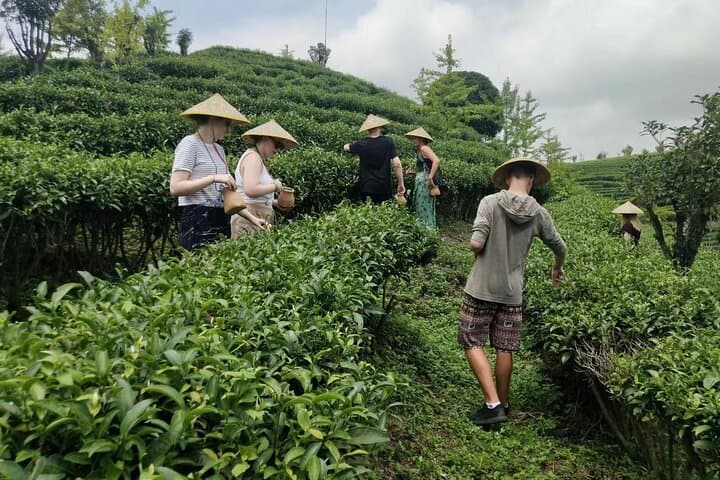
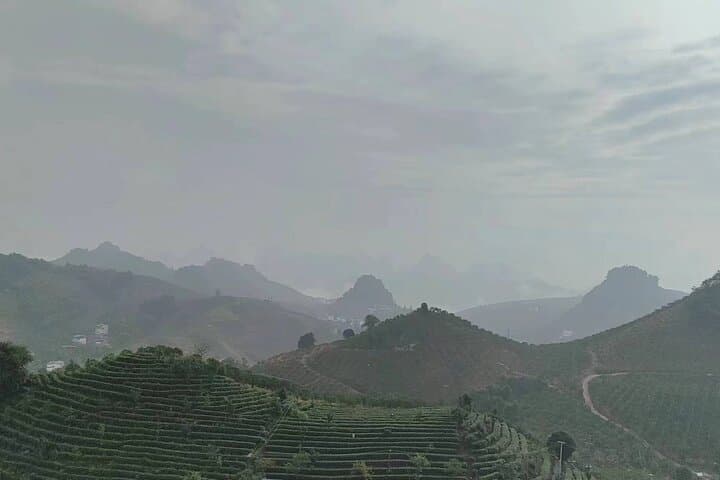
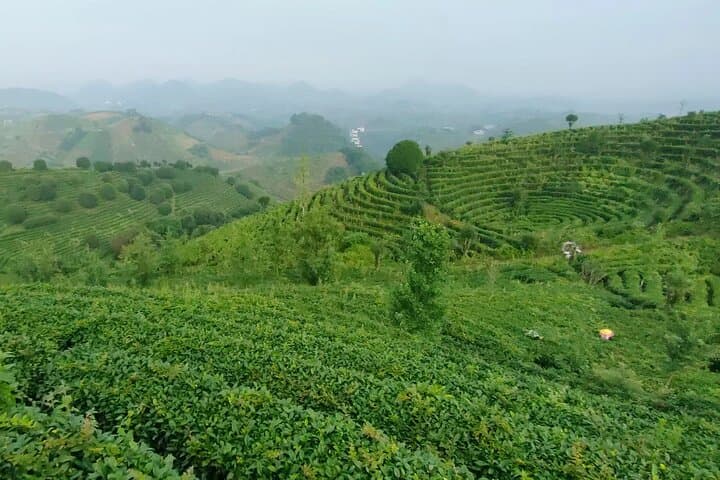
A low, humid wind moves through the tea rows as you step from the van onto narrow soil tracks — the karst hills of Yangshuo rise around you like slow-moving cliffs, and the plantation’s terraces cling to their slopes. The guide — a local tea master by trade — meets the group and leads down a green alley where leaves glisten from morning dew.
Verified experiences and guided adventures in the surrounding area.
Operated by SilkRoadTrips · Yangshuo, Guangxi
A low, humid wind moves through the tea rows as you step from the van onto narrow soil tracks — the karst hills of Yangshuo rise around you like slow-moving cliffs, and the plantation’s terraces cling to their slopes. The guide — a local tea master by trade — meets the group and leads down a green alley where leaves glisten from morning dew.
Qixianfeng sits within the karst landscape that defines Guilin and Yangshuo: limestone peaks, thin soil pockets and microclimates that favor tea growing on sheltered slopes. Tea cultivation in southern China blends craft and routine; here you’ll learn basic manufacturing steps common across China — withering, pan-firing, rolling and drying — then taste green, white and black brews prepared the traditional way.
The experience is hands-on: guests pick fresh leaves, work alongside the tea master to process them, and take home about 100 grams of freshly made tea. The plantation’s layout of seven small hills offers short, easy walks and views of rural fields where farmers still irrigate and tend small orchards.
Practical notes: the tour includes hotel pickup in Yangshuo and a roughly 30-minute drive to the plantation, lasting about three hours total. Wear sturdy, closed-toe shoes for uneven paths, bring sun protection and water, and plan morning slots for cooler picking conditions. Respect the rows, follow the tea master’s directions when handling leaves, and leave plastic waste behind. For travelers seeking a compact cultural itinerary, this is a tidy, sensory introduction to Chinese tea traditions set against one of China’s most recognizable limestone landscapes.
easy.
3 hours.
Suitable for most fitness levels; involves short walks over uneven, sloping ground and light standing during demonstrations.
Yes — pickup from centrally located Yangshuo hotels is included and the drive to the plantation takes about 30 minutes.
Participants process and take home approximately 100 grams of freshly made tea as part of the tour.
The tour is suitable for most ages, but infants must sit on an adult’s lap during transport; light activity is involved but nothing strenuous.
Yes — the tea master typically presents samples of green, white and black tea and explains basic differences and brewing techniques.
Tea has been part of southern China’s rural economy for centuries; Yangshuo’s karst slopes create microclimates that small-scale growers have used for generations.
Stay on paths and avoid disturbing plantings; buying tea from the plantation supports local producers and encourages sustainable small-farm practices.
SilkRoadTrips operates guided outdoor trips and adventures with an emphasis on safety, stewardship, and memorable experiences.
A low, humid wind moves through the tea rows as you step from the van onto narrow soil tracks — the karst hills of Yangshuo rise around you like slow-moving cliffs, and the plantation’s terraces cling to their slopes. The guide — a local tea master by trade — meets the group and leads down a green alley where leaves glisten from morning dew.
A low, humid wind moves through the tea rows as you step from the van onto narrow soil tracks — the karst hills of Yangshuo rise around you like slow-moving cliffs, and the plantation’s terraces cling to their slopes. The guide — a local tea master by trade — meets the group and leads down a green alley where leaves glisten from morning dew.
Qixianfeng sits within the karst landscape that defines Guilin and Yangshuo: limestone peaks, thin soil pockets and microclimates that favor tea growing on sheltered slopes. Tea cultivation in southern China blends craft and routine; here you’ll learn basic manufacturing steps common across China — withering, pan-firing, rolling and drying — then taste green, white and black brews prepared the traditional way.
The experience is hands-on: guests pick fresh leaves, work alongside the tea master to process them, and take home about 100 grams of freshly made tea. The plantation’s layout of seven small hills offers short, easy walks and views of rural fields where farmers still irrigate and tend small orchards.
Practical notes: the tour includes hotel pickup in Yangshuo and a roughly 30-minute drive to the plantation, lasting about three hours total. Wear sturdy, closed-toe shoes for uneven paths, bring sun protection and water, and plan morning slots for cooler picking conditions. Respect the rows, follow the tea master’s directions when handling leaves, and leave plastic waste behind. For travelers seeking a compact cultural itinerary, this is a tidy, sensory introduction to Chinese tea traditions set against one of China’s most recognizable limestone landscapes.