THE ADVENTURE COLLECTIVE® · Independent discovery and booking for outdoor travel

Escape Chongqing for a full day of Taoist temples and millennia-old engineering. Hike Qingcheng Mountain’s shaded stone steps, cross Yuecheng Lake by boat, and study the Dujiangyan irrigation system built in 256 BC.
Escape Chongqing for a full day of Taoist temples and millennia-old engineering. Hike Qingcheng Mountain’s shaded stone steps, cross Yuecheng Lake by boat, and study the Dujiangyan irrigation system built in 256 BC.
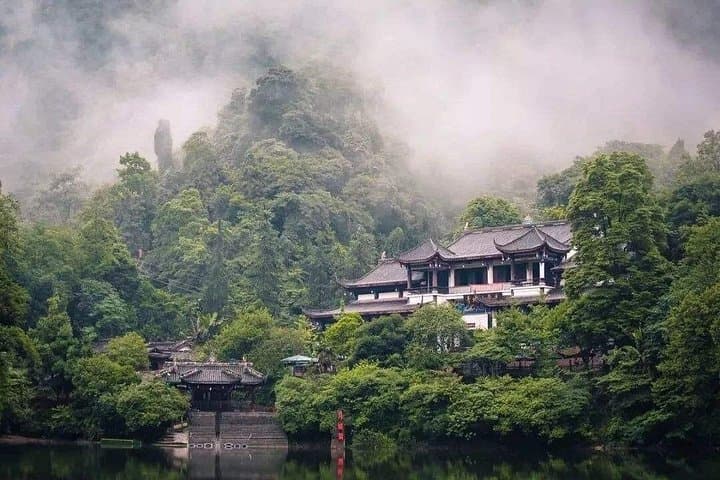
The bus slips out of Chongqing at dawn and the river valleys compress into terraces as the bullet train carries you west. By late morning the air cools and bamboo thickets press close; a small boat slices across Yuecheng Lake and the guide points to moss-dark stone steps climbing into the forest.
Verified experiences and guided adventures in the surrounding area.
Operated by Samtour of Chengdu OTC Travel · Dujiangyan, Sichuan
The bus slips out of Chongqing at dawn and the river valleys compress into terraces as the bullet train carries you west. By late morning the air cools and bamboo thickets press close; a small boat slices across Yuecheng Lake and the guide points to moss-dark stone steps climbing into the forest.
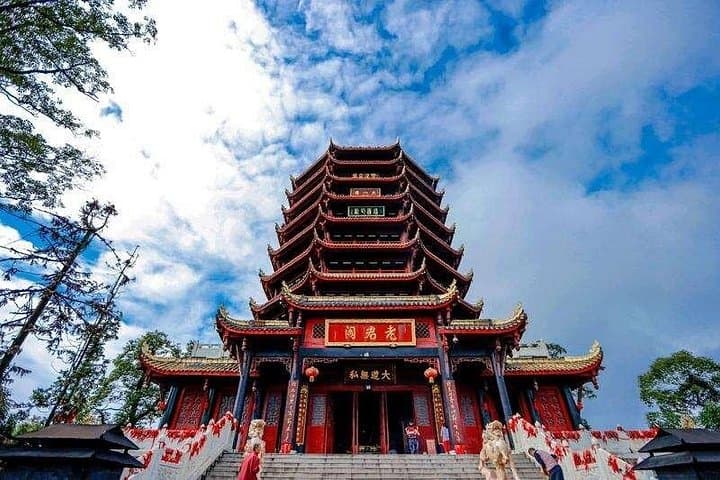
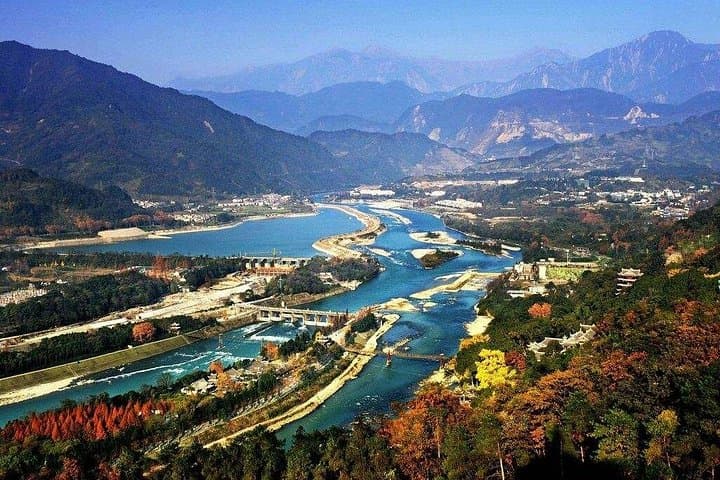
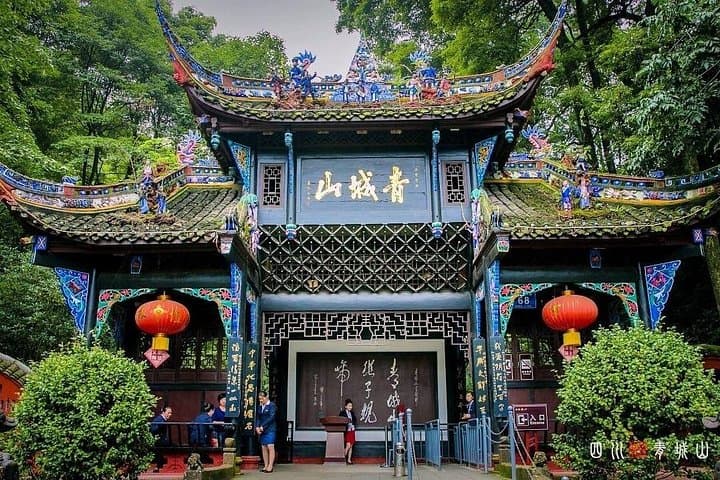
Qingcheng Mountain is one of China’s primary Taoist sites, its temples and caves accumulating layers of history from the Tang through Qing dynasties. The mountain’s geology is older Sichuan basin rock—weathered, steep ridgelines with carved stone steps and occasional granite outcrops—while Dujiangyan downstream is an engineered landscape: a 256 BC hydraulic system by Li Bing that still diverts the Min River without a modern dam.
Expect two hours of uphill walking on uneven stone paths (roughly 4 km with 300–400 m of cumulative ascent), temple courtyards, and a short guided boat ride across the lake. After a included lunch, the tour moves to Dujiangyan to inspect the Fish Mouth levee, Two Kings Temple, and Lidui Park where engineering blends with traditional garden spaces.
Practicalities: the day runs 10–12 hours with hotel pickup in Chongqing and round-trip bullet train travel to the Chengdu region. Bring comfortable, grippy shoes, rain protection, water, and your passport for train tickets. Cable car descent is optional and paid locally. The route suits most walkers but includes steep slopes and many steps—move deliberately, carry small change for local purchases, and conserve battery for photos.
moderate.
10–12 hours.
Suitable for travelers in average fitness who can manage several hours of walking, stairs, and short uphill sections.
The tour includes about two hours of uphill walking on Qingcheng Mountain with many stone steps—plan for roughly 4 km of hiking and 300–400 m of cumulative ascent.
No, the cable car descent at Qingcheng Mountain is optional and paid for locally; many guests choose to walk down instead.
Yes — the tour includes lunch at a local restaurant and round-trip bullet train tickets to the Chengdu/Dujiangyan area.
Yes—this is a private tour suitable for most ages, but steep sections may be challenging for mobility-limited travelers; notify the operator of special needs when booking.
Qingcheng Mountain is a historic center of Taoism with temples dating back many dynasties; the Dujiangyan Irrigation System was engineered in 256 BC by Li Bing and remains a functioning water-management marvel.
Both sites are UNESCO-listed and face visitor pressure; stick to marked paths, avoid feeding wildlife, and leave no trace to protect cultural and ecological values.
Samtour of Chengdu OTC Travel operates guided outdoor trips and adventures with an emphasis on safety, stewardship, and memorable experiences.
The bus slips out of Chongqing at dawn and the river valleys compress into terraces as the bullet train carries you west. By late morning the air cools and bamboo thickets press close; a small boat slices across Yuecheng Lake and the guide points to moss-dark stone steps climbing into the forest.
The bus slips out of Chongqing at dawn and the river valleys compress into terraces as the bullet train carries you west. By late morning the air cools and bamboo thickets press close; a small boat slices across Yuecheng Lake and the guide points to moss-dark stone steps climbing into the forest.
Qingcheng Mountain is one of China’s primary Taoist sites, its temples and caves accumulating layers of history from the Tang through Qing dynasties. The mountain’s geology is older Sichuan basin rock—weathered, steep ridgelines with carved stone steps and occasional granite outcrops—while Dujiangyan downstream is an engineered landscape: a 256 BC hydraulic system by Li Bing that still diverts the Min River without a modern dam.
Expect two hours of uphill walking on uneven stone paths (roughly 4 km with 300–400 m of cumulative ascent), temple courtyards, and a short guided boat ride across the lake. After a included lunch, the tour moves to Dujiangyan to inspect the Fish Mouth levee, Two Kings Temple, and Lidui Park where engineering blends with traditional garden spaces.
Practicalities: the day runs 10–12 hours with hotel pickup in Chongqing and round-trip bullet train travel to the Chengdu region. Bring comfortable, grippy shoes, rain protection, water, and your passport for train tickets. Cable car descent is optional and paid locally. The route suits most walkers but includes steep slopes and many steps—move deliberately, carry small change for local purchases, and conserve battery for photos.