THE ADVENTURE COLLECTIVE® · Independent discovery and booking for outdoor travel

Traverse high Andean plateaus, Inca-era trail segments, and the humid Las Yungas jungle on a four-day route from the Quebrada de Humahuaca to Valle Colorado. Expect dramatic geology, community-guided walks and a chance to bathe in rugged thermal springs.
Traverse high Andean plateaus, Inca-era trail segments, and the humid Las Yungas jungle on a four-day route from the Quebrada de Humahuaca to Valle Colorado. Expect dramatic geology, community-guided walks and a chance to bathe in rugged thermal springs.
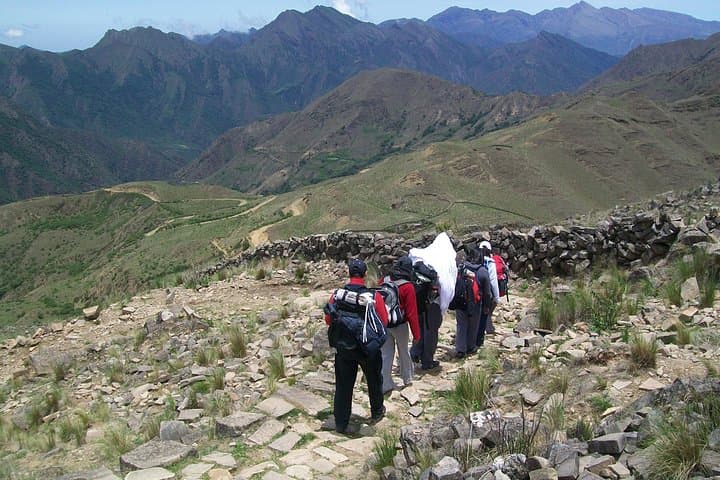
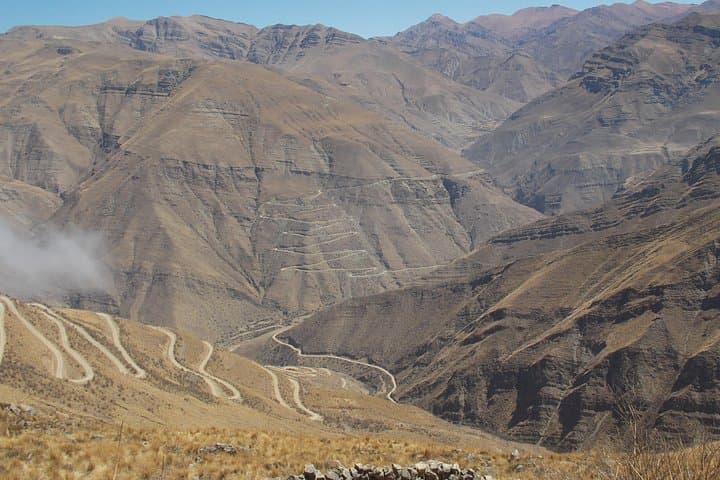
Dawn breaks over dry, banded ridgelines as you leave San Salvador de Jujuy, the road uncoiling toward Purmamarca’s Seven Colors and the high puna beyond. Wind scours the plateaus; llamas pick at sparse grass. By day two the air thins above 4,500 m and the Qhapac Ñan — the Inca road — becomes a ribbon of stone, underfoot and in memory, guiding through old settlements and watchtowers.
Verified experiences and guided adventures in the surrounding area.
Operated by Arami Viajes · San Salvador de Jujuy, Jujuy
Dawn breaks over dry, banded ridgelines as you leave San Salvador de Jujuy, the road uncoiling toward Purmamarca’s Seven Colors and the high puna beyond. Wind scours the plateaus; llamas pick at sparse grass. By day two the air thins above 4,500 m and the Qhapac Ñan — the Inca road — becomes a ribbon of stone, underfoot and in memory, guiding through old settlements and watchtowers.
The route pairs sharply eroded red and ochre geology of the Quebrada with the sudden green of the Yungas, where humidity returns and rivers dare you closer. This is a borderland of histories: Omaguaca ruins and colonial churches sit alongside living Indigenous communities preserving textiles and rituals tied to the land.
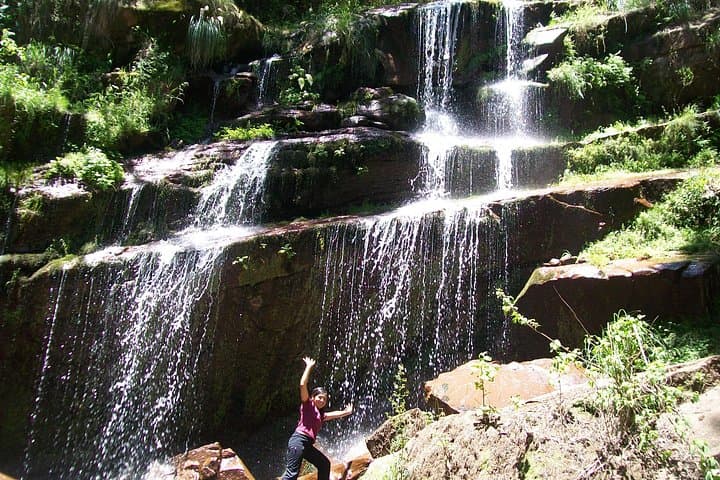
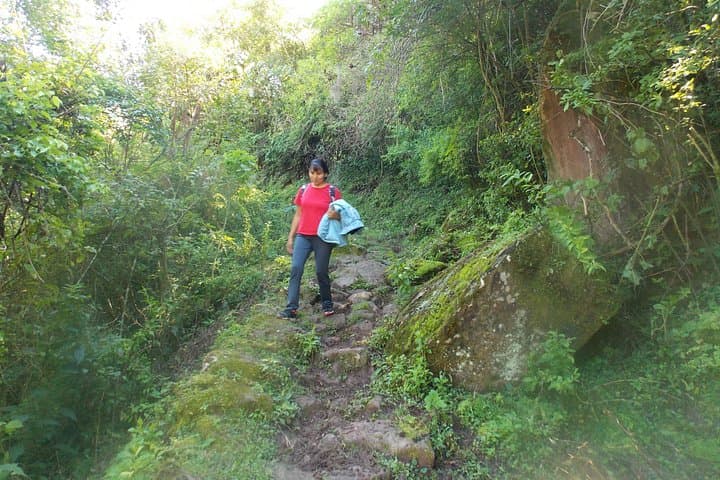
Expect steep village streets, panoramic mountain roads and short community-led walks through Las Yungas ecoregion. At lower elevation the jungle’s layered canopy pushes sunlight into emerald pools and waterfalls like Salto El Nogalar; nearby thermal springs offer a rugged soak at Termas del Jordán.
Practically, acclimatize before high passes, pack for dramatic temperature swings and plan for multiple short hikes rather than long alpine pushes. Local guides lead sections of the Qhapac Ñan and arrange homestays and meals — a practical way to support communities while keeping logistics light. Travel by private vehicle between points, and budget for basic lodgings in small inns or community hostels. This loop rewards travelers who want geological contrast, cultural encounters, and a hands-on introduction to Argentina’s northern frontier.
challenging.
4 days.
Moderate to fit: able to handle short hikes, steep village streets and periods at high altitude; prior acclimatization advised.
Sections of the route rise above 4,500 meters; appropriate acclimatization and awareness of altitude symptoms are essential.
Overnights are in small inns or family-run hosterías and community lodgings with simple amenities; expect regional meals and shared facilities.
Walk segments are generally short but can be steep and on uneven surfaces; the challenge is compounded by altitude rather than long daily distances.
Yes — the tour includes access to rustic thermal pools (Termas del Jordán); facilities are rugged but offer a restorative soak after hikes.
The Qhapac Ñan is part of the ancient Inca road network; along this corridor, Omaguaca settlements and colonial churches mark layers of pre-Columbian and colonial history.
Las Yungas faces pressure from deforestation and agriculture; community-based tourism here supports conservation and local livelihoods while minimizing new infrastructure.
Arami Viajes operates guided outdoor trips and adventures with an emphasis on safety, stewardship, and memorable experiences.
Dawn breaks over dry, banded ridgelines as you leave San Salvador de Jujuy, the road uncoiling toward Purmamarca’s Seven Colors and the high puna beyond. Wind scours the plateaus; llamas pick at sparse grass. By day two the air thins above 4,500 m and the Qhapac Ñan — the Inca road — becomes a ribbon of stone, underfoot and in memory, guiding through old settlements and watchtowers.
Dawn breaks over dry, banded ridgelines as you leave San Salvador de Jujuy, the road uncoiling toward Purmamarca’s Seven Colors and the high puna beyond. Wind scours the plateaus; llamas pick at sparse grass. By day two the air thins above 4,500 m and the Qhapac Ñan — the Inca road — becomes a ribbon of stone, underfoot and in memory, guiding through old settlements and watchtowers.
The route pairs sharply eroded red and ochre geology of the Quebrada with the sudden green of the Yungas, where humidity returns and rivers dare you closer. This is a borderland of histories: Omaguaca ruins and colonial churches sit alongside living Indigenous communities preserving textiles and rituals tied to the land.
Expect steep village streets, panoramic mountain roads and short community-led walks through Las Yungas ecoregion. At lower elevation the jungle’s layered canopy pushes sunlight into emerald pools and waterfalls like Salto El Nogalar; nearby thermal springs offer a rugged soak at Termas del Jordán.
Practically, acclimatize before high passes, pack for dramatic temperature swings and plan for multiple short hikes rather than long alpine pushes. Local guides lead sections of the Qhapac Ñan and arrange homestays and meals — a practical way to support communities while keeping logistics light. Travel by private vehicle between points, and budget for basic lodgings in small inns or community hostels. This loop rewards travelers who want geological contrast, cultural encounters, and a hands-on introduction to Argentina’s northern frontier.