THE ADVENTURE COLLECTIVE® · Independent discovery and booking for outdoor travel

Experience the last living Inca rope bridge on a full-day tour from Cusco—descend into the Apurímac canyon, watch communities rebuild the Qeswachaka, and visit high Andean lagoons and historic sites. Practical, high-altitude adventure with cultural depth.
Experience the last living Inca rope bridge on a full-day tour from Cusco—descend into the Apurímac canyon, watch communities rebuild the Qeswachaka, and visit high Andean lagoons and historic sites. Practical, high-altitude adventure with cultural depth.
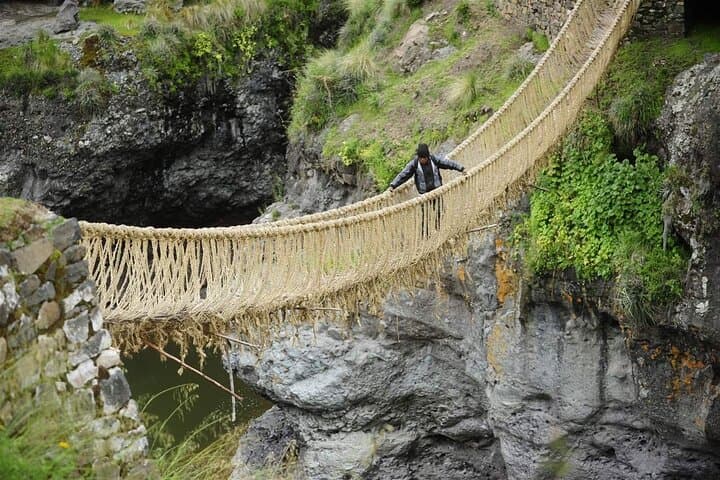
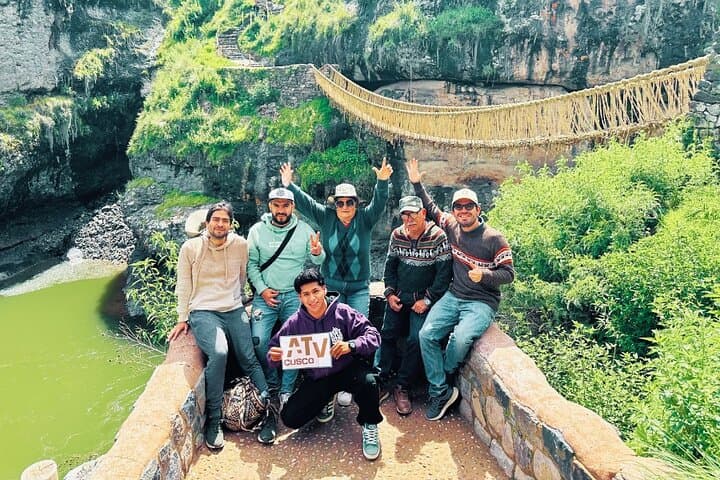
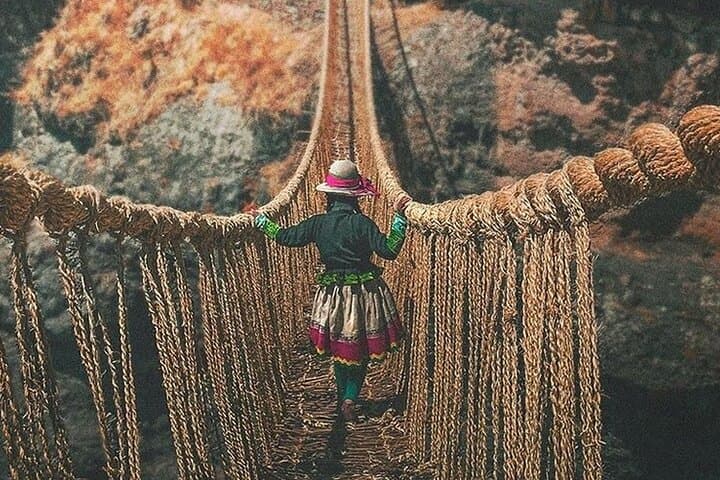
Before dawn the minivan eases out of Cusco and the high Andes unfold—a band of puna grass and terraced slopes under a cobalt sky. By midmorning you’ll be descending switchbacks toward the Apurímac River, the valley walls tightening until a narrow span of woven ichu grass appears: the Qeswachaka, the last living example of an Inca rope bridge still rebuilt by hand each year.
Verified experiences and guided adventures in the surrounding area.
Operated by ATV CUSCO ADVENTURES ON WHEELS · Q'ewe (Qeswachaka), Cusco
Before dawn the minivan eases out of Cusco and the high Andes unfold—a band of puna grass and terraced slopes under a cobalt sky. By midmorning you’ll be descending switchbacks toward the Apurímac River, the valley walls tightening until a narrow span of woven ichu grass appears: the Qeswachaka, the last living example of an Inca rope bridge still rebuilt by hand each year.
This place is both engineering and ritual. For centuries local communities have harvested ichu, braided cable, and carried the bridge across in a communal ceremony; the technique traces back to the Inca trail network that knit the highlands together. Geologically you’ll notice volcanic highs dropping to a deep canyon cut by the Apurímac—expect rocky, uneven trails and a steep zig-zag descent of several hundred meters to reach the river viewpoint.
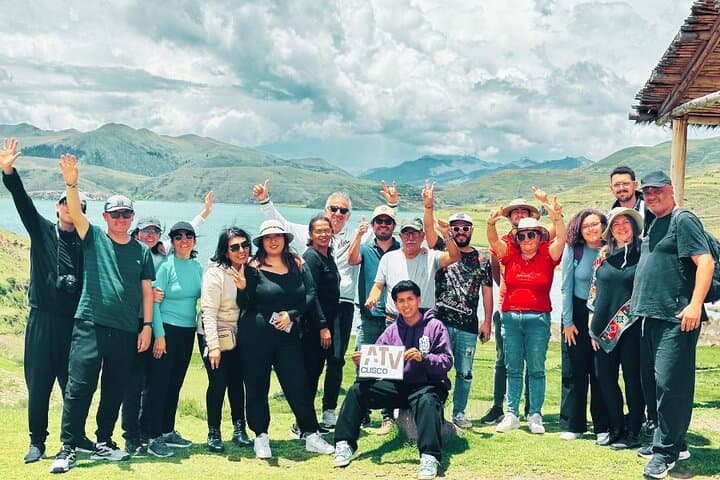
Culturally the tour touches Mosoc Llaqta and the house of Túpac Amaru II, and skirts four high-altitude lagoons—Pampamarca, Asnacqocha, Acopia and Pomacanchi—each reflecting an Andean sky. Wildlife is spare but charismatic: llamas and Andean condors are common sights; llamas graze the slopes and condors wheel above thermal columns.
Practically: this is a long, full-day outing (about 12 hours from early pickup). Expect high elevation (3,500–4,000 m), short steep hikes on loose rock, and exposure to strong sun and wind. Bring layered clothing, sturdy boots, water (2–3 L), altitude meds if needed, and a camera with extra batteries—the bridge and canyon offer clean, dramatic photo opportunities. Tours usually include breakfast, buffet lunch, bilingual guide, and transport; plan for a roughly 5:00 p.m. return to Cusco.
moderate.
12 hours.
Moderate fitness with ability to handle steep 20–40 minute descents and intermittent walking at high altitude
Walking near the bridge and viewpoints is short—typically a few kilometers total with steep sections; most of the day is transport and short guided stops.
Not recommended for those with serious spinal/heart issues or pregnancy; children can join if supervised, but steep descents may be difficult for those with knee problems.
Yes—this tour normally includes early hotel pickup in Cusco, breakfast, buffet lunch, a bilingual guide, and round-trip transport in an air-conditioned vehicle.
Dry season (May–September) offers clearer skies and firmer trails; shoulder seasons can be fine but expect more wind and occasional rain.
Qeswachaka is one of the last community-rebuilt Inca rope bridges, using ancestral techniques and communal labor passed down for centuries.
Local communities manage annual rebuilds and visitor access; follow leave-no-trace principles and respect ceremonies to support cultural preservation.
ATV CUSCO ADVENTURES ON WHEELS operates guided outdoor trips and adventures with an emphasis on safety, stewardship, and memorable experiences.
Before dawn the minivan eases out of Cusco and the high Andes unfold—a band of puna grass and terraced slopes under a cobalt sky. By midmorning you’ll be descending switchbacks toward the Apurímac River, the valley walls tightening until a narrow span of woven ichu grass appears: the Qeswachaka, the last living example of an Inca rope bridge still rebuilt by hand each year.
Before dawn the minivan eases out of Cusco and the high Andes unfold—a band of puna grass and terraced slopes under a cobalt sky. By midmorning you’ll be descending switchbacks toward the Apurímac River, the valley walls tightening until a narrow span of woven ichu grass appears: the Qeswachaka, the last living example of an Inca rope bridge still rebuilt by hand each year.
This place is both engineering and ritual. For centuries local communities have harvested ichu, braided cable, and carried the bridge across in a communal ceremony; the technique traces back to the Inca trail network that knit the highlands together. Geologically you’ll notice volcanic highs dropping to a deep canyon cut by the Apurímac—expect rocky, uneven trails and a steep zig-zag descent of several hundred meters to reach the river viewpoint.
Culturally the tour touches Mosoc Llaqta and the house of Túpac Amaru II, and skirts four high-altitude lagoons—Pampamarca, Asnacqocha, Acopia and Pomacanchi—each reflecting an Andean sky. Wildlife is spare but charismatic: llamas and Andean condors are common sights; llamas graze the slopes and condors wheel above thermal columns.
Practically: this is a long, full-day outing (about 12 hours from early pickup). Expect high elevation (3,500–4,000 m), short steep hikes on loose rock, and exposure to strong sun and wind. Bring layered clothing, sturdy boots, water (2–3 L), altitude meds if needed, and a camera with extra batteries—the bridge and canyon offer clean, dramatic photo opportunities. Tours usually include breakfast, buffet lunch, bilingual guide, and transport; plan for a roughly 5:00 p.m. return to Cusco.