THE ADVENTURE COLLECTIVE® · Independent discovery and booking for outdoor travel

Walk a living Inca bridge: a 29-meter woven straw crossing rebuilt annually by local communities. This full-day tour from Cusco combines highland lakes, ritual craft, and small caverns with rock formations.
Walk a living Inca bridge: a 29-meter woven straw crossing rebuilt annually by local communities. This full-day tour from Cusco combines highland lakes, ritual craft, and small caverns with rock formations.
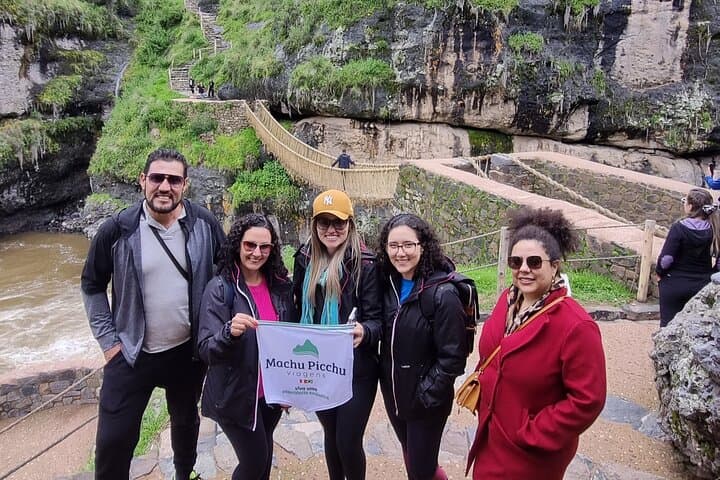
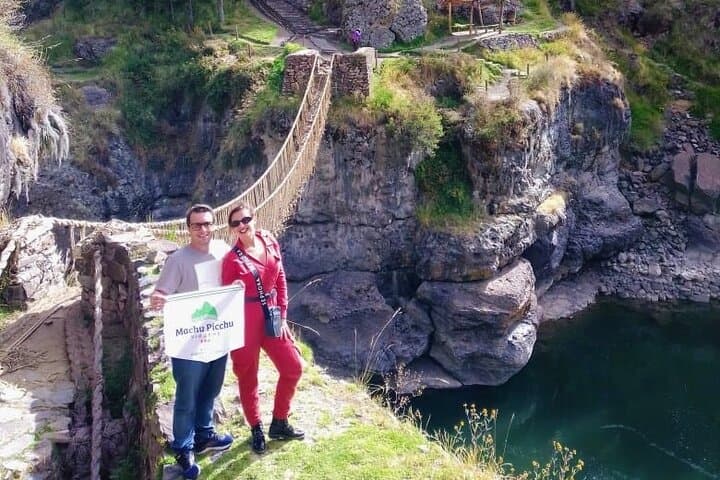
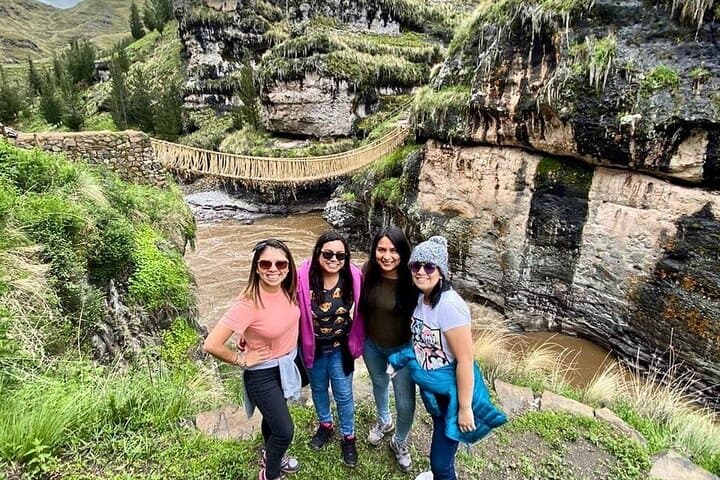
You step out of the van as wind from the high puna pulls at your jacket; the valley opens in a sweep of grass and small lakes, and a narrow rope bridge of woven ichu waits across the gorge. The Q’eswachaka bridge is not a relic behind glass but a living engineering line—29 meters of braided straw rebuilt each year by neighboring communities.
Verified experiences and guided adventures in the surrounding area.
Operated by Viagens Machu Picchu · Quehue, Cusco
You step out of the van as wind from the high puna pulls at your jacket; the valley opens in a sweep of grass and small lakes, and a narrow rope bridge of woven ichu waits across the gorge. The Q’eswachaka bridge is not a relic behind glass but a living engineering line—29 meters of braided straw rebuilt each year by neighboring communities.
The road south from Cusco traces volcanic ridges and highland wetlands formed by uplifted Andean strata. Along the way you pass Pomacanchi and other shallow lakes that host tufted vegetation and resident waterfowl. The guided walk to Q’eswachaka includes explanations of Inca construction methods, the ritual repair ceremony that survives as social glue, and a visit to nearby caverns whose stalactites were shaped into recognizable figures used in pre-Columbian ritual contexts.
Culture here feels hands-on: the bridge’s yearly renewal is a communal obligation that ties modern villagers to ancestral craft and territorial identity. Geologically, the gorge exposes compressed volcanic and sedimentary layers; archaeologically, the route has long linked communities across the Apurímac watershed.
Practical notes: expect a short, uneven hike to the bridge at ~3,900–4,000 m elevation, with cool, changeable weather. Bring layered clothing, sun protection, and water; the tour includes private transport, a box lunch and a bilingual guide. Photography is welcome but be respectful during the reweaving ceremony, and avoid stepping on ichu that hasn’t been set for crossing. Aim for an early start from Cusco to maximize light for the lakes and keep afternoons free for altitude acclimatization.
moderate.
6 hours.
Moderate fitness; able to walk short uneven trails at high altitude
The transfer is roughly two hours each way depending on traffic and stops along the route.
Yes—the bridge is maintained annually by local communities; follow staff directions and limit load if instructed.
The area sits around 3,900–4,000 m; mild altitude symptoms are common—acclimatize, hydrate, and inform your guide of concerns.
The tour includes bottled water and a boxed lunch; bring snacks if you need more calories for altitude.
Q’eswachaka is the only remaining Inca grass bridge still renewed by traditional community labor, a ritual practice that predates Spanish colonization.
Visitors are asked to respect repair rituals and avoid trampling ichu; supporting local guides helps sustain the yearly weaving tradition.
Viagens Machu Picchu operates guided outdoor trips and adventures with an emphasis on safety, stewardship, and memorable experiences.
You step out of the van as wind from the high puna pulls at your jacket; the valley opens in a sweep of grass and small lakes, and a narrow rope bridge of woven ichu waits across the gorge. The Q’eswachaka bridge is not a relic behind glass but a living engineering line—29 meters of braided straw rebuilt each year by neighboring communities.
You step out of the van as wind from the high puna pulls at your jacket; the valley opens in a sweep of grass and small lakes, and a narrow rope bridge of woven ichu waits across the gorge. The Q’eswachaka bridge is not a relic behind glass but a living engineering line—29 meters of braided straw rebuilt each year by neighboring communities.
The road south from Cusco traces volcanic ridges and highland wetlands formed by uplifted Andean strata. Along the way you pass Pomacanchi and other shallow lakes that host tufted vegetation and resident waterfowl. The guided walk to Q’eswachaka includes explanations of Inca construction methods, the ritual repair ceremony that survives as social glue, and a visit to nearby caverns whose stalactites were shaped into recognizable figures used in pre-Columbian ritual contexts.
Culture here feels hands-on: the bridge’s yearly renewal is a communal obligation that ties modern villagers to ancestral craft and territorial identity. Geologically, the gorge exposes compressed volcanic and sedimentary layers; archaeologically, the route has long linked communities across the Apurímac watershed.
Practical notes: expect a short, uneven hike to the bridge at ~3,900–4,000 m elevation, with cool, changeable weather. Bring layered clothing, sun protection, and water; the tour includes private transport, a box lunch and a bilingual guide. Photography is welcome but be respectful during the reweaving ceremony, and avoid stepping on ichu that hasn’t been set for crossing. Aim for an early start from Cusco to maximize light for the lakes and keep afternoons free for altitude acclimatization.