THE ADVENTURE COLLECTIVE® · Independent discovery and booking for outdoor travel

A full-day private tour from Cusco to Q’eswachaka—the last Inca rope bridge—paired with four highland lagoons. Experience a living ritual, short high-altitude walks, and panoramic viewpoints on a single, culture-rich day trip.
A full-day private tour from Cusco to Q’eswachaka—the last Inca rope bridge—paired with four highland lagoons. Experience a living ritual, short high-altitude walks, and panoramic viewpoints on a single, culture-rich day trip.
You step out before dawn in Cusco and watch the highland light sharpen over terraced fields as the van climbs toward Canas. Wind pushes across puna grass; lakes appear like dark mirrors between ridgelines. The day is a measured rhythm of short hikes, viewpoints and a slow approach to the last living Inca rope bridge, Q’eswachaka — a place where community, craft and altitude converge.
Verified experiences and guided adventures in the surrounding area.
Operated by Kantu Peru Tours · Cusco, Cusco
You step out before dawn in Cusco and watch the highland light sharpen over terraced fields as the van climbs toward Canas. Wind pushes across puna grass; lakes appear like dark mirrors between ridgelines. The day is a measured rhythm of short hikes, viewpoints and a slow approach to the last living Inca rope bridge, Q’eswachaka — a place where community, craft and altitude converge.
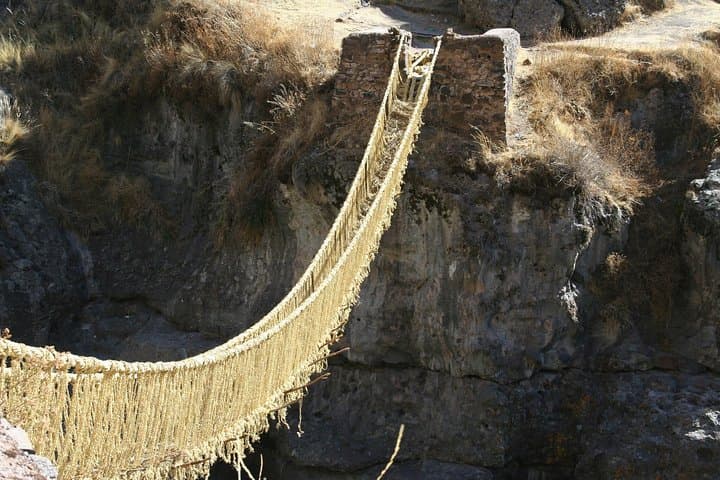
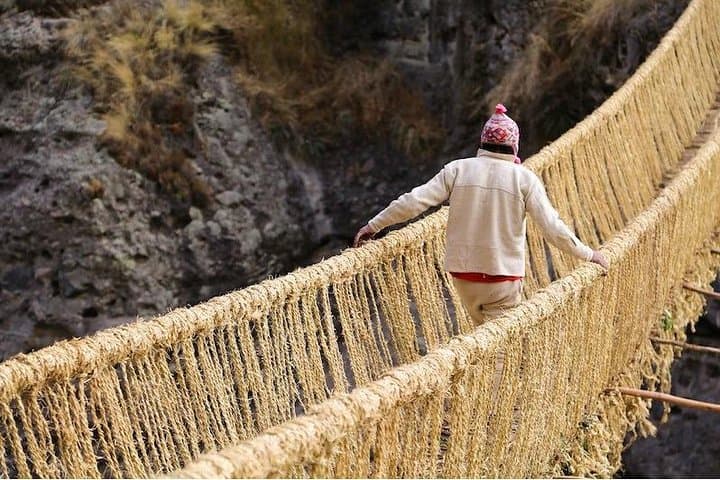
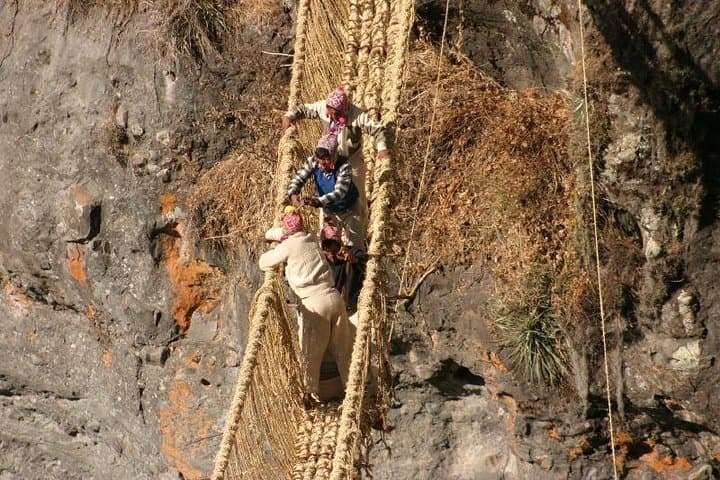
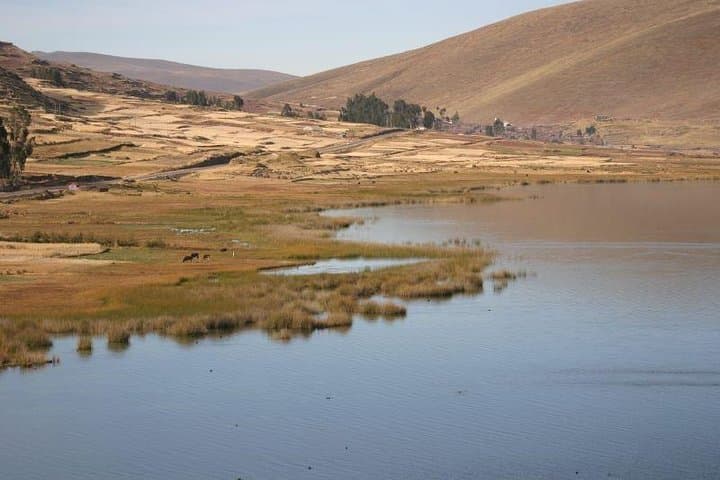
The bridge itself is woven from qoya fiber and rebuilt every year by local Quechua-speaking communities using techniques that trace to pre-Columbian engineering. The surrounding landscape is volcanic high plain and glacially carved basins; four small lagoons punctuate the valleys, fed by seasonal runoff and underground springs. Guides explain local customs and the ritual renewal that keeps the bridge functional, while pointing out stonework, ancient footpaths and the agricultural logic of nearby comunidades.
Practically, this is a long day trip: expect about 10–11 hours door-to-door from Cusco with several brief, mostly easy walks at altitude (3,700–4,000 m typical). Bring layers, sun protection and snacks; the highland sun and sudden wind can be as decisive as the steep pinch of thin air. Photography opportunities come during short stops at viewpoints and at the bridge itself; respect the ritual area and follow your guide’s directions.
This tour suits travelers wanting cultural contact without multi-day trekking. Move deliberately, drink water frequently, and allow extra time for photo stops and acclimatization — the region rewards patience with close-up encounters of living Inca tradition and broad Andean panoramas.
easy.
10–11 hours.
Suitable for travelers in average physical condition; brief, mostly easy walks but at high elevation require light endurance.
The private tour runs about 10–11 hours with an early hotel pickup in Cusco (around 5:00 AM) and returns in the early evening.
Viewing and short crossings are part of the experience, but guides will advise based on safety and the ongoing ritual; follow their guidance.
No advanced fitness or technical skill is required; the walks are short and rated easy, but altitude makes them more demanding than sea-level hikes.
Bring water, move slowly, consider coca tea if you use it, and inform the operator of any respiratory or heart issues; the tour provides a first-aid kit and oxygen.
Q’eswachaka is maintained through an annual textile-and-rope renewal ceremony led by four neighboring communities, preserving construction methods that predate Spanish contact.
The bridge and surrounding puna are managed by local communities; travelers should stay on paths, avoid disturbing ritual areas and pack out all waste to minimize impact.
Kantu Peru Tours operates guided outdoor trips and adventures with an emphasis on safety, stewardship, and memorable experiences.
You step out before dawn in Cusco and watch the highland light sharpen over terraced fields as the van climbs toward Canas. Wind pushes across puna grass; lakes appear like dark mirrors between ridgelines. The day is a measured rhythm of short hikes, viewpoints and a slow approach to the last living Inca rope bridge, Q’eswachaka — a place where community, craft and altitude converge.
You step out before dawn in Cusco and watch the highland light sharpen over terraced fields as the van climbs toward Canas. Wind pushes across puna grass; lakes appear like dark mirrors between ridgelines. The day is a measured rhythm of short hikes, viewpoints and a slow approach to the last living Inca rope bridge, Q’eswachaka — a place where community, craft and altitude converge.
The bridge itself is woven from qoya fiber and rebuilt every year by local Quechua-speaking communities using techniques that trace to pre-Columbian engineering. The surrounding landscape is volcanic high plain and glacially carved basins; four small lagoons punctuate the valleys, fed by seasonal runoff and underground springs. Guides explain local customs and the ritual renewal that keeps the bridge functional, while pointing out stonework, ancient footpaths and the agricultural logic of nearby comunidades.
Practically, this is a long day trip: expect about 10–11 hours door-to-door from Cusco with several brief, mostly easy walks at altitude (3,700–4,000 m typical). Bring layers, sun protection and snacks; the highland sun and sudden wind can be as decisive as the steep pinch of thin air. Photography opportunities come during short stops at viewpoints and at the bridge itself; respect the ritual area and follow your guide’s directions.
This tour suits travelers wanting cultural contact without multi-day trekking. Move deliberately, drink water frequently, and allow extra time for photo stops and acclimatization — the region rewards patience with close-up encounters of living Inca tradition and broad Andean panoramas.