THE ADVENTURE COLLECTIVE® · Independent discovery and booking for outdoor travel

Walk the last living Inca rope bridge and visit the reflective lagoons of Acomayo on a single full-day outing from Cusco. This trip pairs cultural ritual, highland scenery, and accessible hiking for a compact Andean experience.
Walk the last living Inca rope bridge and visit the reflective lagoons of Acomayo on a single full-day outing from Cusco. This trip pairs cultural ritual, highland scenery, and accessible hiking for a compact Andean experience.
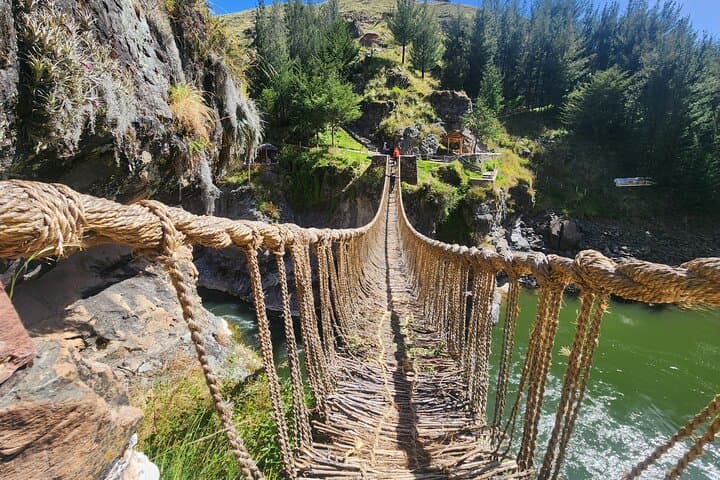
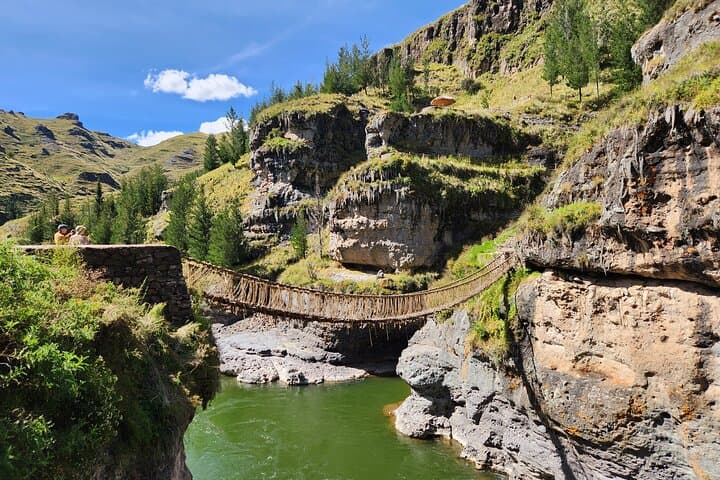
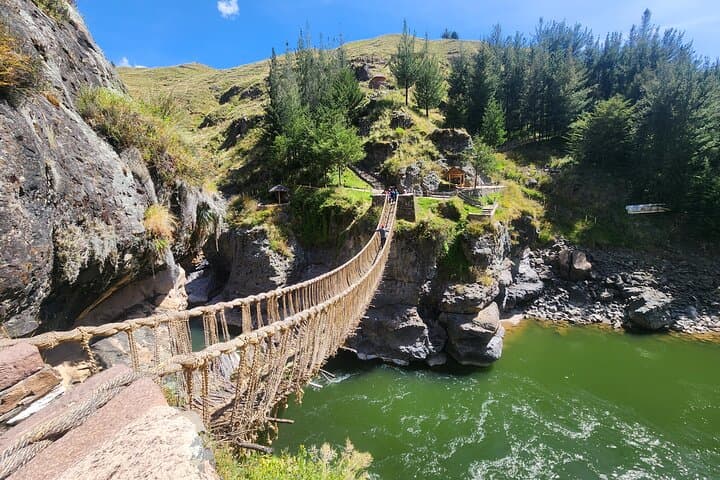
Dawn breaks over high Andean pasture as the van climbs out of the dusty valleys toward a narrow span of woven grass that still links two communities. Standing at Qeswachaka, the last functioning Inca rope bridge, the wind tugs at the ichu grass and the bridge seems to breathe — a living craft rebuilt each year by neighbors.
Verified experiences and guided adventures in the surrounding area.
Operated by TARVOS PERU TOURS · Quehue, Cusco
Dawn breaks over high Andean pasture as the van climbs out of the dusty valleys toward a narrow span of woven grass that still links two communities. Standing at Qeswachaka, the last functioning Inca rope bridge, the wind tugs at the ichu grass and the bridge seems to breathe — a living craft rebuilt each year by neighbors.
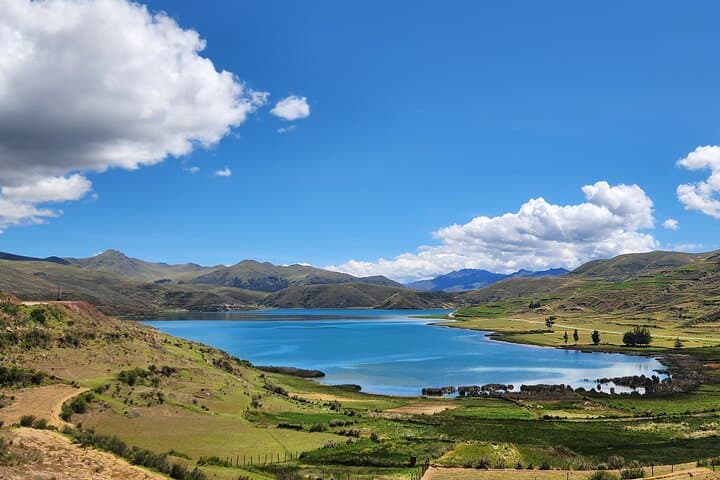
The path to Qeswachaka threads through puna grassland and agricultural terraces shaped over centuries by Quechua farmers. The bridge itself is a work of living engineering: braided ichu and grass ropes suspended across a shallow gorge, rebuilt every June in a communal ritual that preserves pre-Columbian engineering and social practice. Nearby, the Four Lagoons of Acomayo reflect a patchwork of high-elevation wetlands carved by glacial action and fed by seasonal streams, pockets of life for Andean waterfowl and native plants.
On this full-day route travelers should expect long but gentle stretches of walking, opportunities for birdwatching, and stops at local hamlets where guides explain weaving, ceremony, and regional history. Photography is constant — from wide lake surfaces to close-up cultural details.
Practical guidance: start early to avoid afternoon weather, dress in layers for strong sun and sudden wind, and carry at least 2 liters of water. Footwear should be sturdy for uneven village trails; bring cash for small community donations and souvenirs. The day is cultural as much as scenic — go with curiosity, respect local customs when crossing the bridge, and leave no trace.
easy.
12 hours.
Light fitness required: mostly short walks and standing during visits; suitable for most travelers with normal mobility.
Travel time is typically 2–3 hours one-way depending on traffic and your pickup location in Cusco.
Yes; the bridge is maintained through a community ceremony and guides will advise if crossings are limited for ceremonial reasons.
Most full-day tours include breakfast and lunch as advertised, but bring snacks if you have specific dietary needs.
The tour is generally family-friendly but not recommended for pregnant travelers; check with the operator about age limits and mobility needs.
Qeswachaka is one of the last remaining examples of Inca rope-bridge technology; communities in the region keep the rebuilding ritual alive as a living cultural practice.
Visitors are encouraged to stay on trails, avoid introducing plastics into highland wetlands, and respect community requests — tourism supports local economies when done sustainably.
TARVOS PERU TOURS operates guided outdoor trips and adventures with an emphasis on safety, stewardship, and memorable experiences.
Dawn breaks over high Andean pasture as the van climbs out of the dusty valleys toward a narrow span of woven grass that still links two communities. Standing at Qeswachaka, the last functioning Inca rope bridge, the wind tugs at the ichu grass and the bridge seems to breathe — a living craft rebuilt each year by neighbors.
Dawn breaks over high Andean pasture as the van climbs out of the dusty valleys toward a narrow span of woven grass that still links two communities. Standing at Qeswachaka, the last functioning Inca rope bridge, the wind tugs at the ichu grass and the bridge seems to breathe — a living craft rebuilt each year by neighbors.
The path to Qeswachaka threads through puna grassland and agricultural terraces shaped over centuries by Quechua farmers. The bridge itself is a work of living engineering: braided ichu and grass ropes suspended across a shallow gorge, rebuilt every June in a communal ritual that preserves pre-Columbian engineering and social practice. Nearby, the Four Lagoons of Acomayo reflect a patchwork of high-elevation wetlands carved by glacial action and fed by seasonal streams, pockets of life for Andean waterfowl and native plants.
On this full-day route travelers should expect long but gentle stretches of walking, opportunities for birdwatching, and stops at local hamlets where guides explain weaving, ceremony, and regional history. Photography is constant — from wide lake surfaces to close-up cultural details.
Practical guidance: start early to avoid afternoon weather, dress in layers for strong sun and sudden wind, and carry at least 2 liters of water. Footwear should be sturdy for uneven village trails; bring cash for small community donations and souvenirs. The day is cultural as much as scenic — go with curiosity, respect local customs when crossing the bridge, and leave no trace.