THE ADVENTURE COLLECTIVE® · Independent discovery and booking for outdoor travel

A single-day route from Cusco that pairs the living Inca rope bridge of Q’eswachaka with four remote highland lagoons. Expect short walks, sharp light, and close encounters with Quechua craft and Andean landscapes.
A single-day route from Cusco that pairs the living Inca rope bridge of Q’eswachaka with four remote highland lagoons. Expect short walks, sharp light, and close encounters with Quechua craft and Andean landscapes.
The bus pulls out of Cusco at first light and the high plain opens like a page: wind-swept grass, stone terraces, and a river valley that dares you to look closer.
Verified experiences and guided adventures in the surrounding area.
Operated by Peru Andes Discovery · Cusco, Cusco
The bus pulls out of Cusco at first light and the high plain opens like a page: wind-swept grass, stone terraces, and a river valley that dares you to look closer.
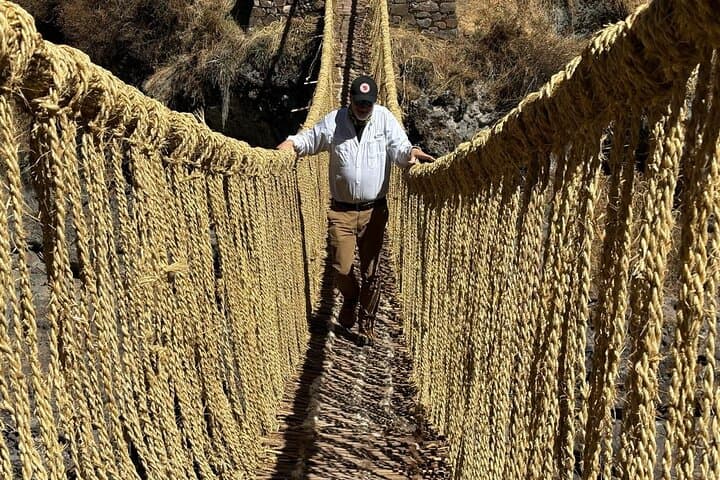
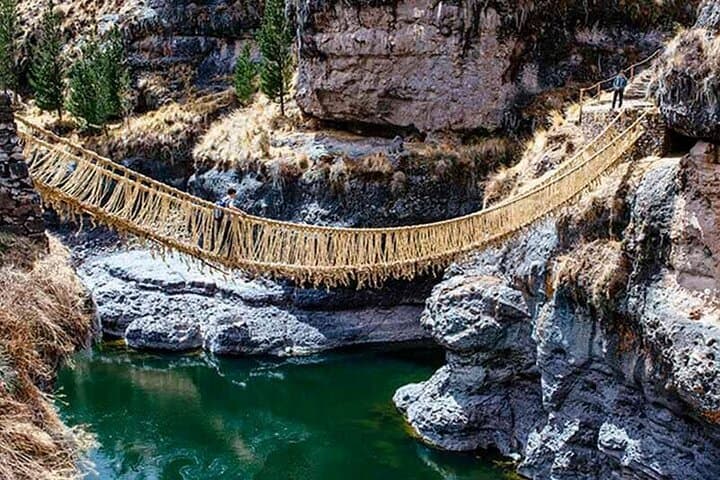
Within a few hours you arrive at Q’eswachaka, the handwoven Inca rope bridge rebuilt each year by Quechua communities. Walking its narrow span, you feel the ingenuity of pre-Columbian engineering and the living ritual of ichu grass being braided and lashed into place.
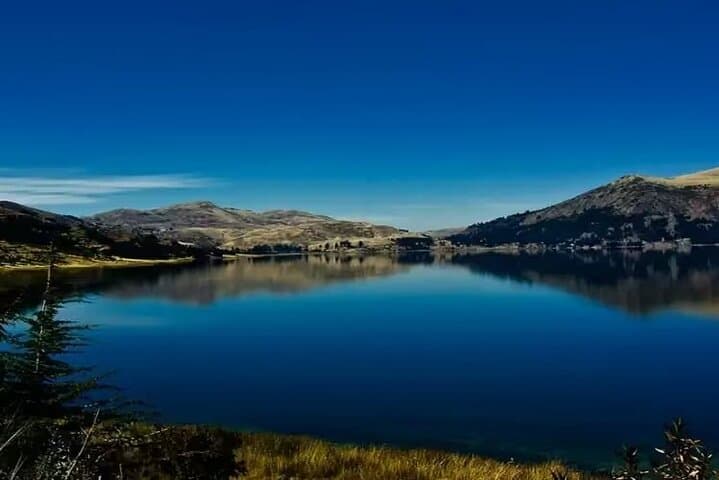
The afternoon moves through four highland lagoons—Pampamarca, Acopia, Asnacocha and Pomacanchi—each a shallow basin shaped by Pleistocene glaciers and the slow grind of Andean uplift. Colors change rapidly here: peat-dark shallows, sky-reflecting flats and windswept shorelines dotted with tufted grasses and grazing llamas. Local villages preserve traditional weaving and subsistence agriculture; farmers still plant by the old Quechua calendar.
Practically, expect an eight-hour day with short walks at each stop, plenty of photo opportunities, and limited facilities outside principal lagoons. Altitude will be the main factor—plan for slow pacing, hydration, and sun protection. Guides normally include bottled water and entrance fees; lunch is recommended in a roadside eatery en route.
This tour balances cultural contact and light outdoor walking: it’s ideal for travelers acclimatized to Cusco who want a single-day window into Andean life, ancient engineering and quiet highland landscapes without a multi-day trek.
easy.
8 hours.
Suitable for travelers in regular health but acclimatized to high altitude; requires short, easy walks and standing.
The full experience is about eight hours with hotel pickup in Cusco, typically starting around 6:00 a.m.
Yes — the bridge is maintained annually by local communities using traditional techniques and is safe for guided crossings; follow guide directions.
Basic restrooms and roadside eateries are available at some stops; bring snacks and cash for lunch if you prefer specific options.
Yes — because stops are between roughly 3,500–4,000 m, acclimatization in Cusco for at least 24 hours is strongly recommended.
Q’eswachaka is an Inca-era suspension bridge rebuilt each year by nearby Quechua communities using ichu grass; the ritual preserves both craft and communal ties.
Communities manage and repair the bridge annually, and responsible tourism helps fund maintenance—pack out trash and avoid single-use plastics around fragile wetlands.
Peru Andes Discovery operates guided outdoor trips and adventures with an emphasis on safety, stewardship, and memorable experiences.
The bus pulls out of Cusco at first light and the high plain opens like a page: wind-swept grass, stone terraces, and a river valley that dares you to look closer.
The bus pulls out of Cusco at first light and the high plain opens like a page: wind-swept grass, stone terraces, and a river valley that dares you to look closer.
Within a few hours you arrive at Q’eswachaka, the handwoven Inca rope bridge rebuilt each year by Quechua communities. Walking its narrow span, you feel the ingenuity of pre-Columbian engineering and the living ritual of ichu grass being braided and lashed into place.
The afternoon moves through four highland lagoons—Pampamarca, Acopia, Asnacocha and Pomacanchi—each a shallow basin shaped by Pleistocene glaciers and the slow grind of Andean uplift. Colors change rapidly here: peat-dark shallows, sky-reflecting flats and windswept shorelines dotted with tufted grasses and grazing llamas. Local villages preserve traditional weaving and subsistence agriculture; farmers still plant by the old Quechua calendar.
Practically, expect an eight-hour day with short walks at each stop, plenty of photo opportunities, and limited facilities outside principal lagoons. Altitude will be the main factor—plan for slow pacing, hydration, and sun protection. Guides normally include bottled water and entrance fees; lunch is recommended in a roadside eatery en route.
This tour balances cultural contact and light outdoor walking: it’s ideal for travelers acclimatized to Cusco who want a single-day window into Andean life, ancient engineering and quiet highland landscapes without a multi-day trek.