THE ADVENTURE COLLECTIVE® · Independent discovery and booking for outdoor travel

Walk a living Inca bridge braided from grass and finish on compact rainbow ridgelines—this full-day trip pairs a rare cultural ceremony with accessible high-altitude views. Expect strong sun, thin air, and short, rewarding hikes.
Walk a living Inca bridge braided from grass and finish on compact rainbow ridgelines—this full-day trip pairs a rare cultural ceremony with accessible high-altitude views. Expect strong sun, thin air, and short, rewarding hikes.
High on the highlands where the Apurímac cuts a deep throat through Andean rock, the Q'eswachaka bridge stretches across the river like a living memory. Grass ropes hum underfoot; the wind picks up strands and seems to remind you that this span is rebuilt by hand every one or two years. On the same day the route swings up toward the colorful ridges of Palccoyo (the three-rainbow viewpoint), offering a compact alternative to longer treks and an abrupt panorama of Ausangate’s ice dome.
Verified experiences and guided adventures in the surrounding area.
Operated by Peru4Fun Servicios Turísticos EIRL · Quehue, Cusco
High on the highlands where the Apurímac cuts a deep throat through Andean rock, the Q'eswachaka bridge stretches across the river like a living memory. Grass ropes hum underfoot; the wind picks up strands and seems to remind you that this span is rebuilt by hand every one or two years. On the same day the route swings up toward the colorful ridges of Palccoyo (the three-rainbow viewpoint), offering a compact alternative to longer treks and an abrupt panorama of Ausangate’s ice dome.
The bridge is an unbroken line from Inca engineering: braided ichu grass, communal labor, and techniques handed down through generations. Geologically, you cross an Apurímac gorge carved from uplifted volcanic and sedimentary layers; nearby slopes wear the oxidized minerals that produce the striped colors of the rainbow hills. The local Quechua communities still practice ritual offerings during the rebuild—an active piece of living heritage that links daily life to landscape.
Practically, this is a full-day excursion from Cusco with long drives on mountain roads, short high-altitude walks and a taste of traditional rural hospitality. Expect thin air (3,700–5,200 m), rocky paths and strong sun. Wear broken-in boots, bring layered warm clothing, water and snacks, and allow time to acclimatize in Cusco beforehand. Guides arrange transport, permits and a meal; visitors should respect ceremonial areas and local customs, carry small bills for market purchases, and keep all organic waste packed out. The day pairs cultural immersion with immediate alpine scenery—an attainable, vivid taste of Andean life and geology without multi-day trekking.
moderate.
10–12 hours.
Suitable for those with moderate fitness and prior light hiking experience; acclimatization to high altitude required
The walking portions are short—typically 15–60 minutes at viewpoints—but the day includes long drives and time at each site, making it a full-day outing.
Yes. Sites range from ~3,700 m at Q'eswachaka to ~5,200 m near Vinicunca/Palccoyo; gradual acclimatization in Cusco (48–72 hours) is recommended.
The bridge uses traditional Inca techniques and native fibers; it is an ongoing communal reconstruction preserving ancient methods rather than an untouched ancient structure.
On guided full-day tours these are usually included—confirm with the operator, but most packages cover transport, entry fees and a local meal.
Q'eswachaka is a rare surviving example of pre-Columbian rope-bridge technology maintained as a communal ritual of repair, kept alive by Quechua communities.
The area’s puna grasslands are fragile; local rebuilding of the bridge is both cultural preservation and resource-intensive—minimize impact by staying on trails and packing out waste.
Peru4Fun Servicios Turísticos EIRL operates guided outdoor trips and adventures with an emphasis on safety, stewardship, and memorable experiences.
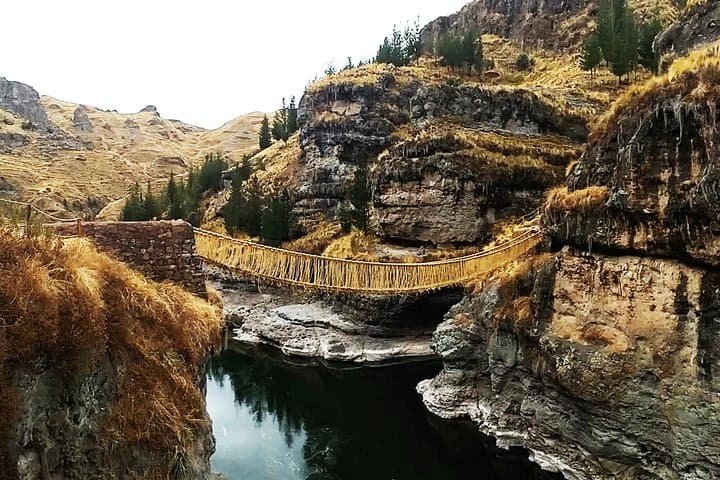
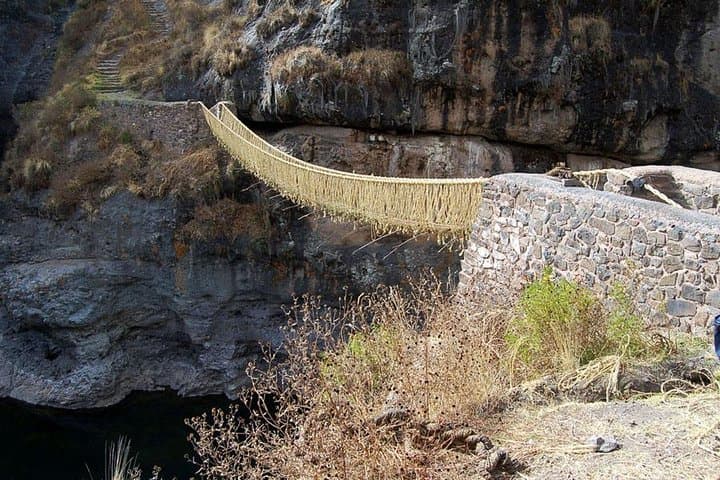


High on the highlands where the Apurímac cuts a deep throat through Andean rock, the Q'eswachaka bridge stretches across the river like a living memory. Grass ropes hum underfoot; the wind picks up strands and seems to remind you that this span is rebuilt by hand every one or two years. On the same day the route swings up toward the colorful ridges of Palccoyo (the three-rainbow viewpoint), offering a compact alternative to longer treks and an abrupt panorama of Ausangate’s ice dome.
High on the highlands where the Apurímac cuts a deep throat through Andean rock, the Q'eswachaka bridge stretches across the river like a living memory. Grass ropes hum underfoot; the wind picks up strands and seems to remind you that this span is rebuilt by hand every one or two years. On the same day the route swings up toward the colorful ridges of Palccoyo (the three-rainbow viewpoint), offering a compact alternative to longer treks and an abrupt panorama of Ausangate’s ice dome.
The bridge is an unbroken line from Inca engineering: braided ichu grass, communal labor, and techniques handed down through generations. Geologically, you cross an Apurímac gorge carved from uplifted volcanic and sedimentary layers; nearby slopes wear the oxidized minerals that produce the striped colors of the rainbow hills. The local Quechua communities still practice ritual offerings during the rebuild—an active piece of living heritage that links daily life to landscape.
Practically, this is a full-day excursion from Cusco with long drives on mountain roads, short high-altitude walks and a taste of traditional rural hospitality. Expect thin air (3,700–5,200 m), rocky paths and strong sun. Wear broken-in boots, bring layered warm clothing, water and snacks, and allow time to acclimatize in Cusco beforehand. Guides arrange transport, permits and a meal; visitors should respect ceremonial areas and local customs, carry small bills for market purchases, and keep all organic waste packed out. The day pairs cultural immersion with immediate alpine scenery—an attainable, vivid taste of Andean life and geology without multi-day trekking.