THE ADVENTURE COLLECTIVE® · Independent discovery and booking for outdoor travel

Travel from Doha to Qatar’s northern coast for a four-hour loop through historic harbors, Al Thakhira’s mangroves and the UNESCO-linked Al Zubarah Fort. This full-day tour blends coastal ecology with archaeological context and easy, camera-ready stops.
Travel from Doha to Qatar’s northern coast for a four-hour loop through historic harbors, Al Thakhira’s mangroves and the UNESCO-linked Al Zubarah Fort. This full-day tour blends coastal ecology with archaeological context and easy, camera-ready stops.
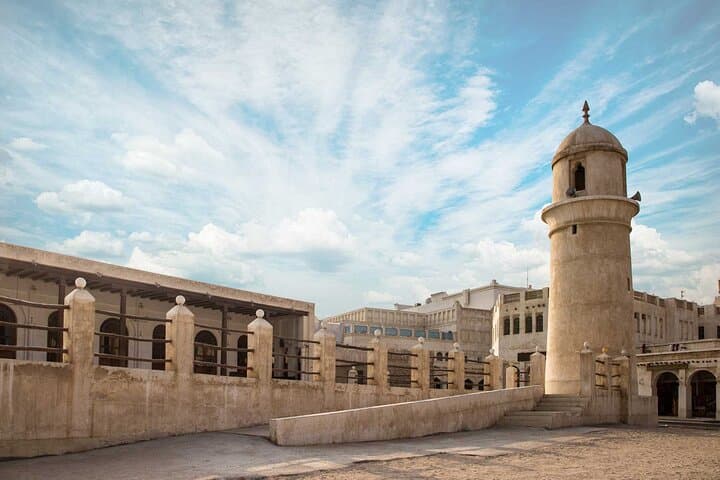
A low, salty wind carries the smell of the sea as the minivan leaves Doha and heads north, roadside dunes blurring into stretches of stony coast. The first stop is Al Khor’s old harbor where weathered dhows and shipyards keep the memory of pearl diving alive—timbers creak with stories of hands and tides.
Verified experiences and guided adventures in the surrounding area.
Operated by Oryx Tourism · Doha, Doha
A low, salty wind carries the smell of the sea as the minivan leaves Doha and heads north, roadside dunes blurring into stretches of stony coast. The first stop is Al Khor’s old harbor where weathered dhows and shipyards keep the memory of pearl diving alive—timbers creak with stories of hands and tides.
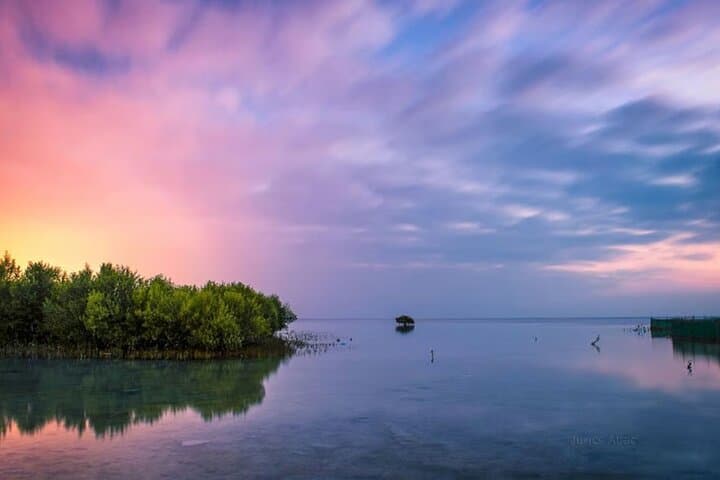
From there the route threads into the Al Thakhira mangroves, a dense green pocket where roots reach like fingers into shallow water and birds pick at the mud flats. The mangrove stands are one of Qatar’s largest; their tangled prop roots trap sediment and shelter juvenile fish, creating a small but vital coastal ecosystem.
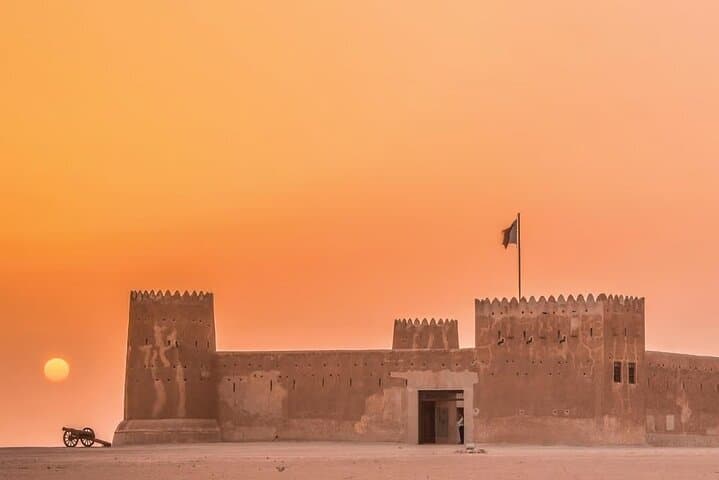
The afternoon moves west toward Al Zubarah Archaeological Site. The fort that caps the settlement is a clear, compact example of early 20th-century military architecture built from coral and limestone—its meter-thick walls intended to hold back both sand and rivals. The site marks a trading past driven by pearling, fishing and shifting regional routes across the Gulf.
Practical notes: expect short walks on sandy and paved sections, brief guided stops for photography and interpretation, and a mostly flat route with minimal elevation. Carry water, sun protection and a light layer for coastal breezes; comfortable walking shoes handle mangrove boardwalks and fort paths equally well.
The day blends natural edges and human history—mangroves that push back at the sea and a fort that keeps watch over a once-bustling port—making for a compact, informative taste of northern Qatar.
easy.
4 hours.
Suitable for most fitness levels; requires short, mostly flat walks and standing during guided stops.
Pickup and drop-off are provided from Doha; exact pickup locations are confirmed at booking.
Admission to Al Zubarah Fort is included in this tour's itinerary.
Yes; the tour is rated easy with minimal walking and can accommodate most ages, though participants should be comfortable with short walks and standing during explanations.
You’ll likely see shorebirds and wading species; sightings of specific species depend on season and tides.
Northern Qatar grew around pearling and regional trade; Al Zubarah was a fortified trading town whose ruins reveal a once-thriving Gulf mercantile hub.
Mangrove stands are ecologically important for coastline stability and fisheries; visitors should avoid trampling roots and adhere to marked paths to minimize impact.
Oryx Tourism operates guided outdoor trips and adventures with an emphasis on safety, stewardship, and memorable experiences.

A low, salty wind carries the smell of the sea as the minivan leaves Doha and heads north, roadside dunes blurring into stretches of stony coast. The first stop is Al Khor’s old harbor where weathered dhows and shipyards keep the memory of pearl diving alive—timbers creak with stories of hands and tides.
A low, salty wind carries the smell of the sea as the minivan leaves Doha and heads north, roadside dunes blurring into stretches of stony coast. The first stop is Al Khor’s old harbor where weathered dhows and shipyards keep the memory of pearl diving alive—timbers creak with stories of hands and tides.
From there the route threads into the Al Thakhira mangroves, a dense green pocket where roots reach like fingers into shallow water and birds pick at the mud flats. The mangrove stands are one of Qatar’s largest; their tangled prop roots trap sediment and shelter juvenile fish, creating a small but vital coastal ecosystem.
The afternoon moves west toward Al Zubarah Archaeological Site. The fort that caps the settlement is a clear, compact example of early 20th-century military architecture built from coral and limestone—its meter-thick walls intended to hold back both sand and rivals. The site marks a trading past driven by pearling, fishing and shifting regional routes across the Gulf.
Practical notes: expect short walks on sandy and paved sections, brief guided stops for photography and interpretation, and a mostly flat route with minimal elevation. Carry water, sun protection and a light layer for coastal breezes; comfortable walking shoes handle mangrove boardwalks and fort paths equally well.
The day blends natural edges and human history—mangroves that push back at the sea and a fort that keeps watch over a once-bustling port—making for a compact, informative taste of northern Qatar.