THE ADVENTURE COLLECTIVE® · Independent discovery and booking for outdoor travel

Drive from Doha to Al Khor’s harbor and the purple tidal flats, then cross to Al Zubara Fort and the stark limestone of Zekreet. This private 6–8 hour tour pairs cultural sites with desert geology and mangrove birding — ideal for a focused day exploring northern and western Qatar.
Drive from Doha to Al Khor’s harbor and the purple tidal flats, then cross to Al Zubara Fort and the stark limestone of Zekreet. This private 6–8 hour tour pairs cultural sites with desert geology and mangrove birding — ideal for a focused day exploring northern and western Qatar.
You step out of an air‑conditioned vehicle into a light, dry wind and the coast lays itself flat and bright before you — salt flats, low dunes and limestone ribs slicing the horizon. The tour threads between northern fishing harbors and western desert sculptures, moving from Al Khor’s old harbor and purple‑tinted tidal flats to the weathered stones of Zubara Fort and the umbrella rock at Zekreet.
Verified experiences and guided adventures in the surrounding area.
Operated by Luxurious Tourism · Doha, Doha
You step out of an air‑conditioned vehicle into a light, dry wind and the coast lays itself flat and bright before you — salt flats, low dunes and limestone ribs slicing the horizon. The tour threads between northern fishing harbors and western desert sculptures, moving from Al Khor’s old harbor and purple‑tinted tidal flats to the weathered stones of Zubara Fort and the umbrella rock at Zekreet.
Historically this coastline was stitched to the Persian Gulf pearl trade; Al Khor’s harbor still recalls the dhow traffic and simple townscape of limestone and mud architecture. Geologically the west coast folds from soft Quaternary sands into exposed Eocene limestone on the Zekreet Peninsula — the rocks here erode into dramatic ribs and hoodoos that photographers prize. Culturally you’ll pass camel race tracks and small villages where Gulf traditions remain visible in building techniques and daily life.
Expect mostly short walks: boardwalks through mangroves, flat archaeological terraces, and sand ramps around the umbrella rock. Wildlife is subtle but present — wading birds and small desert mammals appear in the quieter hours. Practical side: bring sun protection, at least 2 liters of water, and comfortable walking shoes for sand and uneven rock. Timing matters — mornings and late afternoons are cooler and better for light and bird activity. The tour is private and runs 6–8 hours with door‑to‑door transport; moderate camera gear and a small daypack are ideal. Respect fenced archaeological zones and stick to marked paths through mangroves to protect fragile habitats.
easy.
6–8 hours.
Suitable for most fitness levels; involves short walks (10–30 minutes) on flat to uneven surfaces and some standing.
Yes — the tour lists infant seat availability and is labeled physically easy; infants must sit on an adult’s lap unless a child seat is requested in advance.
General entry to the sites on this tour is managed by the operator; follow the guide’s instructions and avoid restricted areas within archaeological zones.
Winter and cooler shoulder seasons (November–April) offer milder temperatures and better birding; mornings and late afternoons are preferable any time of year.
Bottled water and tea/coffee are included; bring snacks if you prefer more substantial options between stops.
Al Zubarah was a fortified pearling and trading town; its fort and archaeological landscape are Qatar’s first UNESCO World Heritage Site.
Mangroves and archaeological sites are fragile; stick to boardwalks, avoid disturbing wildlife, and follow guide instructions to limit erosion and trampling.
Luxurious Tourism operates guided outdoor trips and adventures with an emphasis on safety, stewardship, and memorable experiences.
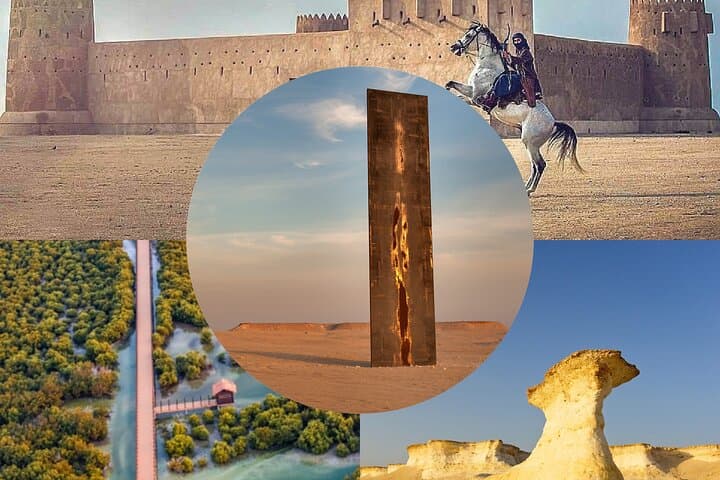
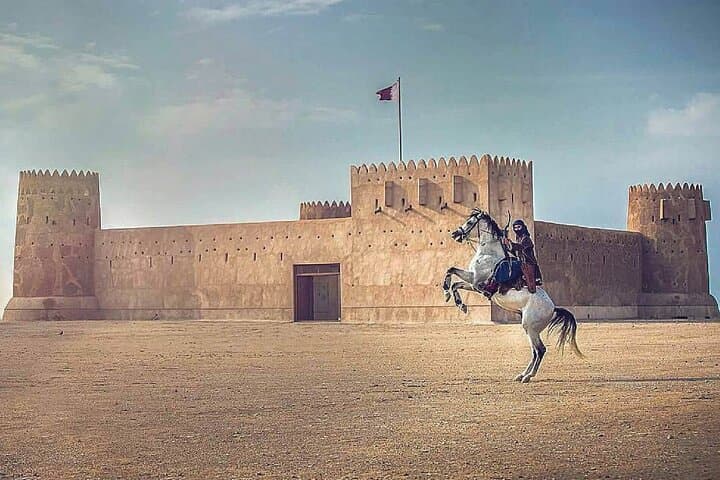
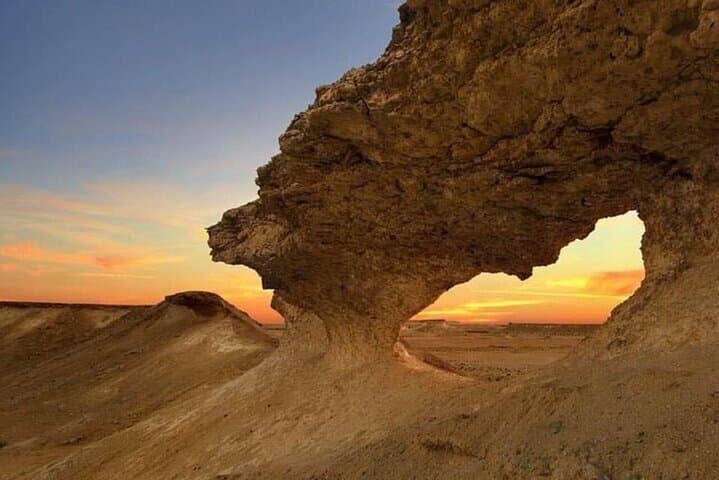
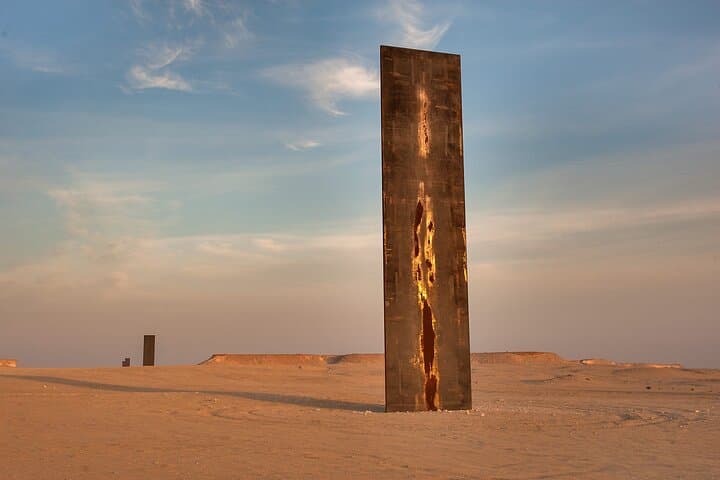
You step out of an air‑conditioned vehicle into a light, dry wind and the coast lays itself flat and bright before you — salt flats, low dunes and limestone ribs slicing the horizon. The tour threads between northern fishing harbors and western desert sculptures, moving from Al Khor’s old harbor and purple‑tinted tidal flats to the weathered stones of Zubara Fort and the umbrella rock at Zekreet.
You step out of an air‑conditioned vehicle into a light, dry wind and the coast lays itself flat and bright before you — salt flats, low dunes and limestone ribs slicing the horizon. The tour threads between northern fishing harbors and western desert sculptures, moving from Al Khor’s old harbor and purple‑tinted tidal flats to the weathered stones of Zubara Fort and the umbrella rock at Zekreet.
Historically this coastline was stitched to the Persian Gulf pearl trade; Al Khor’s harbor still recalls the dhow traffic and simple townscape of limestone and mud architecture. Geologically the west coast folds from soft Quaternary sands into exposed Eocene limestone on the Zekreet Peninsula — the rocks here erode into dramatic ribs and hoodoos that photographers prize. Culturally you’ll pass camel race tracks and small villages where Gulf traditions remain visible in building techniques and daily life.
Expect mostly short walks: boardwalks through mangroves, flat archaeological terraces, and sand ramps around the umbrella rock. Wildlife is subtle but present — wading birds and small desert mammals appear in the quieter hours. Practical side: bring sun protection, at least 2 liters of water, and comfortable walking shoes for sand and uneven rock. Timing matters — mornings and late afternoons are cooler and better for light and bird activity. The tour is private and runs 6–8 hours with door‑to‑door transport; moderate camera gear and a small daypack are ideal. Respect fenced archaeological zones and stick to marked paths through mangroves to protect fragile habitats.