THE ADVENTURE COLLECTIVE® · Independent discovery and booking for outdoor travel

Explore Qassim’s living markets on a private day tour: dawn camel auctions, the world-class dates souq, Unaizah’s heritage house, and an evening among palms. Practical tips help you navigate heat, etiquette, and bargains.
Explore Qassim’s living markets on a private day tour: dawn camel auctions, the world-class dates souq, Unaizah’s heritage house, and an evening among palms. Practical tips help you navigate heat, etiquette, and bargains.
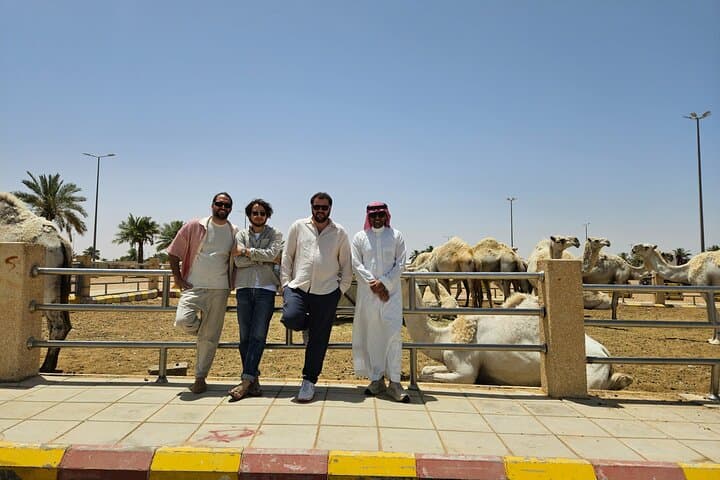
You arrive before the heat peaks, light on the horizon, and the camel market is already awake—rows of animals shifting, handlers calling prices, dust lifting in warm bands as the day begins.
Verified experiences and guided adventures in the surrounding area.
Operated by Mohammed · Unaizah, Al Qassim
You arrive before the heat peaks, light on the horizon, and the camel market is already awake—rows of animals shifting, handlers calling prices, dust lifting in warm bands as the day begins.
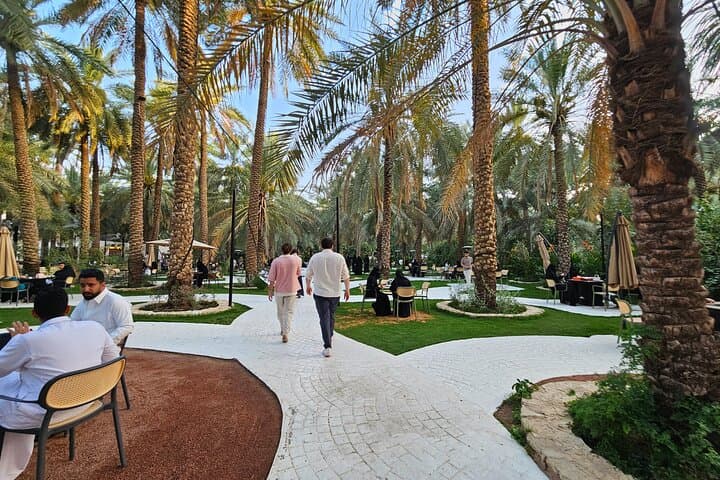
For centuries Qassim has been a crossroads for desert trade; the Buraydah/Unaizah corridor grew around camel auctions and date commerce that shaped local life. Geologically the region is flat sandy plain with oases that supported the palm groves—Jaddat Alnakheel is a modern expression of that agricultural heritage where palms stand like neighborhood markers and cafes cluster in their shade.
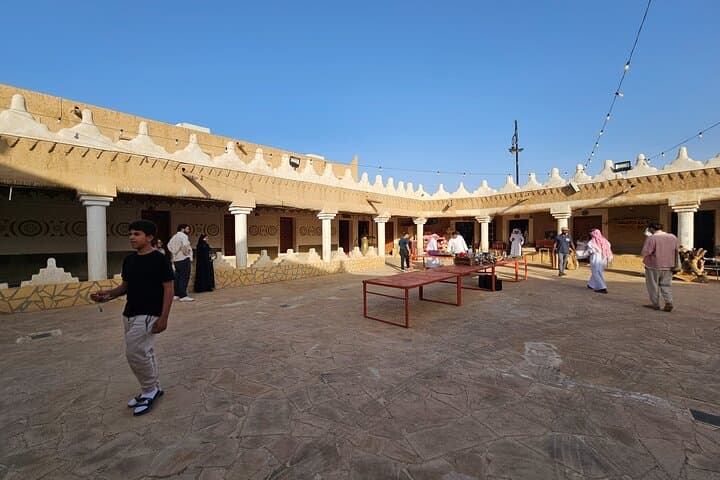
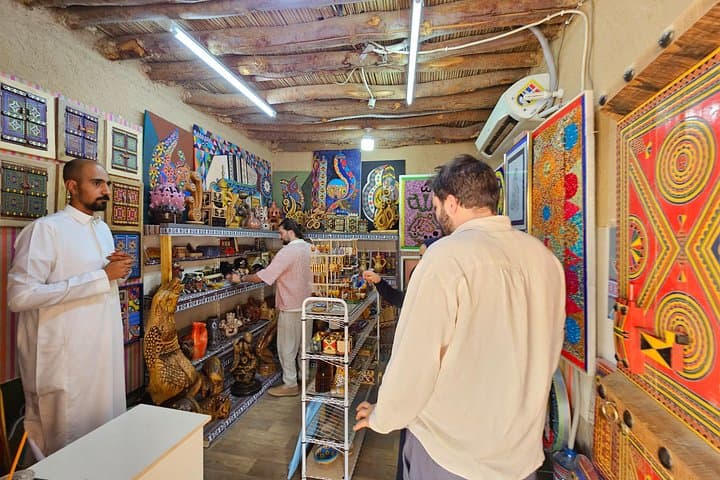
The itinerary reads like a local primer: the camel market (one of the region's largest and oldest auction sites), the expansive dates souq where varieties are displayed and sampled, Albassam Heritage House in Unaizah with its crafts and antiques, and an evening among palms and coffee at Jaddat Alnakheel. Culture here is direct—bargaining, hospitality over tea, and handcrafts rooted in tribal and agrarian traditions.
Practical guidance: bring sun protection, loose modest clothing, and comfortable shoes for market pavements and dusty lots. Carry cash for small purchases and be prepared to negotiate politely; photography of individuals sometimes requires permission. The tour runs 8–10 hours, so hydrate regularly and use the included private transport to move between spread-out sites. If you want quieter photos, ask to arrive at the earliest market hours when auctions still hum and light is best.
This is a day of sensory details—clay and leather, palm sugar sweetness, and camels that pace like patient old roads—paired with accessible logistics for first-time visitors.
easy.
8–10 hours.
Suitable for anyone comfortable with a full day of walking and standing; minimal exertion beyond market terrain.
The private tour runs approximately 8–10 hours (480–600 minutes) and includes transport between sites.
Snacks, coffee and tea are included; full meals at Jaddat Alnakheel are available at your own expense.
Yes—infant seats are available and the itinerary is described as easy, but keep children close around animals and crowded markets.
Guides are available in English or Arabic, provided in person as part of the tour.
The camel auction tradition in Qassim dates back roughly 300 years and helped establish the region as a trading hub between inland tribes and caravan routes.
Palm agriculture and market waste management are local concerns; visitors can support sustainability by minimizing single-use plastics and purchasing from certified local producers.
Mohammed operates guided outdoor trips and adventures with an emphasis on safety, stewardship, and memorable experiences.
You arrive before the heat peaks, light on the horizon, and the camel market is already awake—rows of animals shifting, handlers calling prices, dust lifting in warm bands as the day begins.
You arrive before the heat peaks, light on the horizon, and the camel market is already awake—rows of animals shifting, handlers calling prices, dust lifting in warm bands as the day begins.
For centuries Qassim has been a crossroads for desert trade; the Buraydah/Unaizah corridor grew around camel auctions and date commerce that shaped local life. Geologically the region is flat sandy plain with oases that supported the palm groves—Jaddat Alnakheel is a modern expression of that agricultural heritage where palms stand like neighborhood markers and cafes cluster in their shade.
The itinerary reads like a local primer: the camel market (one of the region's largest and oldest auction sites), the expansive dates souq where varieties are displayed and sampled, Albassam Heritage House in Unaizah with its crafts and antiques, and an evening among palms and coffee at Jaddat Alnakheel. Culture here is direct—bargaining, hospitality over tea, and handcrafts rooted in tribal and agrarian traditions.
Practical guidance: bring sun protection, loose modest clothing, and comfortable shoes for market pavements and dusty lots. Carry cash for small purchases and be prepared to negotiate politely; photography of individuals sometimes requires permission. The tour runs 8–10 hours, so hydrate regularly and use the included private transport to move between spread-out sites. If you want quieter photos, ask to arrive at the earliest market hours when auctions still hum and light is best.
This is a day of sensory details—clay and leather, palm sugar sweetness, and camels that pace like patient old roads—paired with accessible logistics for first-time visitors.