THE ADVENTURE COLLECTIVE® · Independent discovery and booking for outdoor travel

Step into Abu Dhabi’s oldest stone building and follow the arc of Emirati life from pearl-diving days to modern cityhood. This concise guide explains what to expect at Qasr Al Hosn, practical visiting tips, and how to make the most of a one-hour cultural visit.
Step into Abu Dhabi’s oldest stone building and follow the arc of Emirati life from pearl-diving days to modern cityhood. This concise guide explains what to expect at Qasr Al Hosn, practical visiting tips, and how to make the most of a one-hour cultural visit.
A low sun throws long shadows across limestone walls as visitors step through the narrow gate of Qasr Al Hosn. The fort’s compact courtyard hums with the measured cadence of guided tours, traditional music, and the soft scrape of demonstrators working with textiles and metal. A Gulf breeze threads through date palms nearby, nudging the city’s modern skyline into the view beyond the fort’s ramparts.
Verified experiences and guided adventures in the surrounding area.
Operated by holidayys.com · Abu Dhabi, Abu Dhabi
A low sun throws long shadows across limestone walls as visitors step through the narrow gate of Qasr Al Hosn. The fort’s compact courtyard hums with the measured cadence of guided tours, traditional music, and the soft scrape of demonstrators working with textiles and metal. A Gulf breeze threads through date palms nearby, nudging the city’s modern skyline into the view beyond the fort’s ramparts.
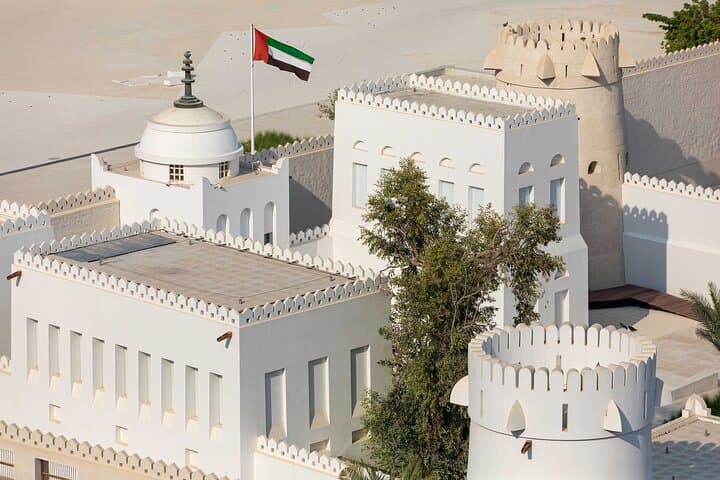
Qasr Al Hosn began as a 18th-century watchtower guarding a freshwater well and grew into the stone heart of Abu Dhabi’s ruling family. The site chronicles the emirate’s shift from pearl diving and trading post to petroleum wealth—exhibits display traditional garments, household objects, and archival photos that outline daily life before oil. Architecturally, the fort is straightforward: thick gypsum-and-limestone walls, simple chambers, and restored watchtowers that reveal construction techniques suited to a coastal desert climate.
For visitors, the experience mixes short exhibits with live demonstrations and periodic workshops on crafts and music. Expect clear English signage and a one-hour recommended visit, though hands-on sessions can lengthen that. Wear breathable clothes, bring sun protection, and plan a morning or late-afternoon slot to avoid peak heat. Photography is generally allowed but be respectful during performances and inside certain galleries. The site is compact and accessible for most fitness levels; the path surfaces are paved but include a few narrow staircases.
Practical tips: book mobile tickets in advance to guarantee entry, check the events schedule for live performances, and combine the visit with a nearby museum or the Al Hosn cultural precinct for a fuller half-day in downtown Abu Dhabi.
easy.
1 hour.
Suitable for all fitness levels; brief standing and short stair sections.
The standard visit is about one hour; add time for workshops or temporary exhibitions if you plan to attend them.
Tickets are mobile-friendly and can be purchased ahead of time; booking helps secure a preferred entry time.
Most ground‑floor galleries and outdoor courtyards are accessible, but some restored towers have stairs—check with staff for specifics.
Yes, signage and many guided elements are offered in English; check the schedule for timed performances and workshops.
Originally built around a freshwater well and watchtower, Qasr Al Hosn evolved into the ruling family’s residence and administrative core, reflecting Abu Dhabi’s pre‑oil civic life.
Restoration follows traditional materials and techniques to preserve the fort’s fabric; visitors are encouraged to minimize waste and follow signage to protect exhibits.
holidayys.com operates guided outdoor trips and adventures with an emphasis on safety, stewardship, and memorable experiences.

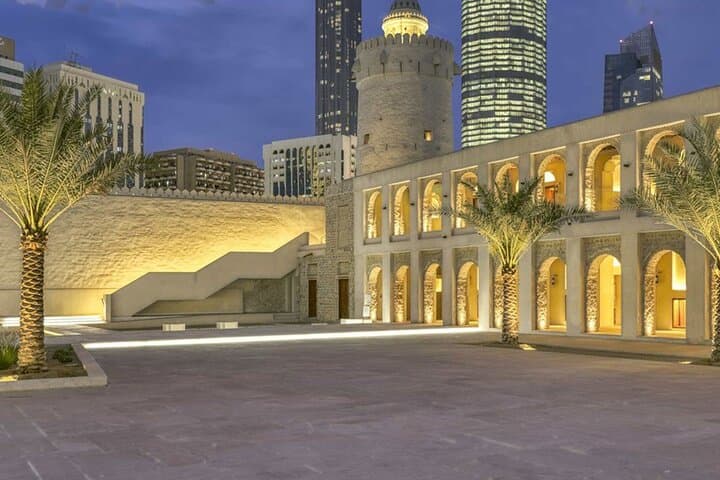

A low sun throws long shadows across limestone walls as visitors step through the narrow gate of Qasr Al Hosn. The fort’s compact courtyard hums with the measured cadence of guided tours, traditional music, and the soft scrape of demonstrators working with textiles and metal. A Gulf breeze threads through date palms nearby, nudging the city’s modern skyline into the view beyond the fort’s ramparts.
A low sun throws long shadows across limestone walls as visitors step through the narrow gate of Qasr Al Hosn. The fort’s compact courtyard hums with the measured cadence of guided tours, traditional music, and the soft scrape of demonstrators working with textiles and metal. A Gulf breeze threads through date palms nearby, nudging the city’s modern skyline into the view beyond the fort’s ramparts.
Qasr Al Hosn began as a 18th-century watchtower guarding a freshwater well and grew into the stone heart of Abu Dhabi’s ruling family. The site chronicles the emirate’s shift from pearl diving and trading post to petroleum wealth—exhibits display traditional garments, household objects, and archival photos that outline daily life before oil. Architecturally, the fort is straightforward: thick gypsum-and-limestone walls, simple chambers, and restored watchtowers that reveal construction techniques suited to a coastal desert climate.
For visitors, the experience mixes short exhibits with live demonstrations and periodic workshops on crafts and music. Expect clear English signage and a one-hour recommended visit, though hands-on sessions can lengthen that. Wear breathable clothes, bring sun protection, and plan a morning or late-afternoon slot to avoid peak heat. Photography is generally allowed but be respectful during performances and inside certain galleries. The site is compact and accessible for most fitness levels; the path surfaces are paved but include a few narrow staircases.
Practical tips: book mobile tickets in advance to guarantee entry, check the events schedule for live performances, and combine the visit with a nearby museum or the Al Hosn cultural precinct for a fuller half-day in downtown Abu Dhabi.